
On Sept. 25, a San Mateo Union High School District (SMUHSD) board meeting reviewed whether Career Technical Education (CTE) classes adequately prepare students for careers in skilled trades. The discussion referenced a July 8 San Mateo Grand Jury report that said CTE classes in the district focus more on preparing students for four-year universities than for direct entry into the workforce.
Burlingame currently offers eight CTE classes, the most of any school in the district except Mills High School. Although many students do head to university after graduation, Assistant Principal Aimee Malcolm said Burlingame’s CTE classes are designed to prepare students for careers in skilled trades.
“The purpose of CTE classes is to get students prepared for industry-level careers,” Malcom said. “Essentially, we want to make sure that students have the knowledge and skill set to go into technical vocational careers, and that they could be introduced to internships, apprenticeships, jobs, shadowing, and that they’re getting the content skills in the classroom.”
However, architecture and engineering teacher Anna Liu said fewer students are pursuing careers in skilled trades.
“I hear from a lot of our guest speakers that people in skilled trades, a lot of the older folks are starting to retire, and we haven’t trained enough people to replace them,” Liu said.
In her architecture and engineering classes, Liu invites guest speakers and organizes field trips to expose her students to potential job opportunities. Each year, students attend a field day where skilled trade professionals present their jobs. Liu said one goal of CTE classes is to prepare students to enter the workforce immediately after graduating high school.
“But the real purpose of CTE classes are to prepare students to enter the workforce after either high school or after college or some kind of technical training program,” Liu said. “So in CTE classes, we really focus on, first, helping students explore a variety of careers.”
-
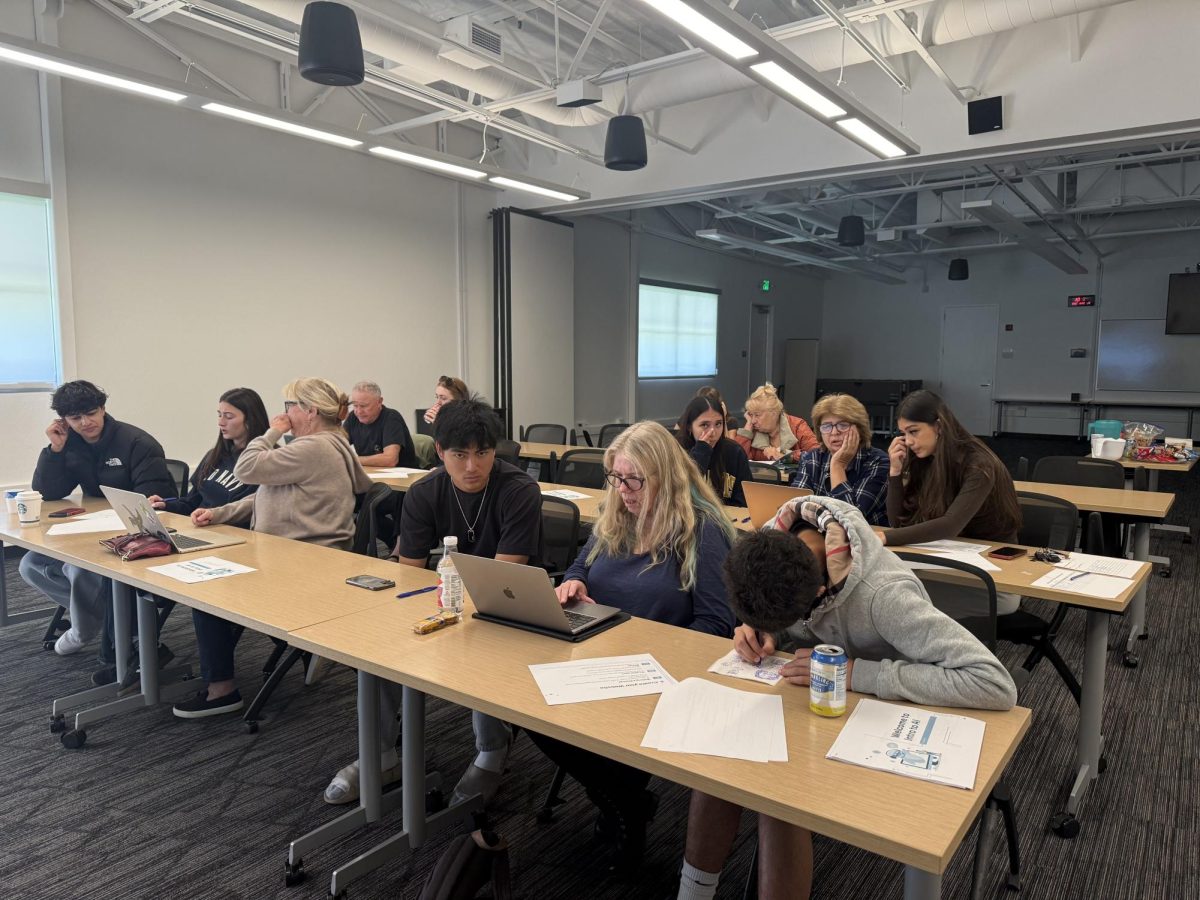
Students prepare cookies in culinary arts class.

-
Video and game design students analyze a movie during class.

Culinary arts and nutrition teacher Shannon Couch uses project-based learning to teach her students. With more experience in the classroom, she said, students can gain practical skills that can transfer to the workforce.
“One of the things I utilize is hands-on learning and project-based learning,” Couch said. “All the CTE teachers here at Burlingame do that; I think it’s really valuable. We’re really proud of it. And those are opportunities for students to gain real-world application skills and then also leadership skills.”
Couch noted that more students choose to attend university because of stigma, which reduces the number of people entering skilled trades.
“There’s a lot of societal pressure, maybe family expectations, and personally, I had that for my own children,” Couch said. “I also found myself falling into that narrative that they must go to college immediately and complete a degree to be successful. But my opinion is really evolving on that.”
Like Couch, video and game design teacher Henry Francisco recognizes the pressure on students to attend college. However, he said CTE classes provide skills that open a variety of pathways beyond a four-year university.
“College isn’t for everyone, you know,” Francisco said. “If that’s not their pathway, whether it’s college or entering the workforce right away, or a trade school, that’s what CTE is: learning skills. That’s why I go back to any CTE class, primarily [Arts, Media, and Entertainment], you’re learning a skill set that you can take anywhere.”
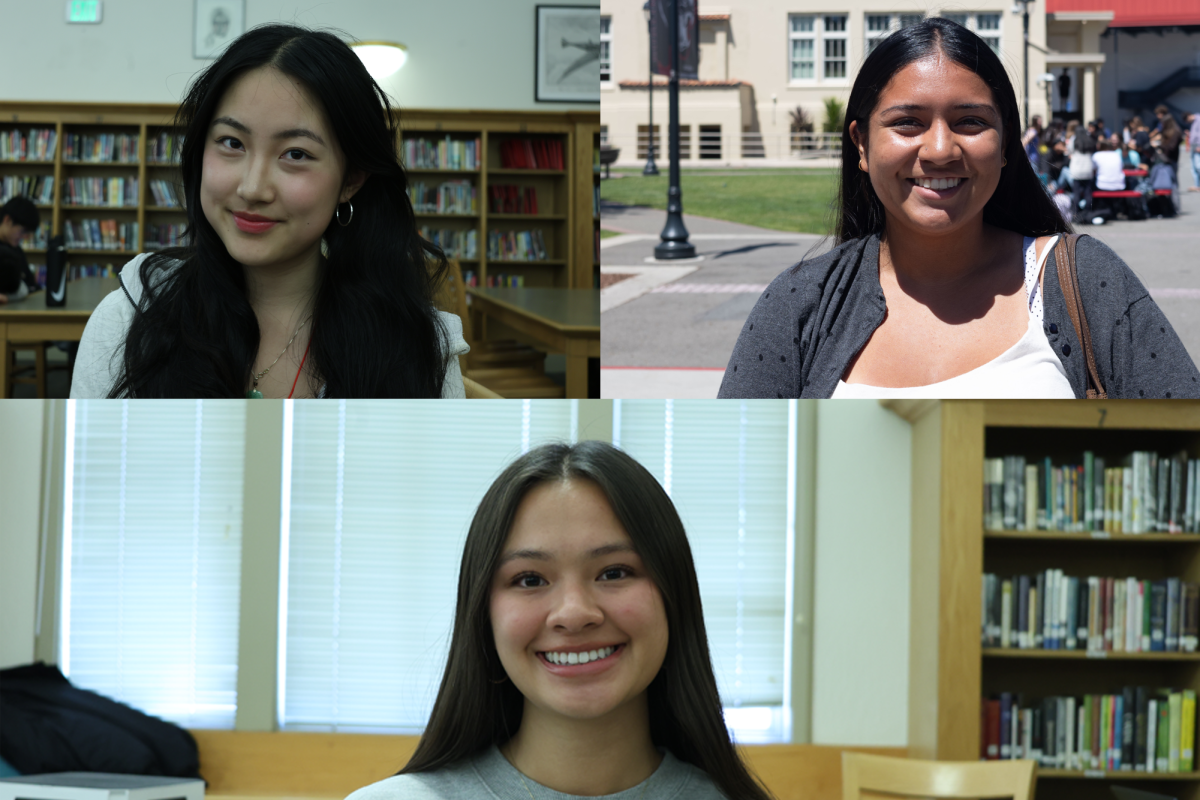
While stigma may influence students’ decision-making, senior Lucas Zhu said many attend university to build connections and broaden their knowledge, which they see as beneficial later in life.
“Besides really offering a technical and practical training, I think the more valuable parts of the university is to give students opportunities and chances to explore outside of their K-12 education,” Zhu said. “It really offers the platforms for the students to have a broader view of the world and society, and it just gives a lot of chance for students to make connections that are really important and valuable in future of their lives.”
Senior Noah Woo, who is currently enrolled in Architectural Design 2, shares that view. Since he hopes to start an architecture firm in the future, he said, university serves as a stepping stone to expand his network and support his career.
“I would like to start my own architecture firm in maybe the Chicago or San Francisco area. And to do that, I would probably have to do a degree, which I believe architecture two can help me with, to get into college that can provide me with the degree to start from,” Woo said.
Over the past year, Couch identified about 700 Burlingame alumni and asked whether they found college beneficial. Overall, many reported both positives and negatives.
“The responses have been really interesting and informative,” Couch said, “A lot of the patterns that I see is that there are benefits to both, and that you should be open, and that even if you do go to college, you might find yourself in a situation where you don’t find a job, your dream job, or you’re underemployed.”
In the last 15 years, the district has introduced multiple new CTE classes. The results of these classes are still uncertain, but the district is working to track how many students continue in their field after high school, according to Malcolm.
“At this point they said it’s a data point that they have a hard time collecting, but that they are trying to come up with plans to determine how many students have continued in that particular field or industry of study post high school,” Malcolm said.
At Burlingame, taking a CTE class is required to graduate. For this reason, Woo said some students may take the classes only to meet the requirements rather than truly taking advantage of the experience.
“In general, it’s more of a way to fulfill credits, instead of actually trying to find out what you really want to do,” Woo said.
Ultimately, Francisco said students who take CTE classes learn real skills applicable to many industries. He added that they may not always realize how many job opportunities are made available by taking these classes.
“I would advocate that students take these classes because they’re learning real-time skills, tangible skills that they can take into the workplace,” Francisco said. “Whatever industry you are getting into, arts, media, entertainment industry, … someone needs a graphic designer, someone needs a person to create a flyer, a poster.”