A balancing act


Girls’ volleyball is one of Burlingame’s most competitive sports. Across three teams, there are only 45 roster spots, while more than 70 athletes typically try out every year. The program’s competitive nature leads many prospective players to search for ways to improve their chances. Head coach Hannah Korslund said many players compete in club volleyball during the offseason to train for the school season. While club experience isn’t required to make the team, Korslund said it helps players prepare for the intensity of tryouts.
“The program’s very competitive,” Korslund said. “So girls that are not playing as much and who are not playing at a high level in [club teams] and are playing only three or four months out of the year have a harder time being successful at tryouts.”
This trend isn’t exclusive to volleyball. Club sports are becoming increasingly important in tryouts for many Burlingame teams.
“Club sports can be a positive or a help for it because [the athlete] has been playing for a long time. Maybe they have skills and experiences others may not have,” Athletic Director John Philipopoulos said. “Coaches want to win. They want to have the best players on their team, and they’re going to make those choices based on skill level.”
Junior Maya Siu, said basketball players can benefit from practicing in the offseason through private organizations.
“It’s necessary to establish the basic skills, like dribbling, passing and defense [in a club team] because it is sort of a short season with not a lot of practice time and we have a lot of games,” junior and girls’ basketball player Maya Siu said.
While it can help improve skills, senior and soccer player Sophie Glick said club sports can feel like a requirement for the girls’ soccer team.
“If you play club soccer, then you have a leg up,” Glick said. “I don’t think there’s anyone on varsity that hasn’t played club soccer for a long time.”
Similarly, volleyball’s competitiveness can force players to commit to the sport at a young age just to have a chance to make the high school team, which Korslund said can be tough on younger players.
“It is a bummer that we cannot offer people a spot and the over-specialization of athletes is a bummer because it causes injuries and burnout in athletes at a young age,” head girls’ volleyball coach Hannah Korslund said. “The fact that athletes are being forced into club sports due to overcompetitiveness at a young age is unfortunate because they don’t try new things.”
According to an anonymous student-athlete,* one coach strongly encouraged players to take his private lessons at a local club program in the offseason, with retaliation if they didn’t comply.
“I definitely felt pressured to join his program because I was scared he wouldn’t favor me,” the source said. “And that ended up happening when he found out I was training with a different coach and he revoked my privileges and even has the right to kick me off the team.”
Philipopoulos said he would not support coaches offering incentives to players for offseason play.
“I’m not aware of coaches offering private lessons to athletes, but if I was, I would definitely take care of it,” Philipopoulos said. “I would most definitely call that a conflict of interest and would not be supportive of it.”
According to Korlsund, limited player capacity in Burlingame’s popular sports pushes out less-experienced or casual players, making tryouts even more competitive as those who do participate must perform at a higher level to be considered for the team.
“That’s really the biggest bummer. It’d be great if, for high school sports, a kid could come and say, I’d love to play volleyball. I’ve never played volleyball before, and they can make a team,” Korslund said, “But right now that’s not the reality of how many girls we have trying out.”
*This source was granted anonymity because of disciplinary consequences. For more information, read through the B’s anonymous policy.

Over 60 million children and teens play organized sports, but about 70% of them drop out by age 13, according to the American Academy of Pediatrics.
Club sports are a $40 billion industry, yet kids are dropping out of youth sports at high rates. This staggering statistic may be linked to the many negative aspects of club sports, including injuries, burnout, mental health struggles, time commitment, and financial burden.
Some athletes, including senior Payton Fong Heady, have experienced injuries from club sports that have significantly impacted their playing careers. Fong Heady began experiencing back pain while playing club basketball in eighth grade. After fracturing his back in January of his sophomore year, surgery kept him out of basketball until the beginning of his junior high school season in October.
“You see a lot of injuries playing club sports because you only focus on that one sport throughout the entire year,” Fong Heady said. “And I think that club sports don’t really give you an opportunity to rest.”
For senior Syum Mehra, a torn ACL in September 2024 kept him out of club soccer for over a year due to surgery, and it is now returning for his final high school season.
“It’s kind of trying to get my stamina back, because you spend like around two months just sitting there doing nothing, you gain weight, you just sort of lose yourself a little bit, because there’s nothing else that you can do,” Mehra said.
These injuries can lead to negative mental health effects, which athletes struggle with nationwide. A 2019 study found that about 35% of elite athletes have mental health concerns. The report also found that nearly one in 10 young athletes experience burnout, and up to 35% experience overtraining.
Fong Heady said he thinks the pressure to perform comes from himself and his desire to be the best player he can be. This in turn can derail his internal thoughts.
“Sometimes, if you don’t feel like you’re doing enough, or you feel you’re not doing good enough, then it kind of hinders your abilities while you’re playing in-game, and also impacts your mental health a lot, because you think you’re not as good as you should be,” Fong Heady said.
In addition to adding pressure on athletes, club sports can create a financial burden for families. According to the Aspen Institute’s latest parent survey, the average U.S. sports family spent $1,016 on their child’s primary sport in 2024, a 46% increase since 2019.
Part of the financial costs include travel commitment. Fong Heady said driving to and from practices, games, and other long-distance commutes is a central part of his club sport.
“You have to travel to Oakland, or you travel to San Jose, or even travel tournaments in Las Vegas or Reno where you have to travel really far, spend money on hotels and then also figure out how to get there you’re gonna fly or you’re gonna drive,” Fong Heady said.
With the cost of club sports rising, senior Syum Mehra’s club now charges around $4,000 to $5,000 per season. Mehra said that despite the price, his club doesn’t prioritize player development. He added that the rising costs limit opportunities for athletes who can’t afford these prices.
“In every sport, there’s gonna be great players who will never be heard of. There’s players who will never get the chance to be recognized,” Mehra said. “So I think that’s a big thing in our country as well, is that there may be a player who’s 10 times 100 times better than me, but can’t afford to play, so no one will ever see that.”
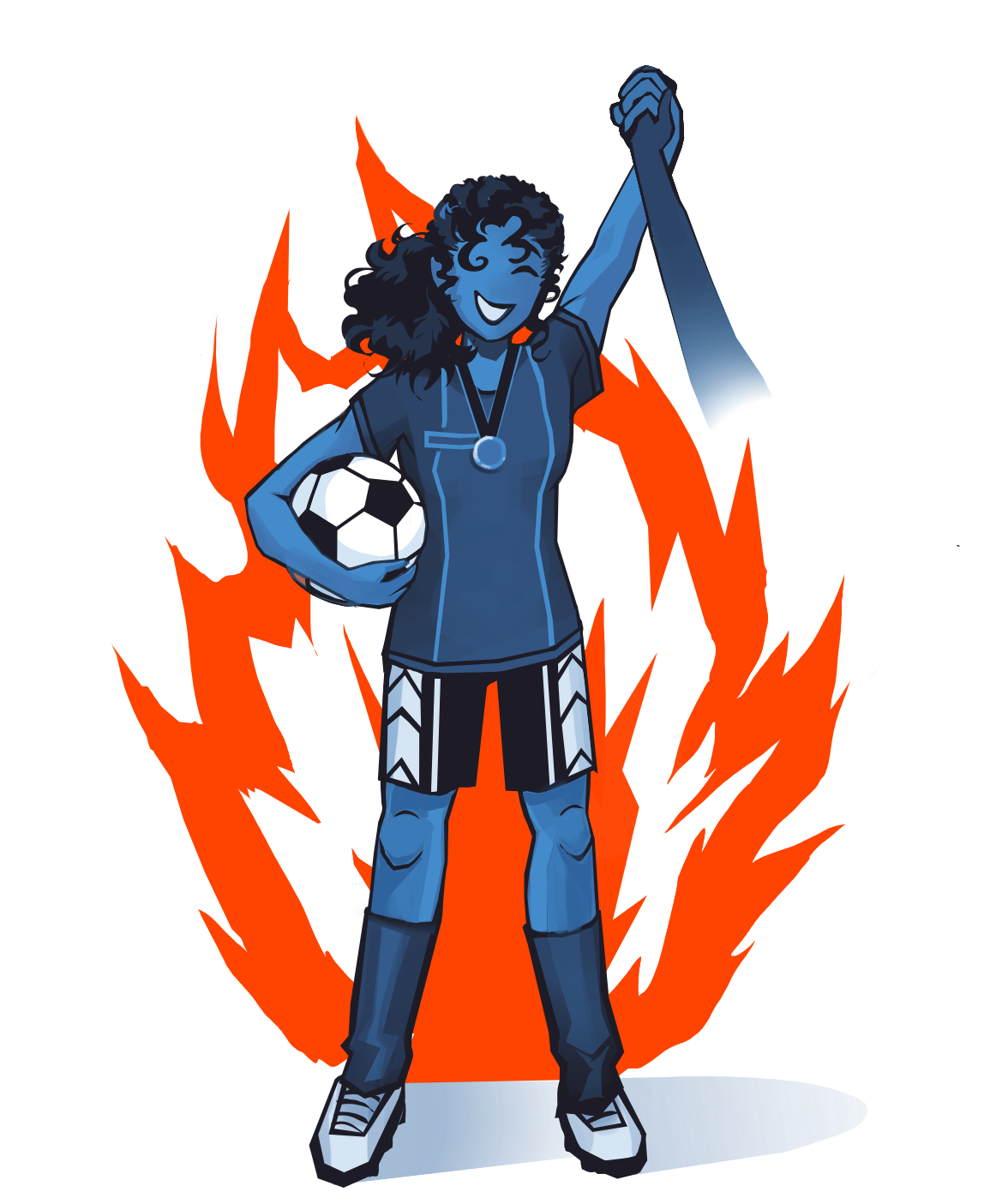
At nearly every lunch table, you will likely find at least one student with experience in club sports. Whether in club water polo, soccer, or basketball, these teams have helped shape students’ high school experiences, from learning a routine to building lasting friendships and a sense of community.
For senior Ellora Horan, who began playing club soccer in third grade, balancing soccer with her other activities has helped her build time management skills.
“I run track and cross country. It means that I go from practice to practice, so I need to manage my time better,” Horan said. “So I’ve built good habits because I don’t really have time to procrastinate. I just have to do my work then and there.”
Junior Hannah Goldberg, who has played club soccer since early elementary school, said that despite the pressure of club sports and the challenge of managing her time, working toward her goal of playing collegiate soccer has kept her motivated and excited to attend practice every day.
“Being surrounded by girls who have made it and they’re committed to these top teams, or, talking to coaches, getting experience and feedback from other coaches, just makes everything so real, and it makes you realize I can work hard and I can get there, and hopefully I’ll get to that,” Goldberg said. “It’s kind of inspiring. For me, it’s just motivational, that’s who I want to be. That’s what I need to work towards.”
While competing at a high level has been challenging, junior Lucas Carlson, who has played club water polo since middle school, said that the exercise and access to elite coaching are great benefits in club athletics.
“First of all, great exercise. If you’re really into water polo and want to get really good, really fast, club water polo has some of the best coaches,“ Carlson said.
Another factor that Goldberg said helps her avoid burnout is the soccer community and the friends she has made throughout the years.
“I love that because my soccer is so far away, my soccer friends are completely separate from my school friends, and I’ve created this whole other side of my friendships that I love,” Goldberg said. “When we hang out outside of school and see each other, it’s so fun because we update each other on our lives.”
Similarly, for sophomore Chase Cyb, club swimming may seem like an individual sport, but the community he has built at his club keeps him participating.
“The social aspect of, even at swim meets or events, being around those people just makes me a great person,” Cyb said.
Your donation will support the student journalists of Burlingame High School - CA. Your contribution will allow us to purchase equipment and cover our annual website hosting costs.