Signs of opportunity: Students and staff learn sign language


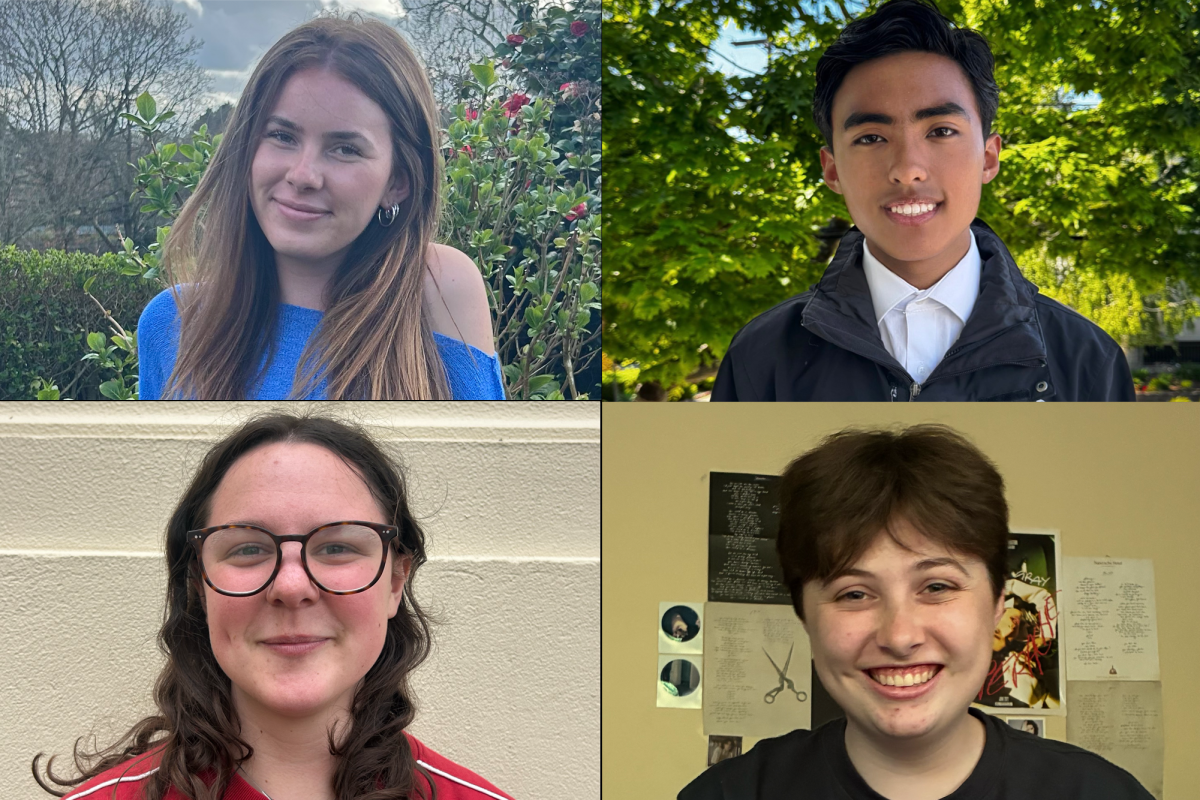
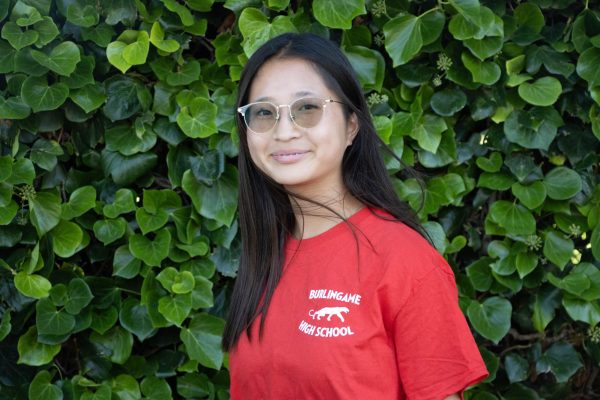
![Elizabeth Chilson learned sign language to communicate with a broader spectrum of people. “People find [sign language] not as important and don’t realize how many deaf or hard-of-hearing people are out there,” Chilson said.](https://theburlingameb.org/wp-content/uploads/2026/04/IMG_9880-1.jpg)
Sign language is a visual language primarily used by deaf or hard-of-hearing communities. According to the Commission on the Deaf and the Hard of Hearing, more than 500,000 people in the United States use sign language as their native language, with thousands of hearing individuals knowing it as well.
For students Elizabeth Chilson, Leyla Baghirova, and instructional aide Steve Meyer, sign language is more than a way to communicate.
Elizabeth Chilson
Junior Elizabeth Chilson, her decision to take American Sign Language (ASL) classes over the past two summers was to be able to communicate with a wider range of people, especially if she chooses to pursue a career in education.
By taking ASL through the College of San Mateo (CSM), Chilson was able to fulfill her language requirements for school.
“Someone had mentioned they took ASL, so I was really interested in that because I didn’t even know that was an option,” Chilson said.
Reflecting on a time she attended a deaf event for an assignment, Chilson said she appreciates how welcoming the community was.
“They were really excited that someone knew the language rather than being judgmental of what you didn’t know,” Chilson said. “They helped me learn more stuff.”
Chilson hopes to use her ASL skills to advocate for groups who cannot communicate vocally.
“There’s some stigma around the language because people find it not as important and don’t realize how many deaf or hard-of-hearing people are out there,” Chilson said.
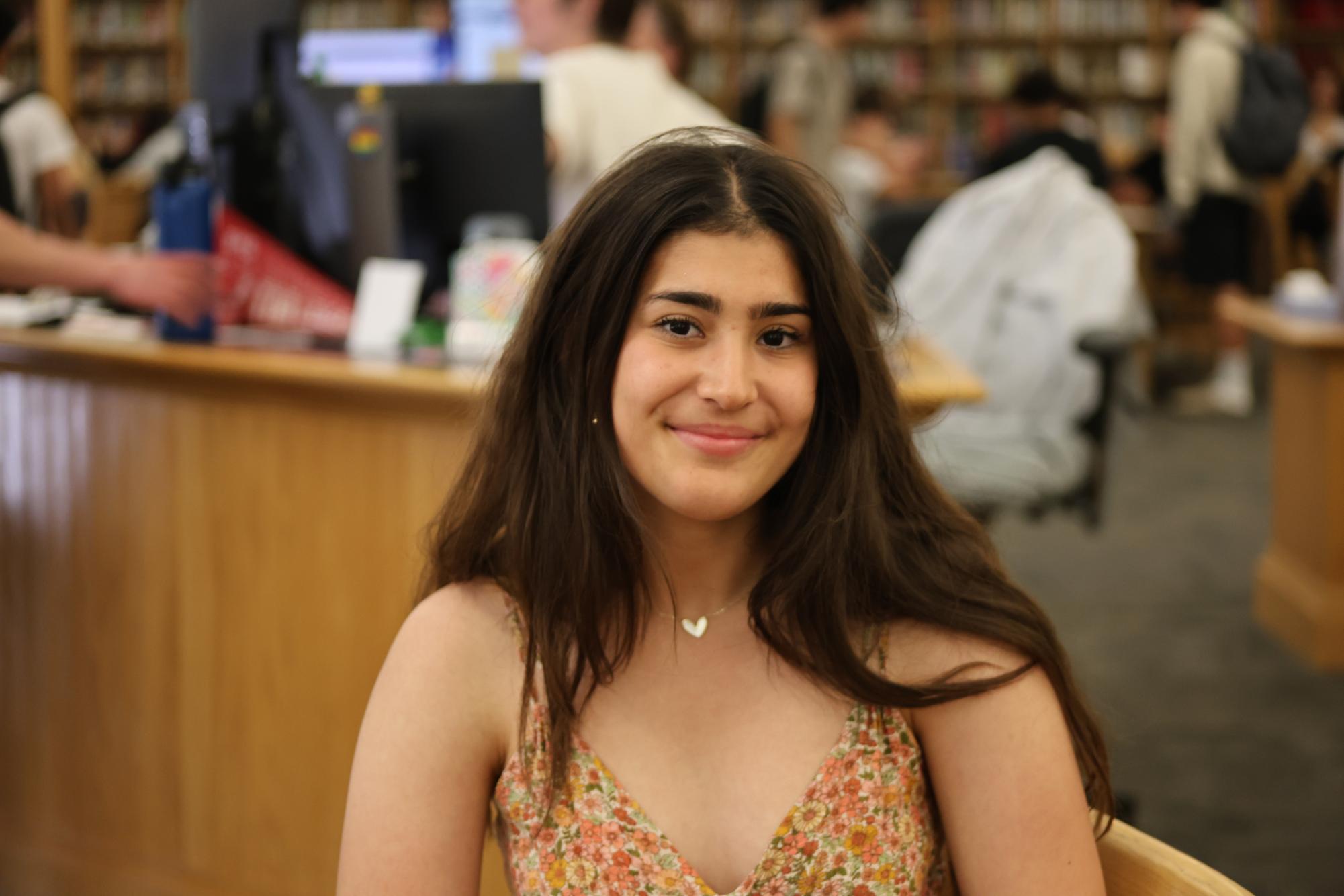
Senior Leyla Baghirova, who took the same CSM class as Chilson, started learning sign language last year.
“It’s a really cool language, and honestly, I don’t see that many people wanting to do it,” Baghirova said. “My dad speaks four languages, and I always thought it was cool to beat him.”
Since learning ASL, Baghirova has met several deaf individuals and been able to communicate with them.
“People that are deaf are kind of at a disadvantage for the rest of the world, so I feel it’s really cool to be able to learn and communicate with people,” Baghirova said. “One lady I met was really excited I was able to communicate with her through ASL.”
Though she is not currently enrolled in a class, Baghirova continues to practice on her own. For beginners, she recommends taking a class similar to the one she took at CSM, which immersed her in real-life scenarios that encouraged her to use ASL.
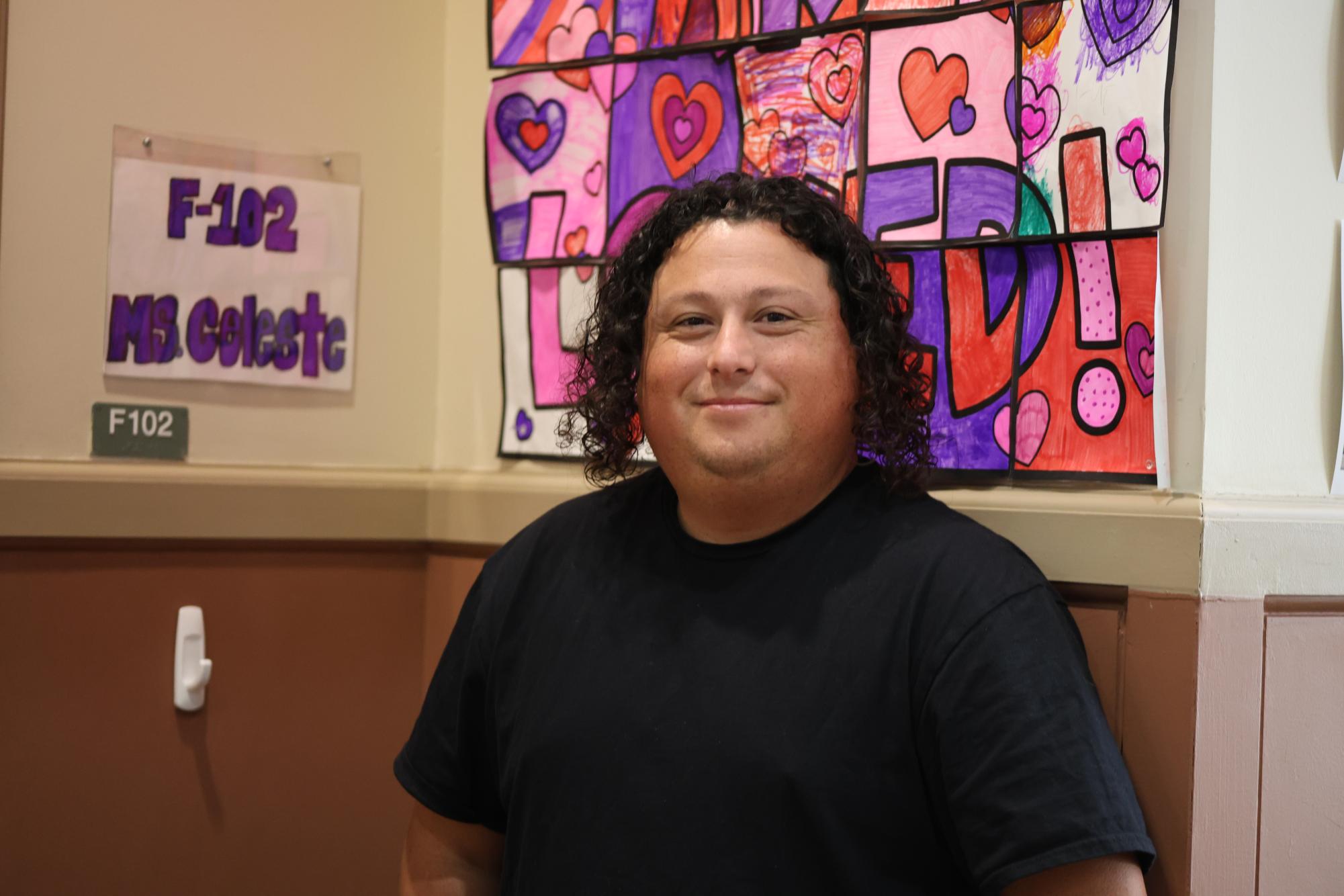
Steve Meyer, an instructional aide for Bay University, learned sign language as a child from his older sister, who is hard-of-hearing.
“If I wanted to talk to her, I had to learn sign language,” Meyer said. “I didn’t choose [to learn], but I love it. It’s like a gift.”
As an immigrant from Mexico, Meyer’s mother had to learn sign language as well as English. She used sign language to communicate with his sister, but his father struggled due to rougher hands from construction work. When Meyer was 13, his mother passed away, leaving him as the main interpreter for his sister.
His sister learned Signing Exact English (SEE) through a class at Lincoln Elementary designed for hard-of-hearing individuals, which differs from ASL. Meyer also grew up learning SEE, which helps him easily translate what others say in a precise moment.
“In SEE sign, they used all the words, even all the in-between words. ‘Am, and, the,’” Meyer said. “Whereas in ASL, they would say ‘Going store now.’ It’s like shorthand in a way.”
Beyond daily communication with his sister, Meyer’s sign language skills helped him get a job as a parent educator at 18. He used sign language with children who were hearing but non-verbal due to different disabilities, such as Rubinstein-Taybi syndrome or Down syndrome.
“When I was originally hired by the district, I was an interpreter for a kid named Riley, and I worked with him for a good six years at Mills and at [Bay University],” Meyer said. “I loved this class so much that I ended up staying here.”
Meyer said that while he does not use sign language as often in his current work, every few years, he can assist a student with sign language.
Your donation will support the student journalists of Burlingame High School - CA. Your contribution will allow us to purchase equipment and cover our annual website hosting costs.