El Camino Real renewal project set to begin in following months

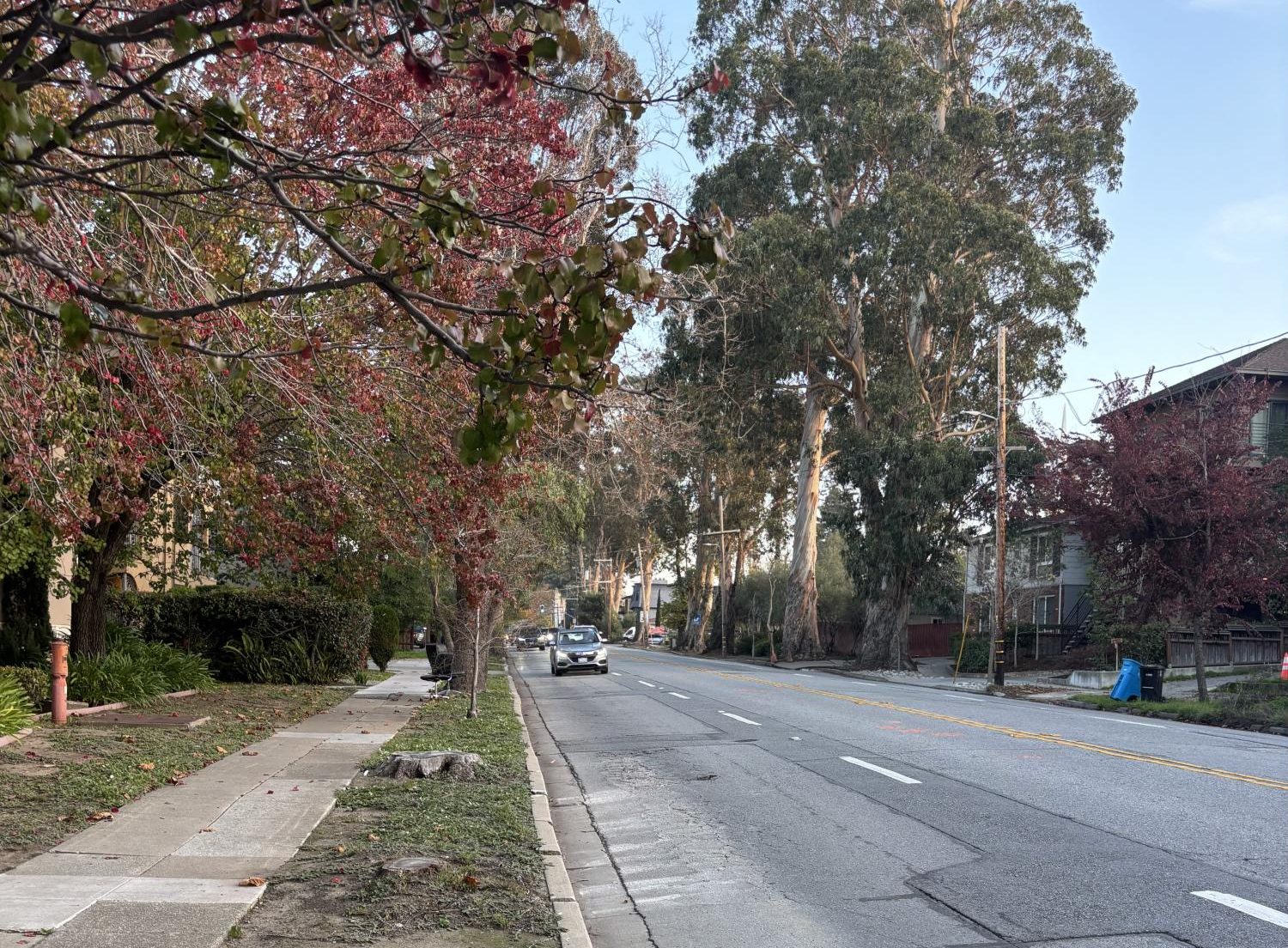
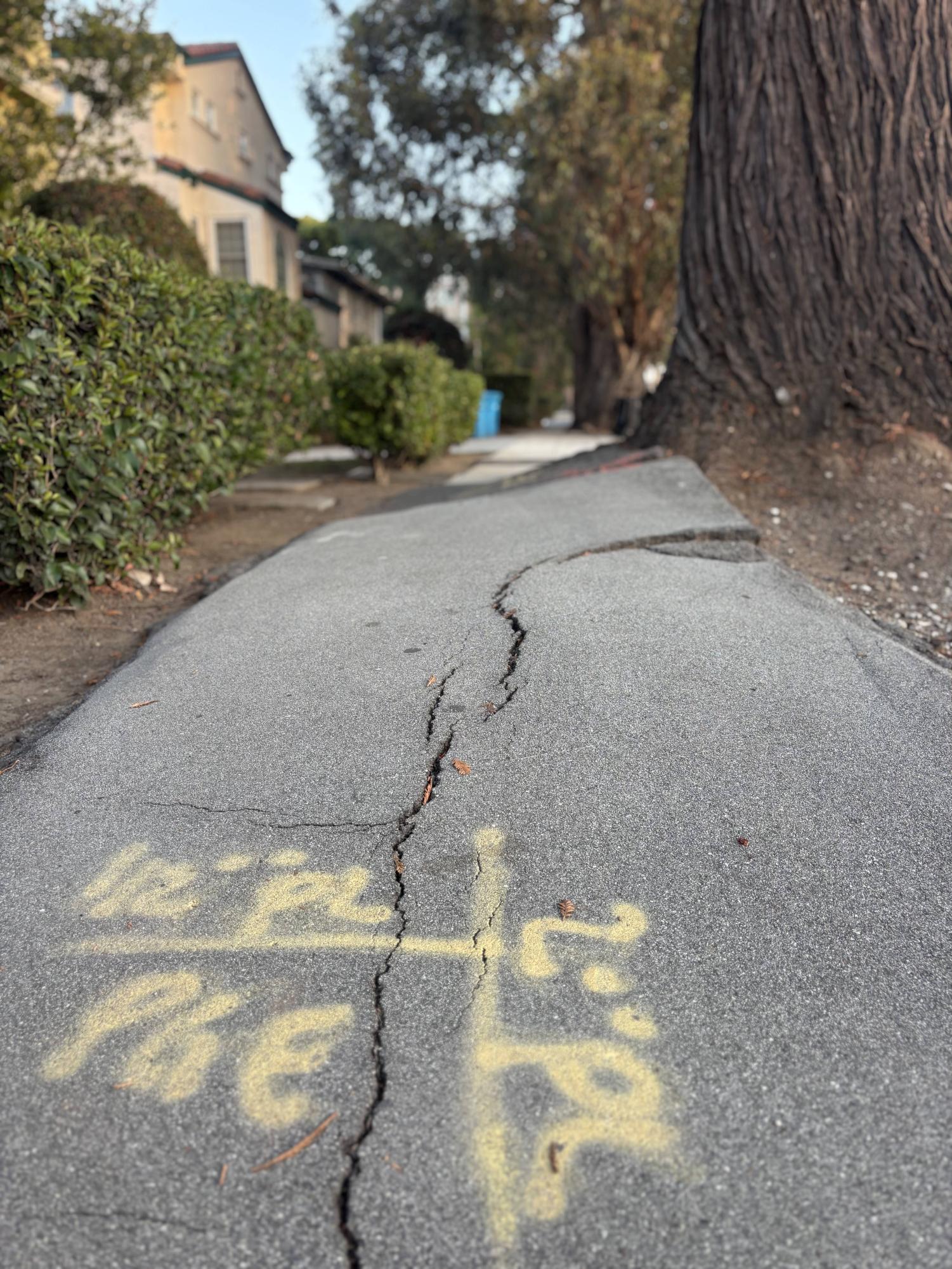
For years, El Camino Real in Burlingame has been marked by potholes, broken sidewalks, and occasional flooding. However, the road is also home to a historic tree grove, making it unlike any other in the county. In Burlingame, the trees have been a lasting problem because their roots interfere with crucial infrastructure. After years of negotiation between Caltrans, a State of California department that manages transportation, and the City of Burlingame, construction on the road is set to begin in December 2025 or January 2026 and end in fall of 2029, contingent upon Pacific Gas & Electric Company (PG&E).
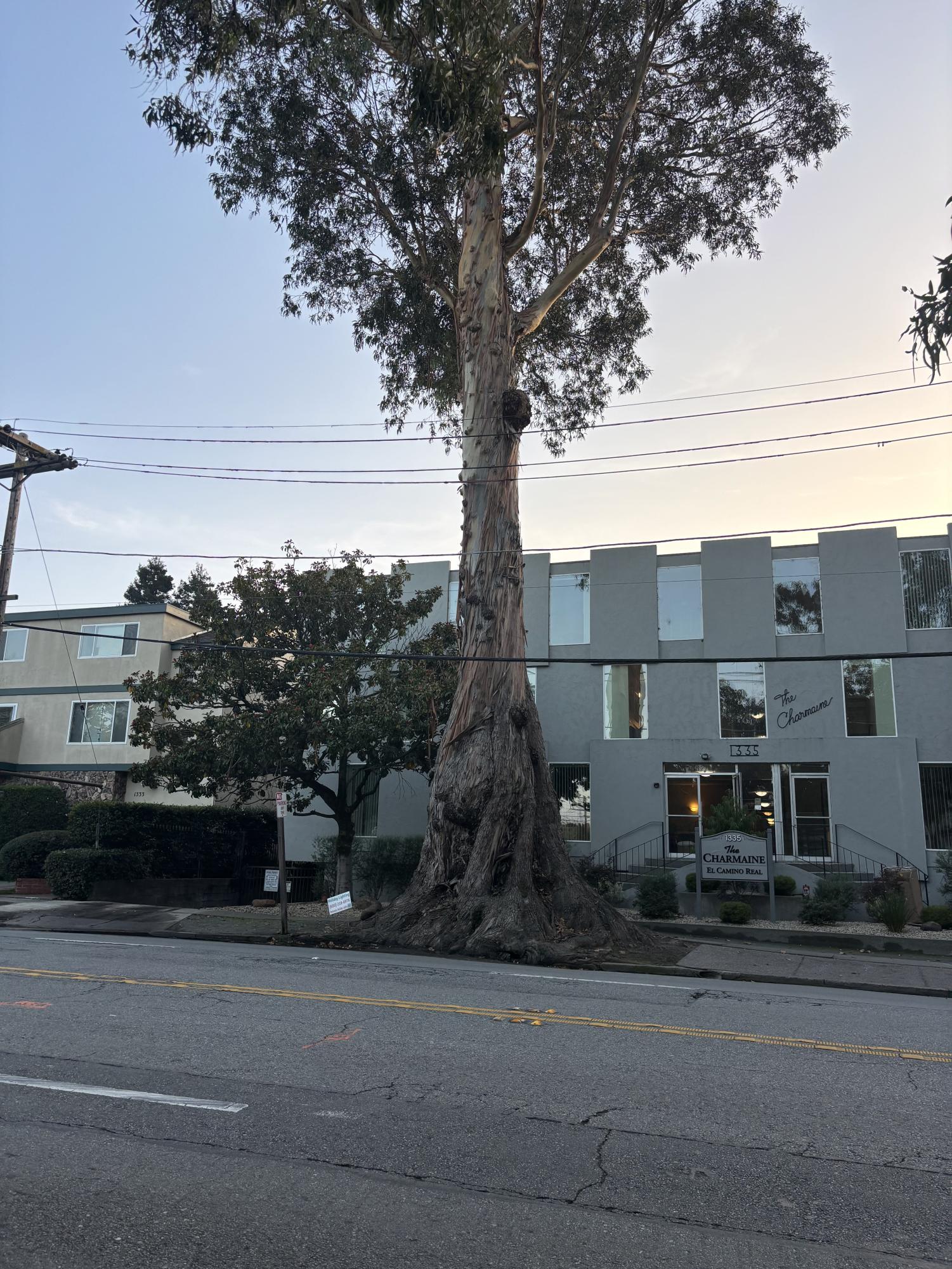
The first stage of the plan will begin with tree removal and road closures on the northbound section of El Camino Real, drainage work on the southbound, and pothole closures. This stage is expected to last until May 2026. In stages two and three, the city plans to pave, replant trees, and fix sidewalks on the northbound lanes until summer 2027. On the southbound lanes, paving, tree removal, and tree replanting will last until winter of 2028. The full plan includes six stages.
Construction will leave at least one lane open in each direction and result in a visible change after a few hundred trees are removed. However, as part of the compromise, the city plans to replant these trees and preserve the grove as much as possible, bypassing Caltrans’ typical regulations on how far apart trees must be planted.
“El Camino Real has not really been repaved, like a real paving job, where they really go down far, couple feet, since it was initially paved in 1913,” Historical Society President Jennifer Pfaff said. “That’s a long time. This will make for some unstable trees, because we’re going to have to be possibly wrecking the integrity of the root system. So we’re going to have to take out probably more trees than people were anticipating, but we will replace the same types, and we’re going to do them a little closer together than typically California allows.”
Before working with the city, Caltrans proposed widening El Camino Real to address the extensive road issues, a plan that would force even more trees to be removed. Pfaff, who has advocated for maintaining the historic grove since the 1990s and served on a task force for the new project, said she did not support this older plan.
“As soon as you insert a lane or two, an extra anything, there’s just no room for trees, no matter what kind,” Pfaff said. “And so I think what the scariest part of that phase was that we were going to get the stretch of a couple of blocks in a major area, which would not have any trees at all. And so I think that really stunned a lot of people.”
The project is estimated to cost around $130 million and also focuses on fixing drainage issues, upgrading crosswalks, and improving visibility. According to Burlingame Public Works Director Syed Murtuza, this type of project hasn’t been done in Burlingame in the last 100 years. Even though it is inconvenient, he said it will be worth it in the long run.
“But given the scope of work, it’s going to be inconvenient, and it’s going to be destructive, but they’re trying to get it done as fast as they can, so that it will all be done,” Murtaza said. “… You will have safer pedestrian crossings, sidewalks, and all of that.”
Another aspect of the project is moving the overhead power lines underground so they no longer interfere with the trees. The city also plans to plant a smaller species of eucalyptus that is less disruptive to the roads.
“Right now, the sidewalks are taken over by the trees,” Murtaza said. “The new trees will be not as big as the existing are. So there’s going to be a lot of room and lot of pedestrian safety crossings that currently is lacking.”
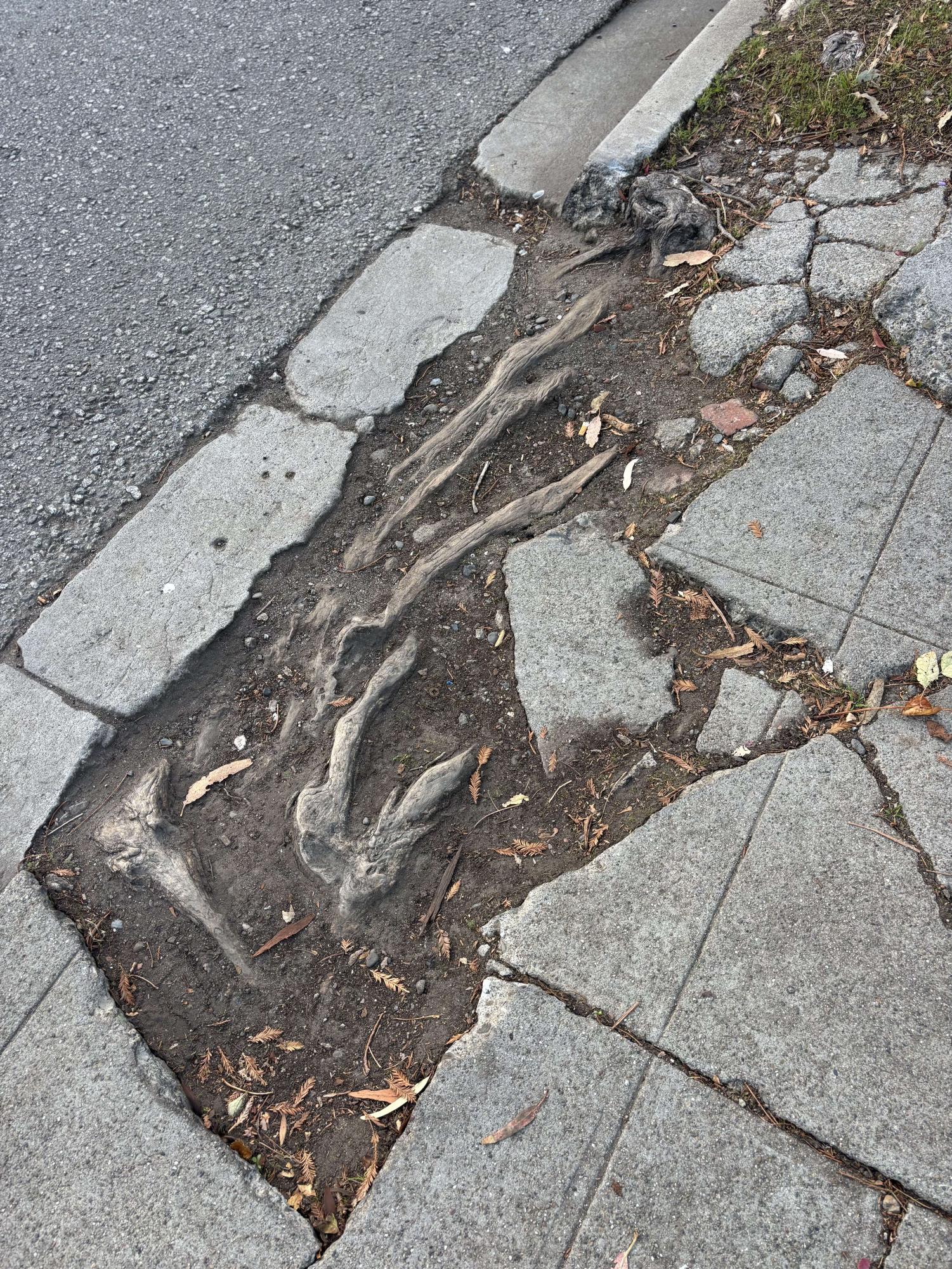
For junior Hope DiLaura, a member of the Burlingame Youth Advisory Committee, the issues with the infrastructure on El Camino are evident when she uses the road to travel from one place to another.
“Every morning I drive down El Camino, and it’s usually pretty bumpy, especially in the rain, there are these huge, massive puddles and big dips on the side,” DiLaura said.
DiLaura said she enjoys the trees and appreciates their historical background, but recognizes the safety concerns.
“It’s definitely a little sad because a lot of those trees have a pretty historical background,” DiLaura said. “They’ve been standing for a while, but at the same time, if they become a safety hazard, that’s necessary, because you can’t have tree branches blocking the middle of El Camino.”
With a similar view, Pfaff said that while she will be upset about the loss of the trees due to their historical significance, she knows this was one of the best plans the city could reach.
“Because for a while it’s not going to look good. So yeah, about that, I am devastated. Now, the good news is this: having done this for… close to 30 years when I count it all up, when all is said and done, this was the best we could get,” Pfaff said. “I think it’s a good plan. It gets a safer roadway.”
For Murtuza, balancing the needs of the city and Caltrans while working on the project taught him how to persist and meet the demands of different people.
“The most difficult aspect of working on this project, it’s getting people to agree to something that needs to be,” Murtuza said. “It’s not going to be 100% perfect, but it’s something going to be a lot better, significantly better than you know that it is, and you need to address that safety and then working with people to find ways to address people’s concern, outside of the box, come up solutions that meet people’s interest and bring people together, and make hard choices.”
Your donation will support the student journalists of Burlingame High School - CA. Your contribution will allow us to purchase equipment and cover our annual website hosting costs.