


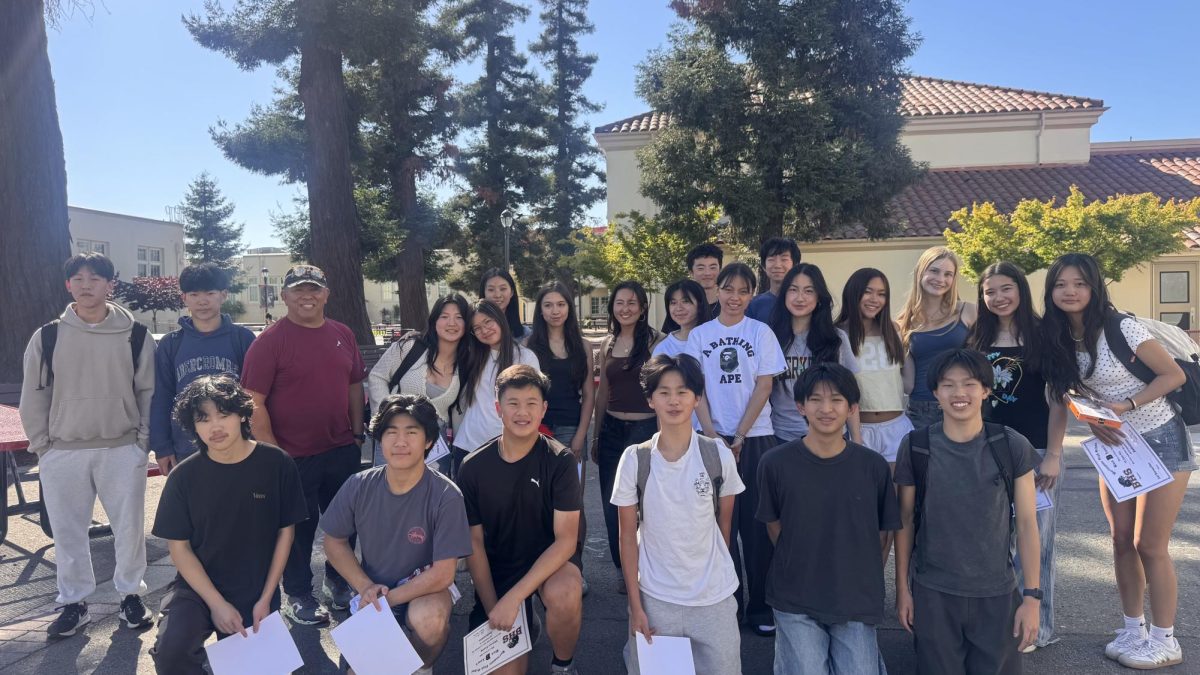

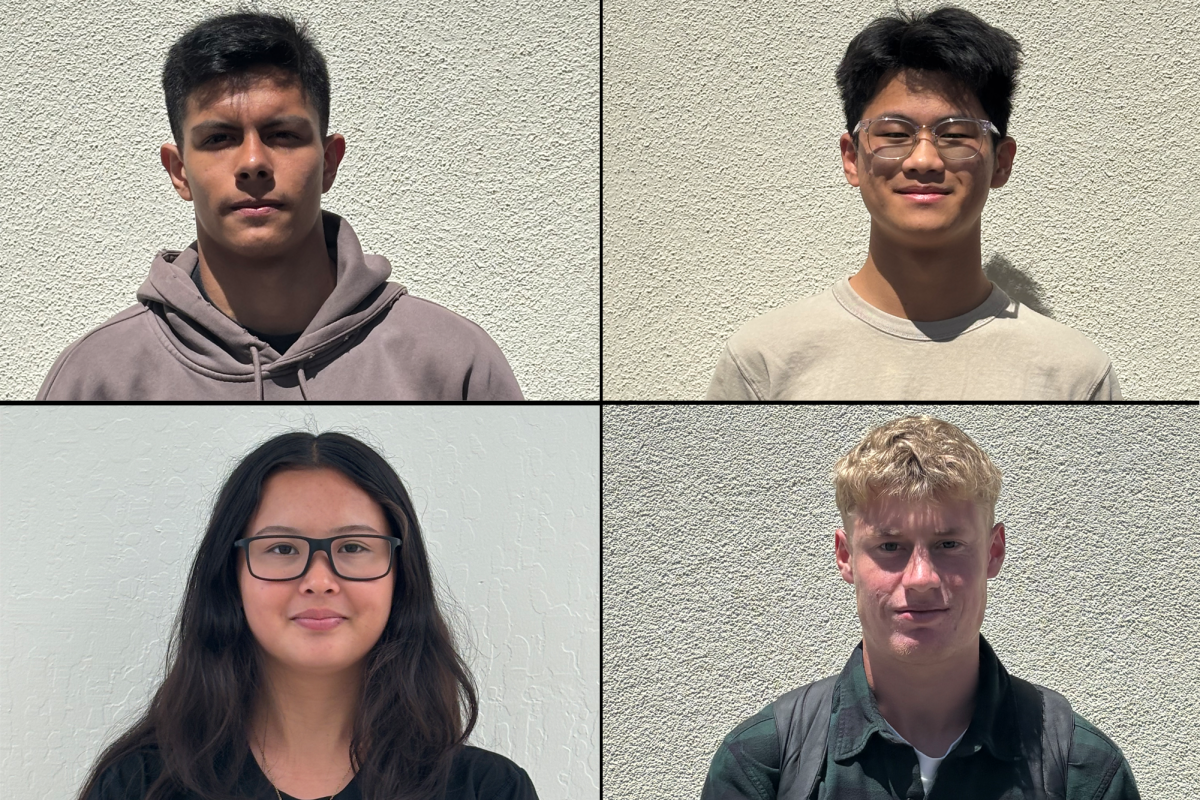
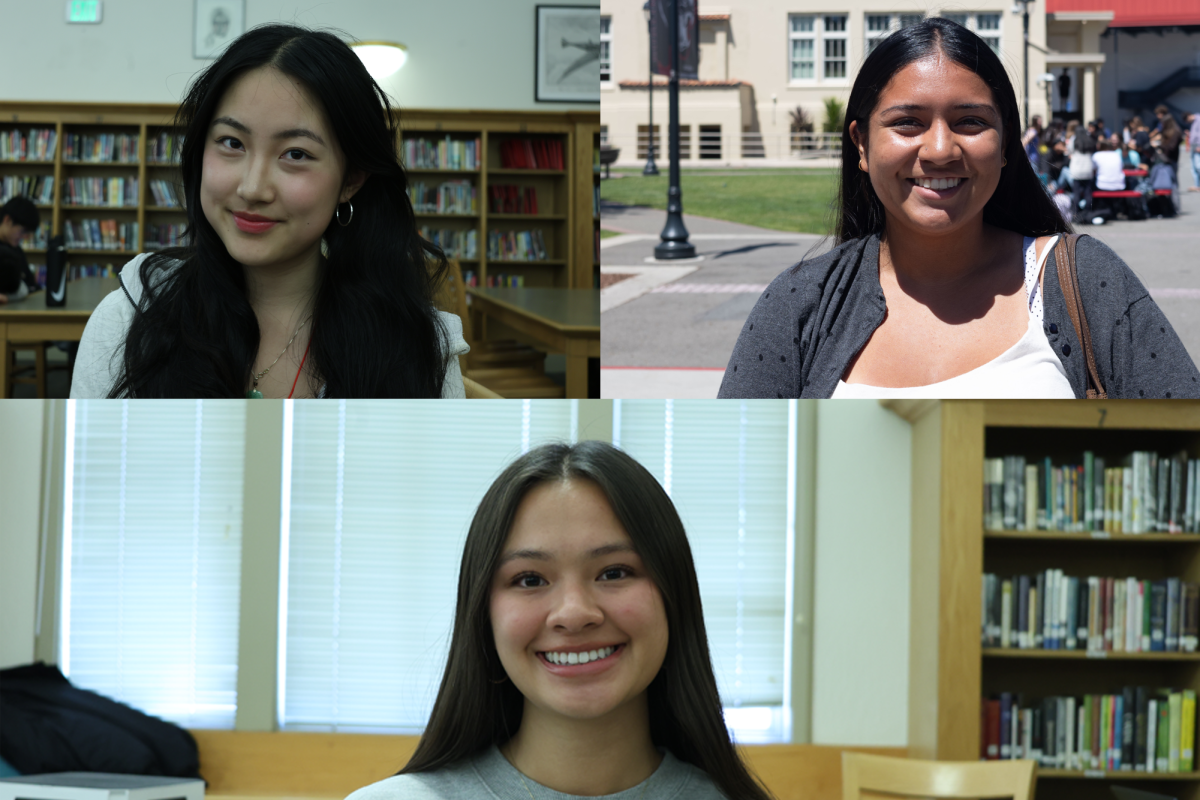
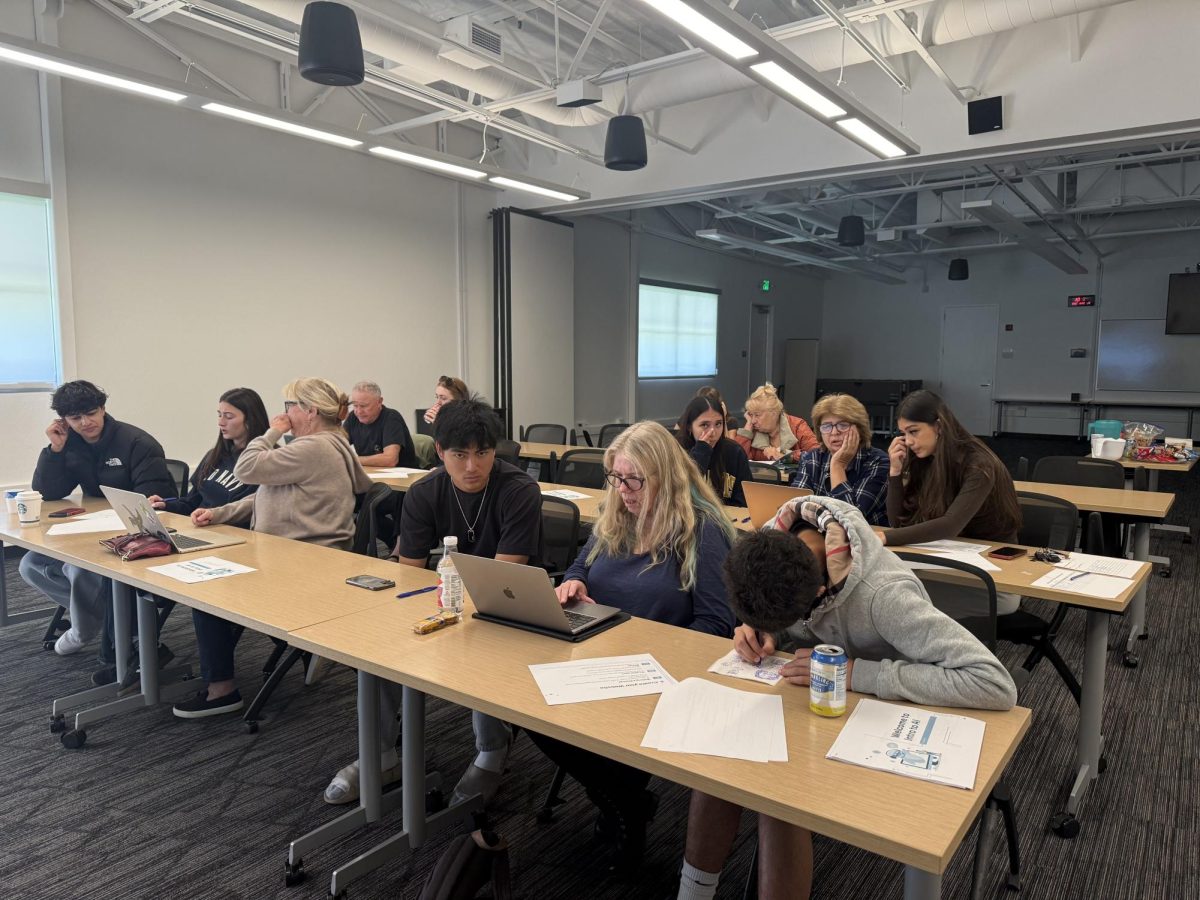








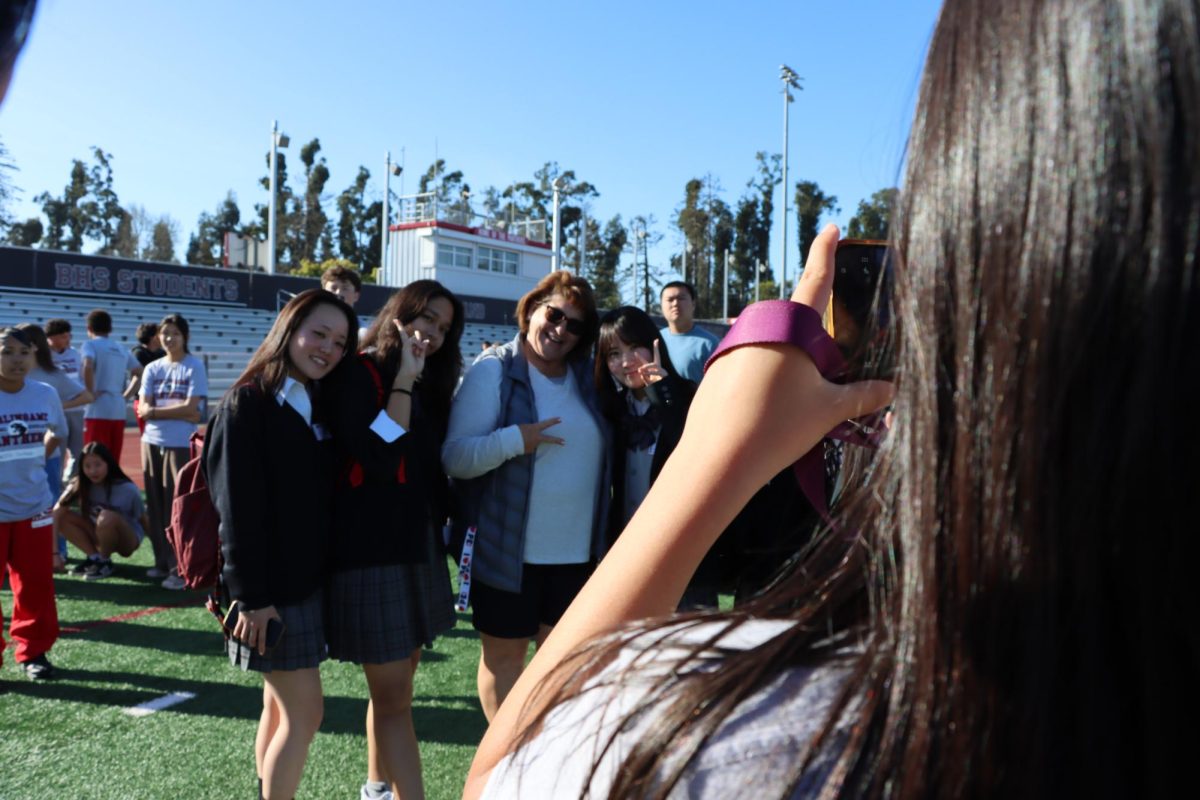

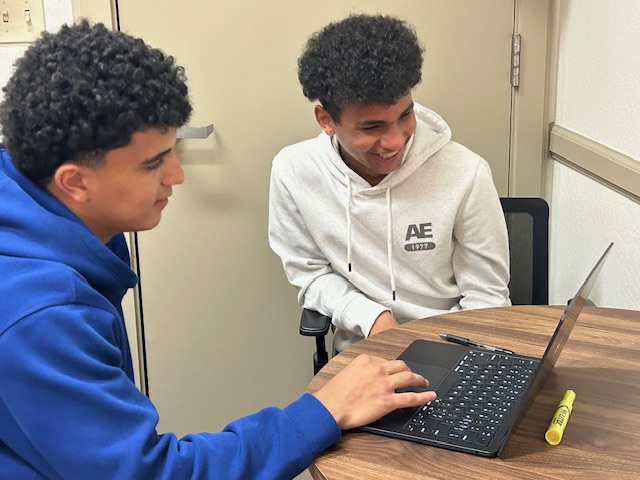
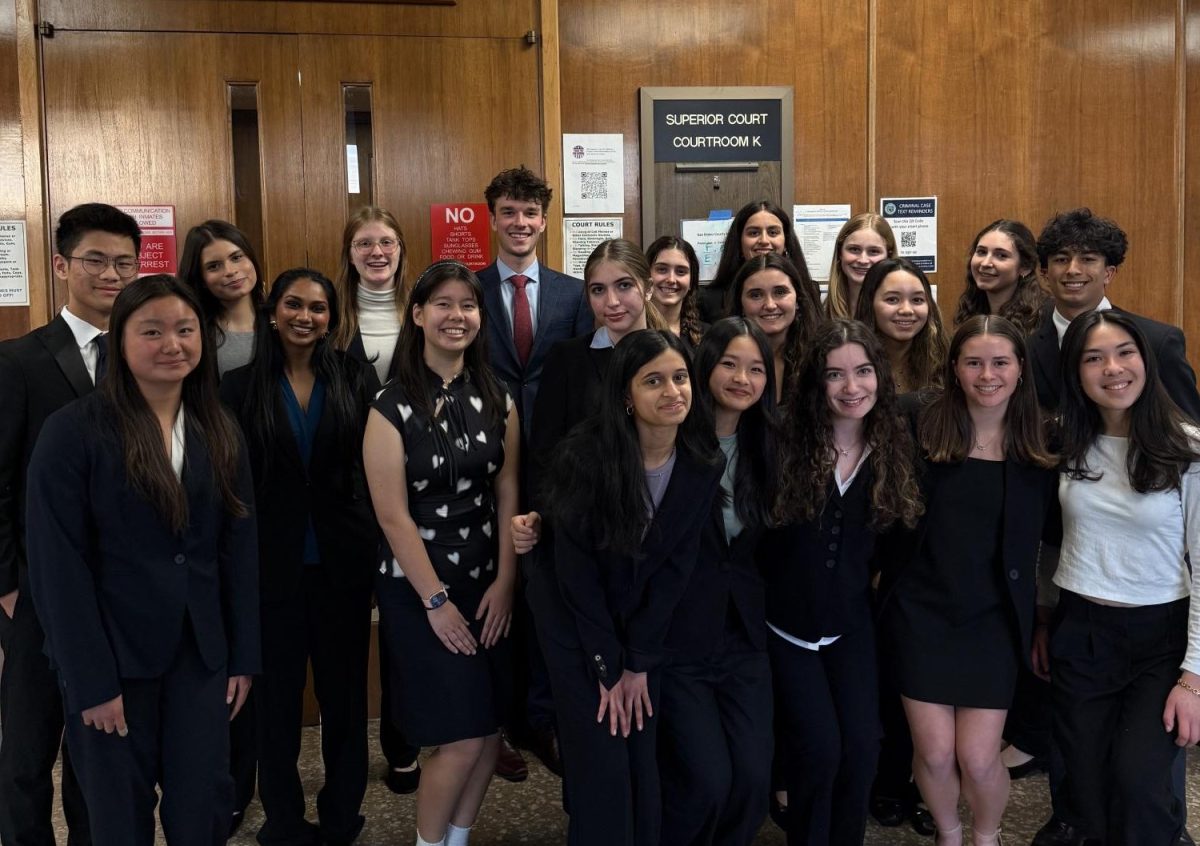







On Saturday, April 18, students from across the Bay Area gathered at Burlingame for the first Panther Hacks hackathon, a student-run coding competition hosted by sophomores Alisa Leung, Sonia Shin, Isha Chitteti and Sophia Hwang, members of the Panther Hacks club at Burlingame. At the event, around 20 students gathered and spent nine hours designing and building original coding projects based on this year’s theme: “Panther Pack,” which was centered around community and connection.
After hours of hard work, teams presented their projects to judges who work in the technology industry, who reviewed the projects and selected a winner.
“One thing really special about hackathons is you’re creating a really big and impactful project within a really short timeframe,” Leung said. “So I wanted to create that experience where students feel the pressure, and they do have to be competitive, but they can also have fun and create something that’s really meaningful.”
Unlike traditional coding competitions, Leung said Panther Hacks was designed to be accessible to students of all experience levels. To support beginners, the organizers hosted a workshop in the morning, introducing participants to Hypertext Markup Language (HTML) and Cascading Style Sheets (CSS) web development. They also helped students form teams and provided individual guidance throughout the event.
“Our main goal in hosting this hackathon was making programming and participating in hackathons overall more accessible to new programmers,” sophomore co-organizer Sonia Shin said. “We wanted to make it so that anyone coming at any level of experience could make a project, be proud of what they’ve done and learn from other people.”
Some of the projects groups created included a Tic-Tac-Toe-style game pairing users with strangers and music-related apps designed for online collaboration.
“One group made what they described as Omegle, but for video games. You can choose a game like Tic-Tac-Toe, and it pairs you with someone random who’s also playing Tic-Tac-Toe, and you can voice chat with them.” Shin said. “One other cool thing I’ve seen one group do is a music tool where you can collaborate with others and play music online together.”

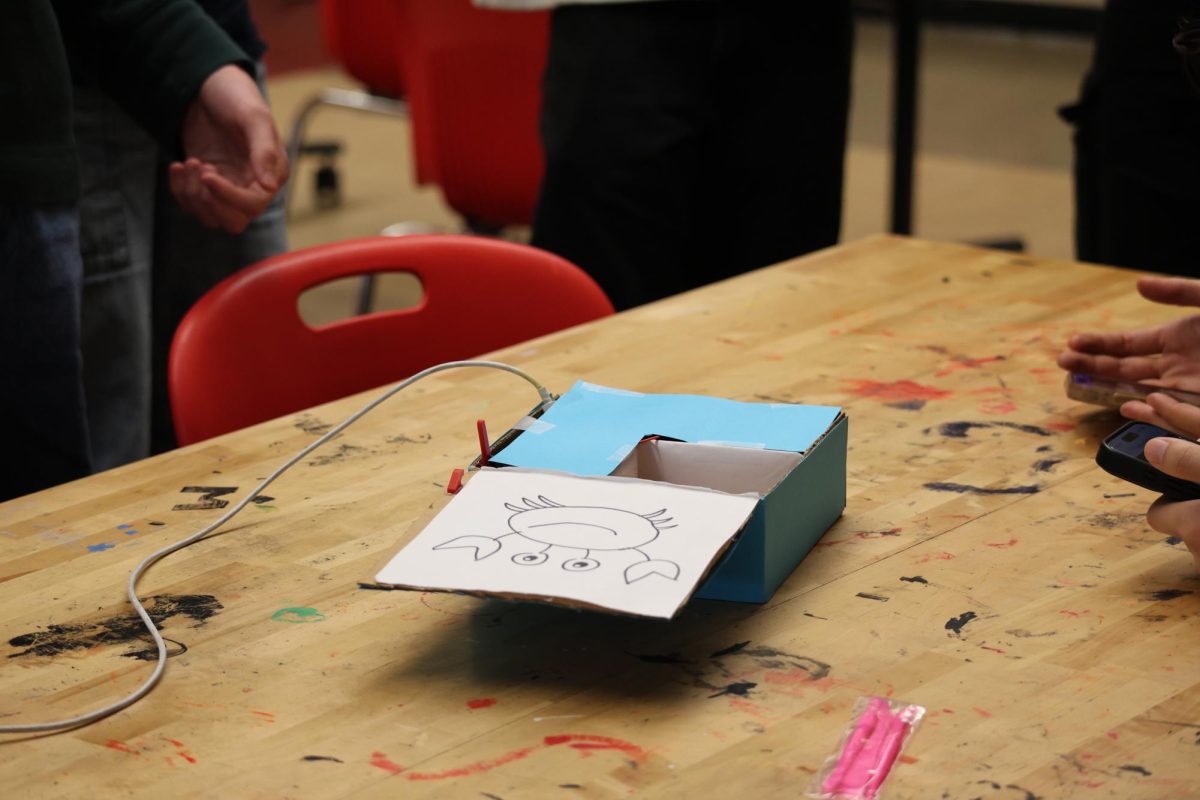
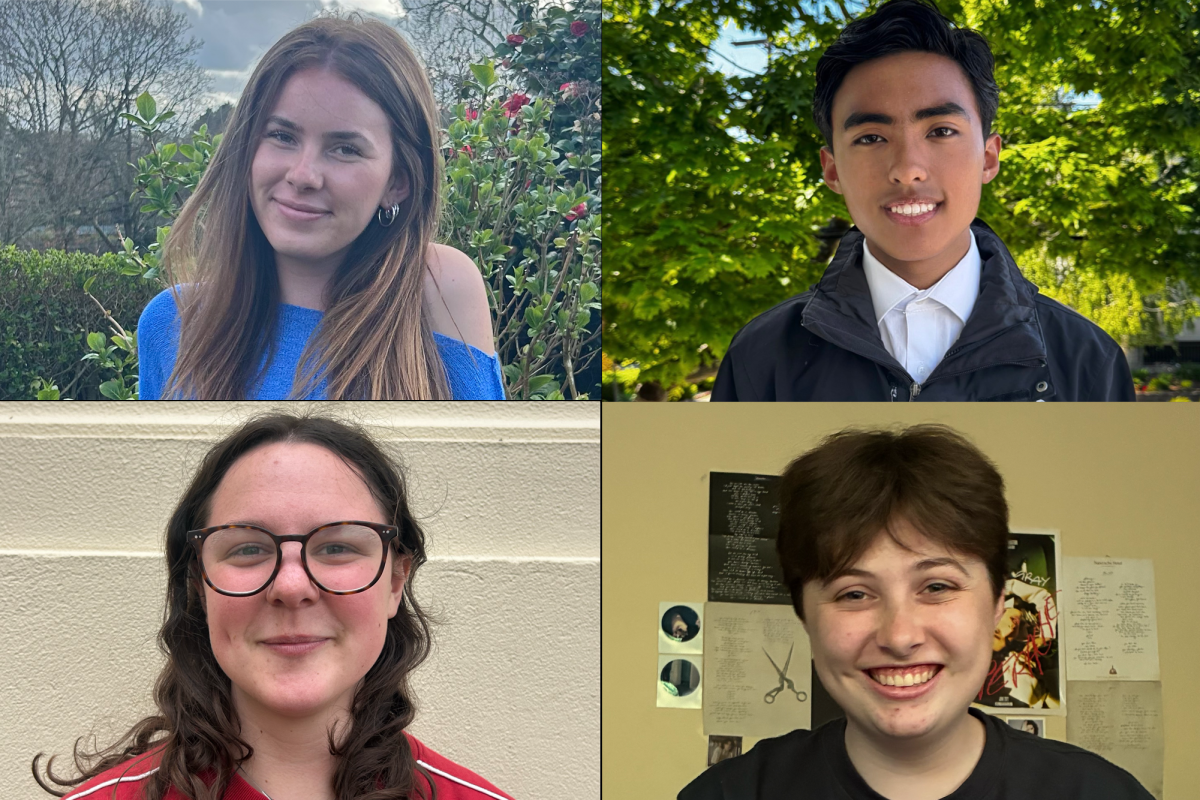
The winning project was juniors Colin Haine, Bruce Peters, Rain Yang and Alex Bertelli. The group designed an interactive system where users answer questions about each other to unlock clues. As participants learn more about each other, they progress through the scavenger hunt, eventually locating a physical device connected to the app and completing a final challenge.
“Most teams just did software projects, but we wanted to go above and beyond,” Haine said. “Because we had a background in so many different areas, like hardware design, microcontroller creation and software, we wanted to combine all of them. So we had both a physical device and a web app.”
Beyond individual projects, Shin said the most memorable part of the event was watching students collaborate and bring their ideas to life.
“I really didn’t know what to expect since this is my first time organizing a hackathon, but just going around talking to other groups, seeing what they’ve done and getting to see all the different projects coming together really quickly–it’s just made me so happy to see how much work people can do when they really put their mind to it and work together,” Shin said.