Celebrating 100 years of Black History Month: students and staff raise awareness through education
“What gets remembered is determined by who is in the room doing the remembering.”
Betty Reid Soskin, America’s oldest park ranger, said this in a 2014 interview with NPR. Soskin was an African American woman, a longtime Bay Area resident, and a political activist and songwriter in the 1960s, known for highlighting untold stories about African Americans on the World War II home front.
Every February, the United States celebrates Black History Month to recognize the achievements of African Americans across the arts, activism, athletics, and more. According to the Association for the Study of African American Life and History (ASALH), Black History Month began as Negro History Week and was founded by Carter G. Woodson in 1926. He chose February because it includes the birthdays of President Abraham Lincoln and Frederick Douglass — two figures who played pivotal roles in Black history.
Black History Month was officially designated as February in 1986, when Congress passed Public Law 99-244. President Gerald Ford first recognized and observed Black History Month in 1976. Each year, the ASALH chooses the annual theme for Black History Month, and this year selected “A Century of Black History Commemorations” to recognize 100 years of honoring important figures and events in Black history.
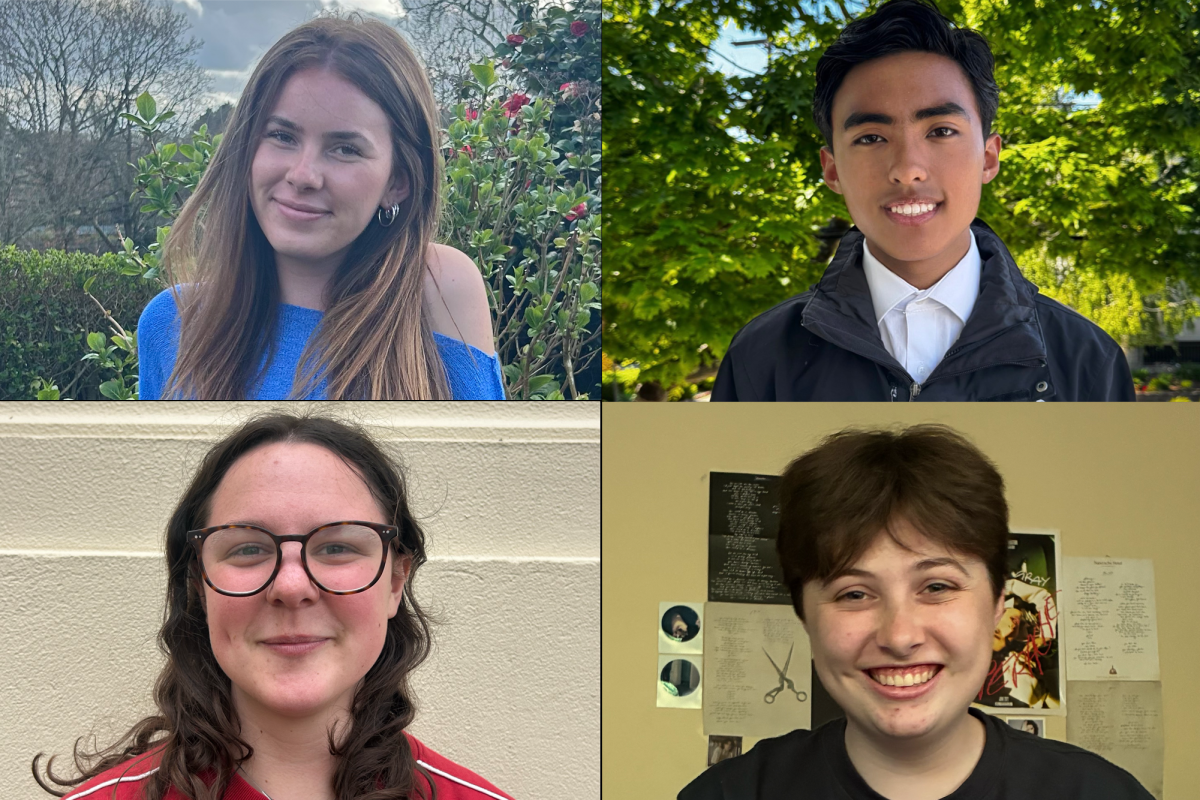
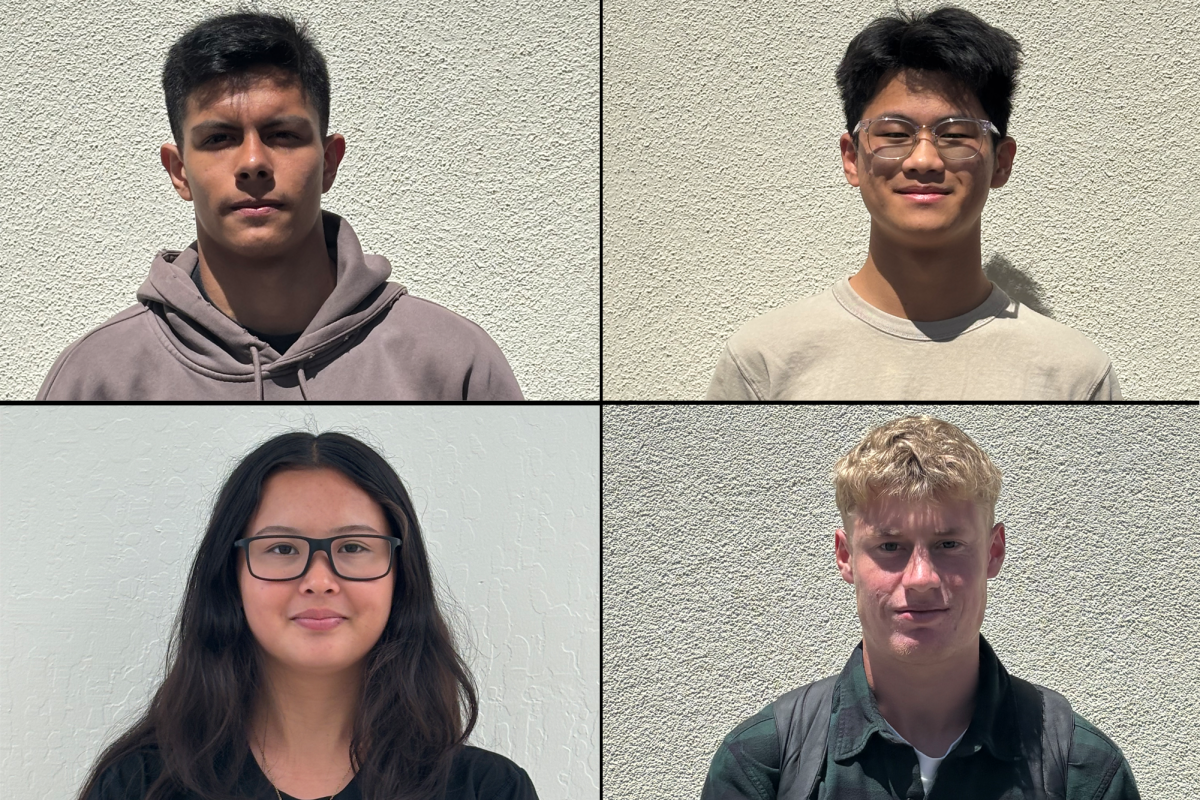
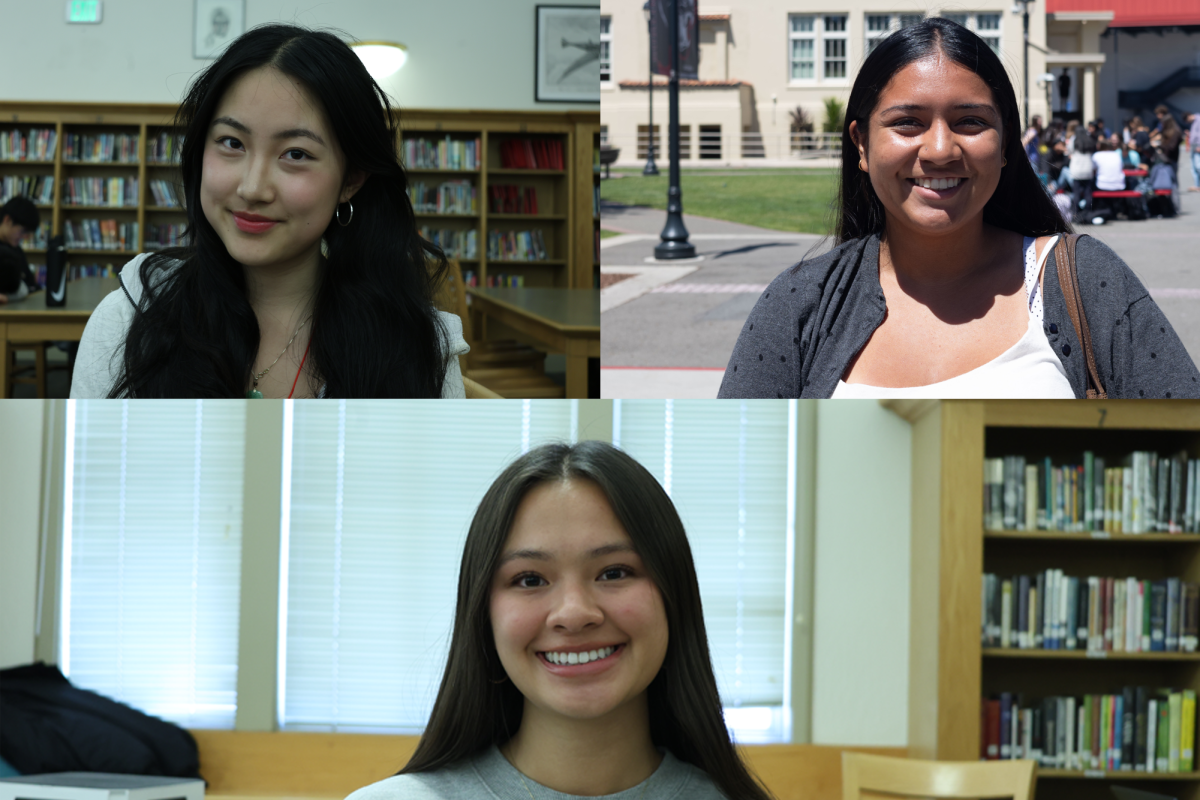
The B asked students and staff how they would like Black History Month celebrated and represented at Burlingame, and who they want to recognize.
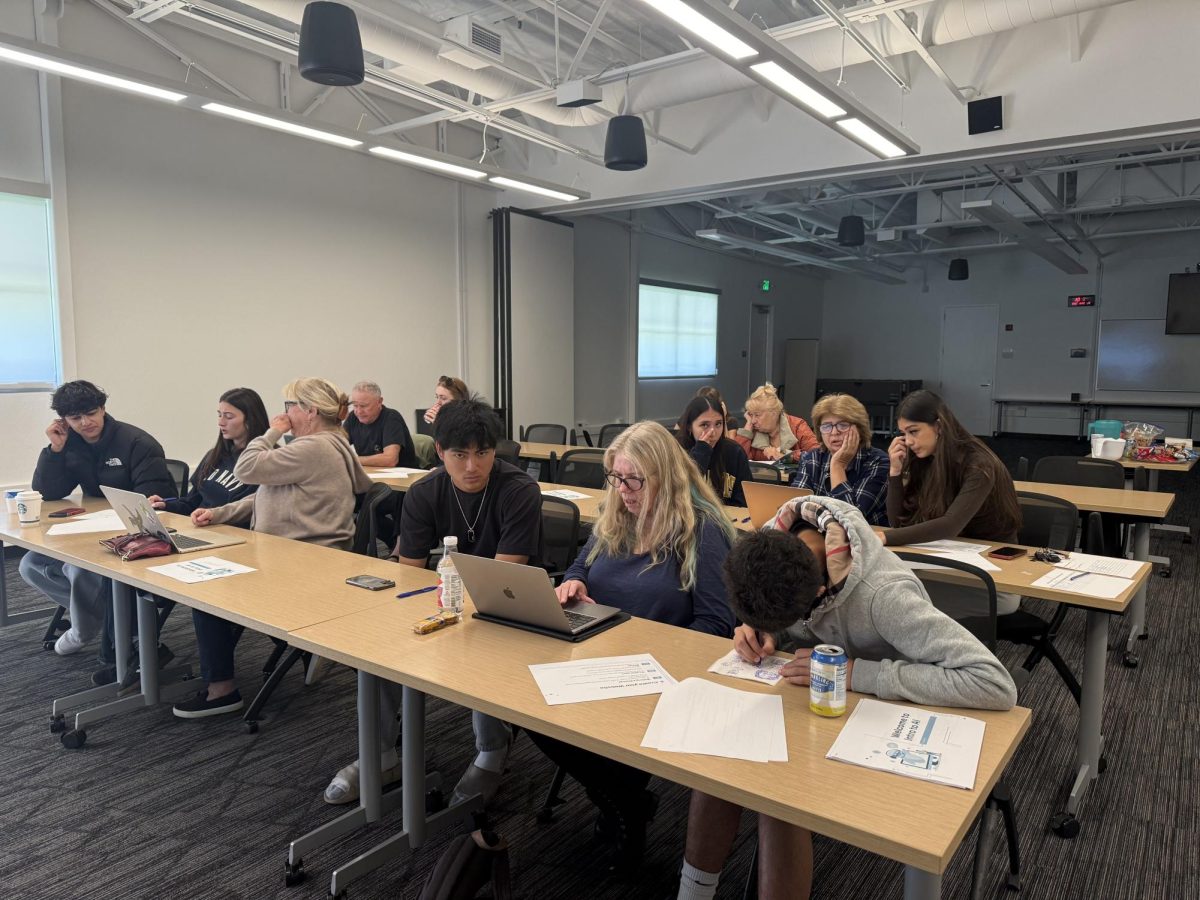
To celebrate and bring awareness to Black History Month at Burlingame, the Black Student Alliance (BSA) plans to continue its annual tradition of bringing dishes to meetings. Health Department Chair and Unified PE and health teacher Malcolm Davis also plans to introduce a different Black historical figure to his students each day throughout February.
Davis said he wants Black History Month to focus on recognizing the successes and advancements made by figures in the Black community.
“The way that we should celebrate Black History Month here at Burlingame High School should be through a lens of seeing Black history as not just as stories of sadness or rough trials, but talking more so about some of the great accomplishments that have been done by historical figures in the Black community throughout history,” Davis said.
Senior and BSA President Hermela Flowers takes time during Black History Month to educate herself further about people and moments in Black history. Flowers said learning more about this history is impactful and helps her become a more well-rounded person.
“Especially in my Black Student Alliance, we try to bring up other people’s stories and sort of talk about the things that aren’t really known,” Flowers said. “For example, Ruby Bridges. She was one of the first kids to be introduced to the desegregation of schools, and she’s still alive today. And I think that’s so impactful.”
Sophomore and BSA Vice President Israel Pubien said he would like to see Black figures spotlighted in history classes in conjunction with each time period.
“I feel like something in history classes, if they were [to] just have a day and talking about, not driving off from what they’re teaching, but maybe mentioning, or having a day about a Black person during that time period,” Pubien said.
Pubien also suggested featuring more African Americans in arts classes.
“Theater, ceramics, stuff like that, if they were to mention someone who is African American or just African, and they have a big playing part in that, that would be nice,” Pubien said.
Similarly, junior Sharon Sims-Calzolai said schools should show more informational segments so more students can learn more about Black history.
“I would like to just have an informational show on BTV, or something about Black history, about who contributed to where I am today,” Sims-Calzolai said. “I don’t want to make it super complicated for students, to make it like, ‘Oh, hey, I don’t want to do this. I don’t want to learn about this.’ But kind of like, ‘Oh, this is great-to-know type of thing.’”
Starting in 2026, the Trump administration removed free admission to national parks on Martin Luther King Jr. Day and Juneteenth, the two federal holidays that commemorate important moments in African American history. U.S. citizens and permanent residents receive free admission to national parks on most federal holidays.
Additionally, last March, the administration released an executive order directing the National Park Service to take down and adjust some exhibits and displays mentioning slavery to create “a more positive view” of U.S. history. These include displays at the Smithsonian Institution and several national park sites like Independence National Historical Park, Fort Pulaski National Monument, and Manassas National Battlefield Park.
“This is what should be taught, not the sugar-coating part of American history. And yeah, they are. I just feel like it’s not fair at all,” Sims-Calzolai said. “There was so many other things that happened with Native Americans that’s already being seen as relate, erased.”
Signs and materials about lands that previously belonged to Native American tribes have been ordered to be removed.
Davis said these stories should not be rewritten or manipulated and should be told as accurately as possible.
“It’s important to continue to tell these stories in their true full, full version, not the censored and edited version that’s not going to hurt anybody’s feelings,” Davis said. “I think these stories need to be told and told the correct way, and not in the way that’s going to protect certain people’s feelings and certain people’s ideologies.”
For Flowers, preserving this history is important because everyone has a different story, and it’s essential to recognize your roots.
“I was talking about being educated and realizing that the people around you don’t have the same story as you, and it goes back years and years and years,” Flowers said. “And I think it’s so important to know about these things that happened before you, because history will always repeat itself if you don’t know it.”
Davis said he wants these stories and people remembered through the lens of persistence and bravery despite the challenges they faced.
“It should be remembered in the light of perseverance as well as courage and also strength,” Davis said. “Just having the strength to be able to withstand the hate and withstand a lot of the negativity that was surrounding them, and just the ability to continue to kind of fight and push through times where it’s really difficult.”
While the Black student demographic at Burlingame is 1%, Davis said it is crucial to have discussions and raise awareness.
“Especially in the school here at Burlingame, where there are very limited Black and African American students as well as staff, it’s important to have these conversations and have people talk about these things,” Davis said. “Because some people don’t have the opportunity to interact with very many people that are different than them. So [I] think it’s good to bring awareness to that.”
Your donation will support the student journalists of Burlingame High School - CA. Your contribution will allow us to purchase equipment and cover our annual website hosting costs.