



























In response to rising enrollment of multilingual learners at Burlingame, intervention counselor Ted Brugman and senior peer tutor coordinator Sophia Yarmolinsky developed a program to support these students.
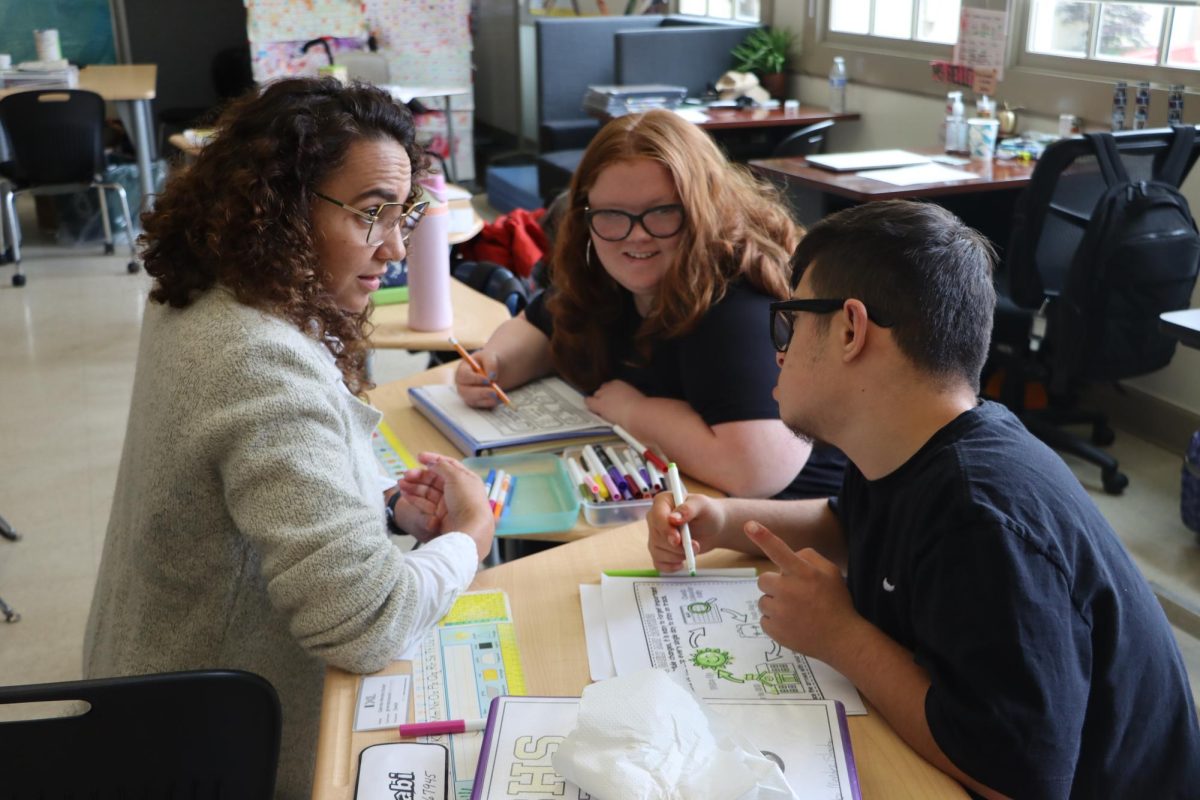
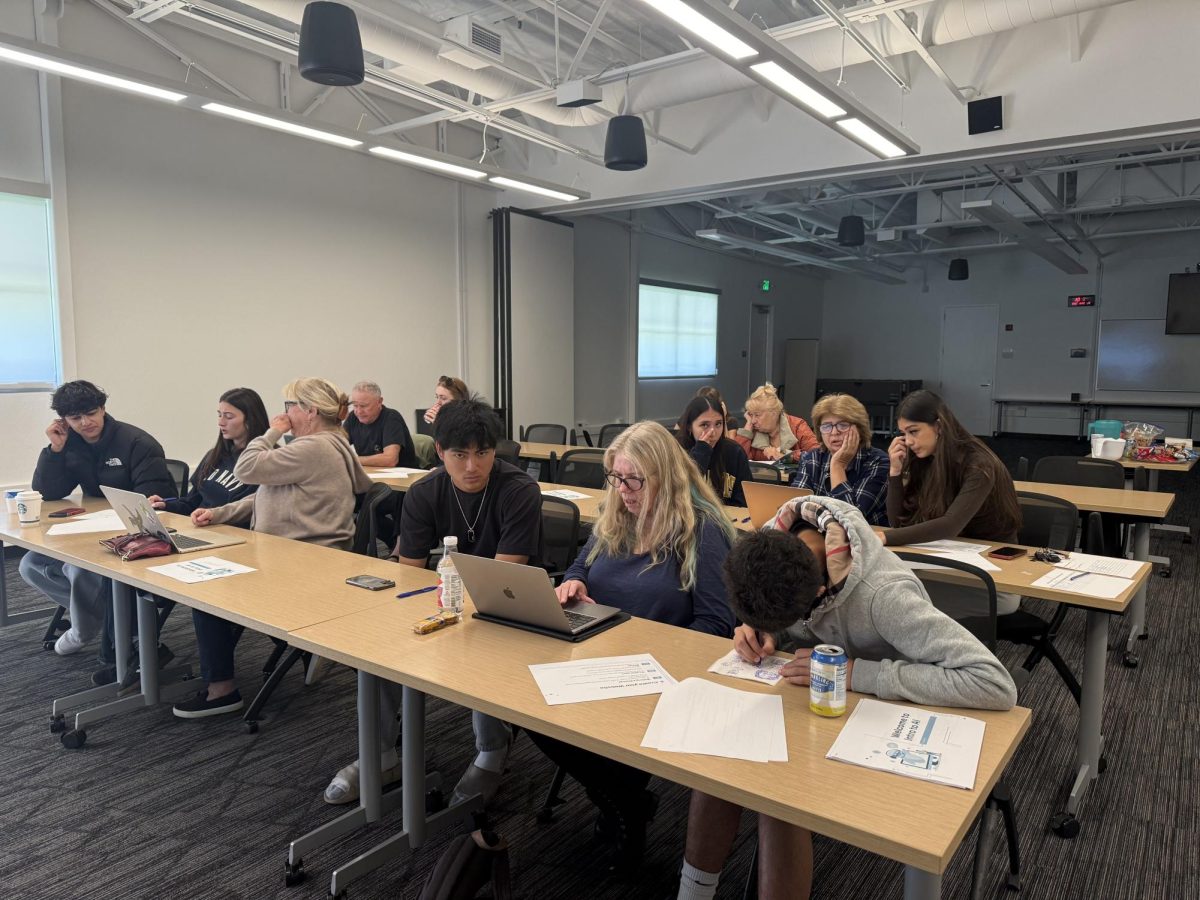
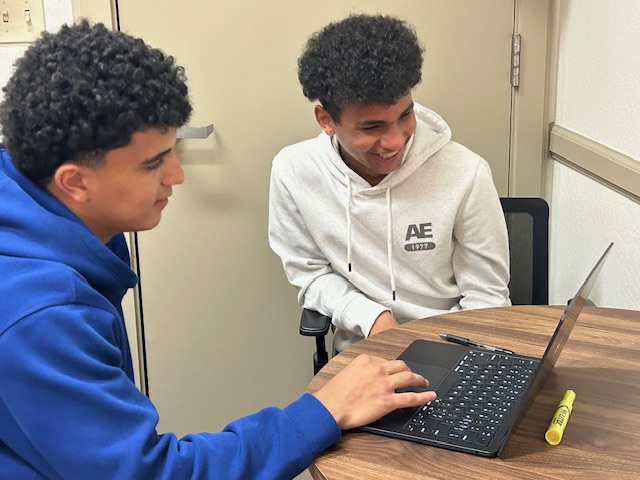
The program offers peer-to-peer mentorship for English language learners, with tutors assisting students in their primary language. It complements the Community Literacy in Action (CLA) curriculum, an English course designed to help students reach English proficiency, while providing individualized instruction in ways larger classes cannot.
“If you’re new to a community, new to a country, new to a language, combine all these things with just the inherent challenges of being a young person and being a student,” Brugman said. “There are a lot of things to speak about that make that situation challenging. So ultimately, I wanted to find ways of providing more support.”
As part of the program’s initiative, Brugman said that he personally reaches out to the students.
“Folks who oftentimes need the most support and would benefit from support the most are the least likely to kind of access that kind of support,” Brugman said. “…I have been trying to think about how to bridge that gap, how to facilitate access to support for students who are not as likely to take advantage of some of those things.”
Typically, students meet with their tutors during or after school to receive support in subjects they find challenging. In addition, these students also work closely with Brugman, which allows him to tailor the program to individual needs.
Freshman Shaban Hassan, a student in the program who primarily speaks Arabic, said that tutoring helped him become academically successful.
“He was never good in the start with all the classes, and then when we started meeting and getting help, he started getting good grades,” peer mentor and junior Qasim Abutair said, translating for Hassan.
Abutair began working with Hassan at the beginning of the semester and meets with him on a weekly basis. Abutair said the program allowed him not only to meet new people, but also form friendships.
“It’s positive, connecting with someone that’s here from another country,” Abutair said. “We have similar stories, and we could relate to a lot of things, because I was once just the same.”
The program is still in its early stages, with outreach for tutors still ongoing. Yarmolinsky said the program ultimately aspires to empower students as they navigate new academic environments.
“It’ll just make struggling students more open to help,” Yarmolinsky said. “I think there’s a lot of students that struggle quietly and they’re scared of speaking up. So I think having this program will really help those students.”