


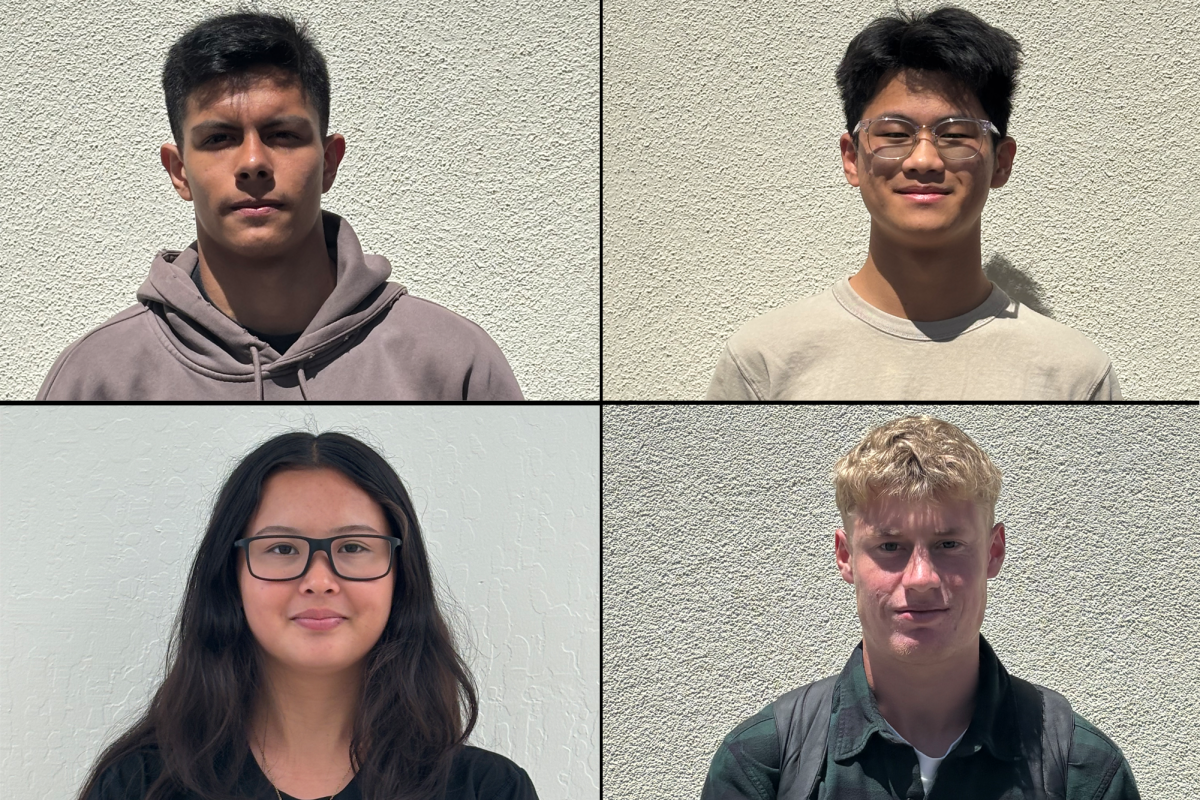
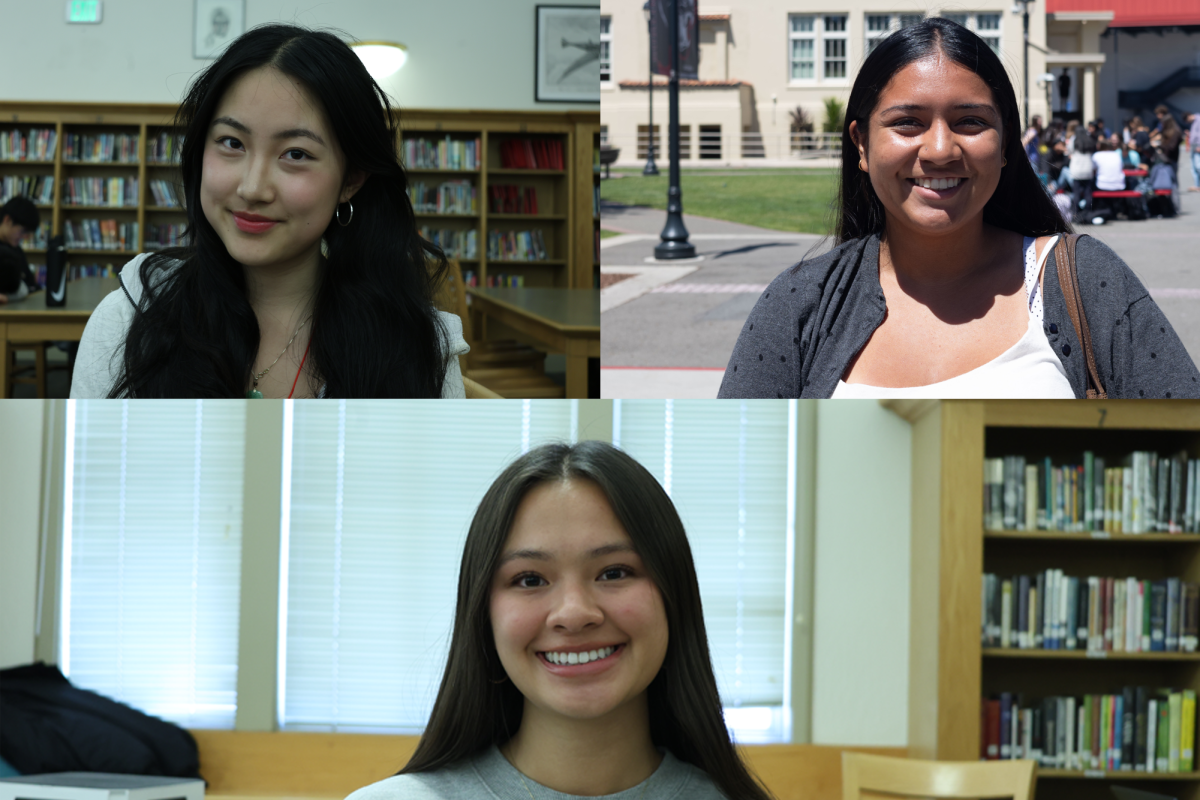







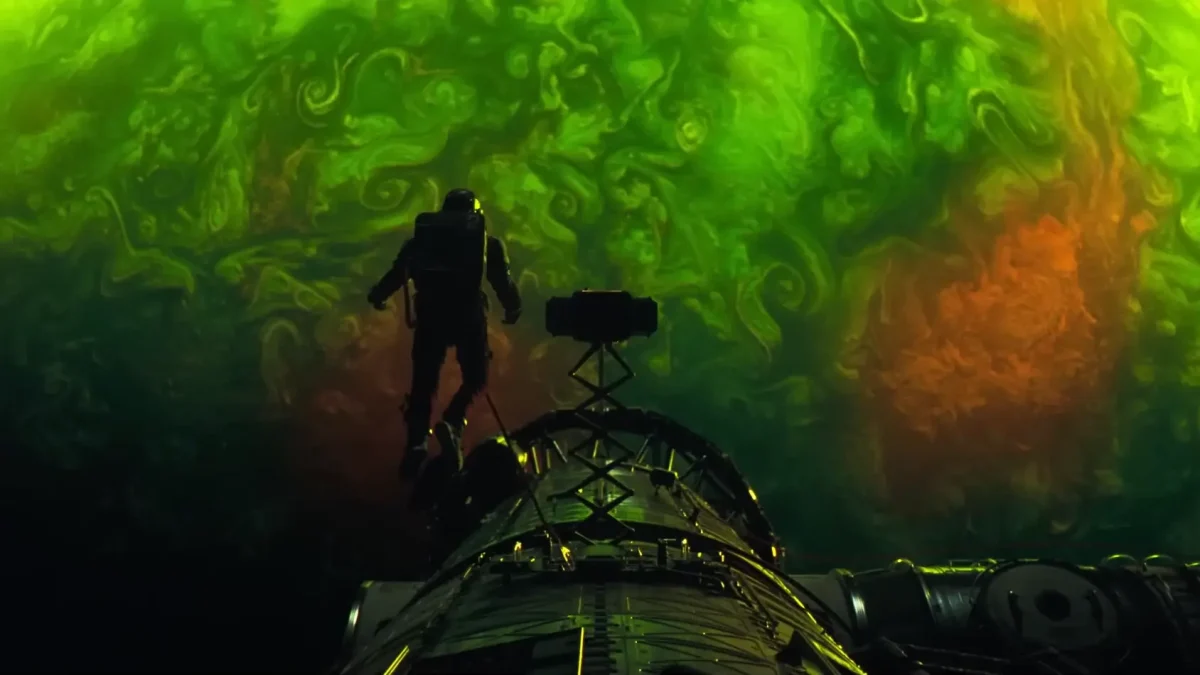



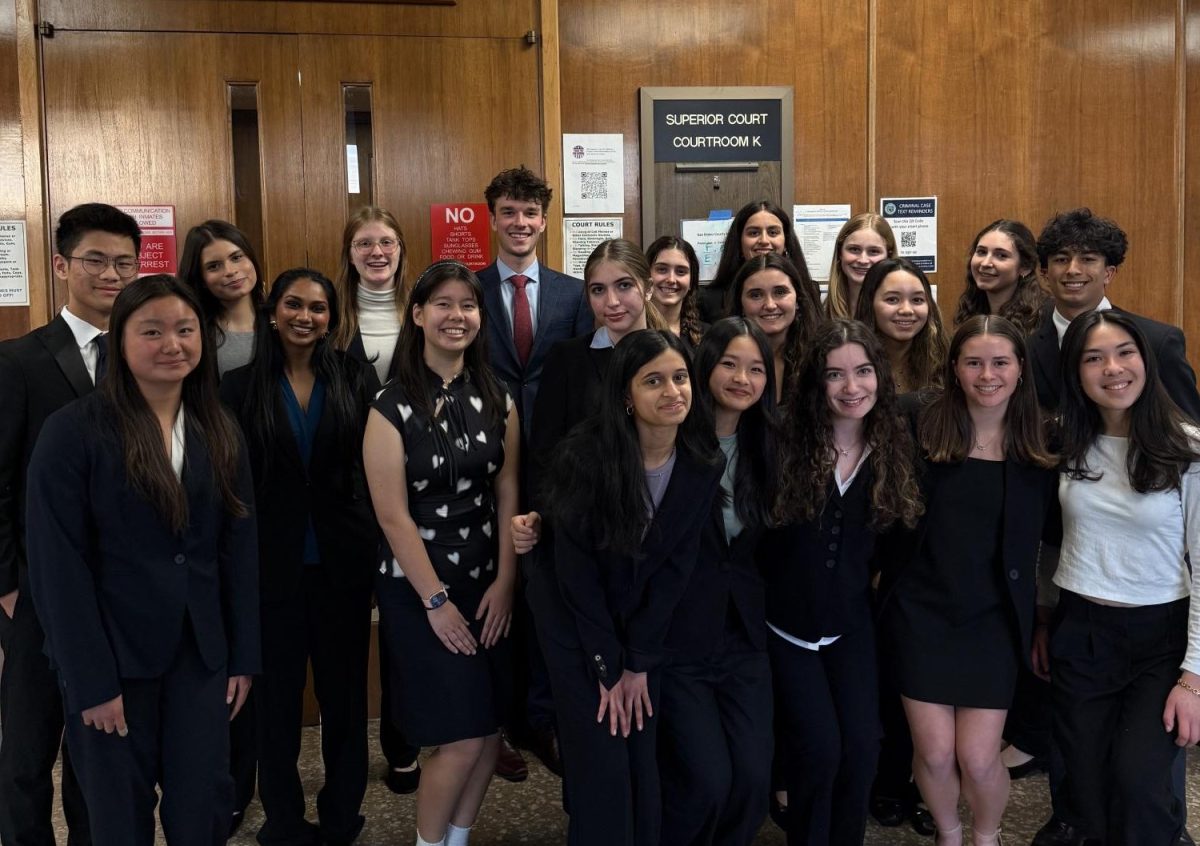





On Friday, Jan. 20, the STEM Olympians club triumphed in the annual National Aeronautics and Space Administration (NASA) TechRise Student Challenge. As one of two schools representing California, the team was selected for their proposal of the Surface Photoelectric-Charging and Dust Experiment (SPADE).
The competition invites students to design and submit a technical proposal for experiments to fly on a NASA-sponsored suborbital commercial flight test. The team’s proposal compared the behavior of lunar dust stimulants under ultraviolet (UV) radiation and non-UV radiation, using those insights to explore how dust interacts with space systems and materials.
Junior and team captain Belle Tan said the team’s interest in space systems drove the creation and submission of their proposal.
“We talked about how bearings could change under microgravity, and we just settled on dust behavior because we thought it’d be a very prevalent problem in space systems,” Tan said. “And it’s something that scientists today do have to mitigate.”
According to junior Pranav Bajaj, the team initially hesitated to compete in the TechRise competition.
“I was like, ‘Hey guys, this is actually really cool. I think we should devote a little bit more of our energy towards this. We can actually make this happen,’” Bajaj said. “So with a reinvigorated spirit, we went into this competition and proposal with a clear, defined goal, just no real experiment to get there, and that’s where the iterative process starts.”
For club advisor Michael Wu, it was gratifying to step back and watch the team’s hard work pay off.
“I had very little involvement in this, so I just submitted the paperwork, and it was entirely them,” Wu said. “But it’s been really fun to watch them work together. Anytime people have passion, and they have something that they are willing to pursue.”
-
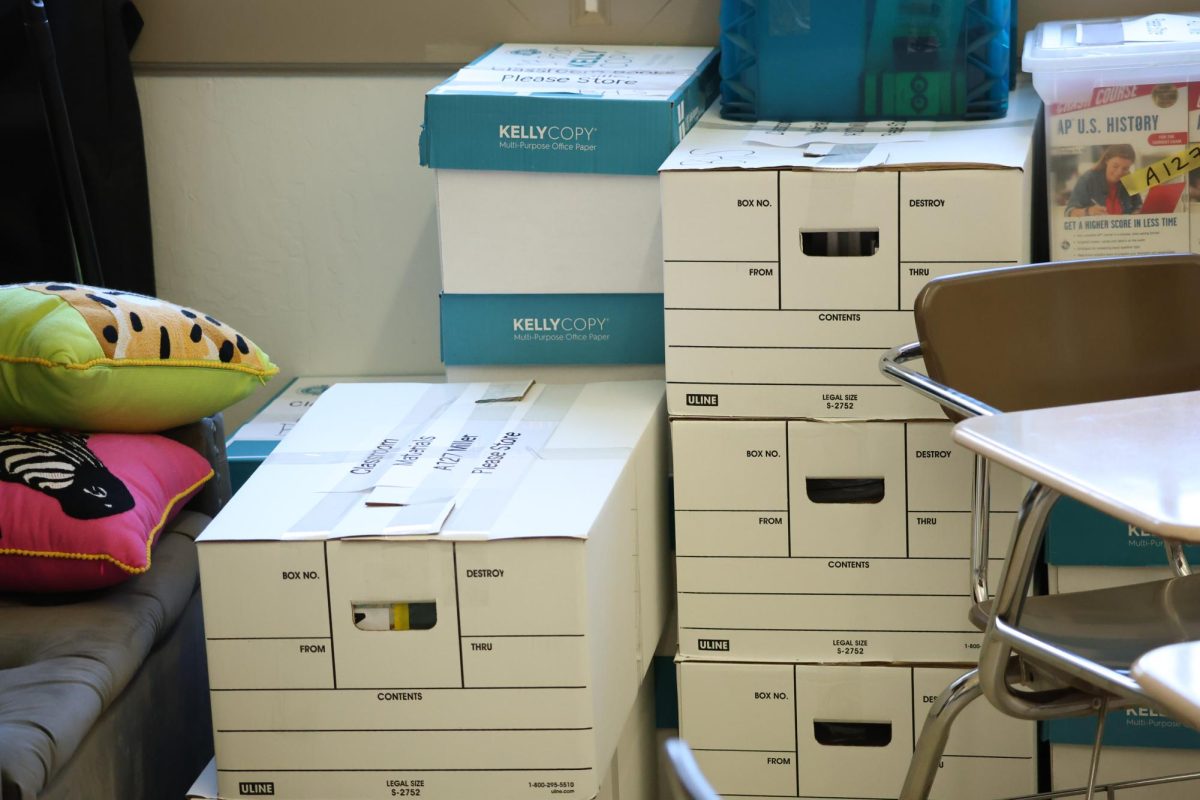
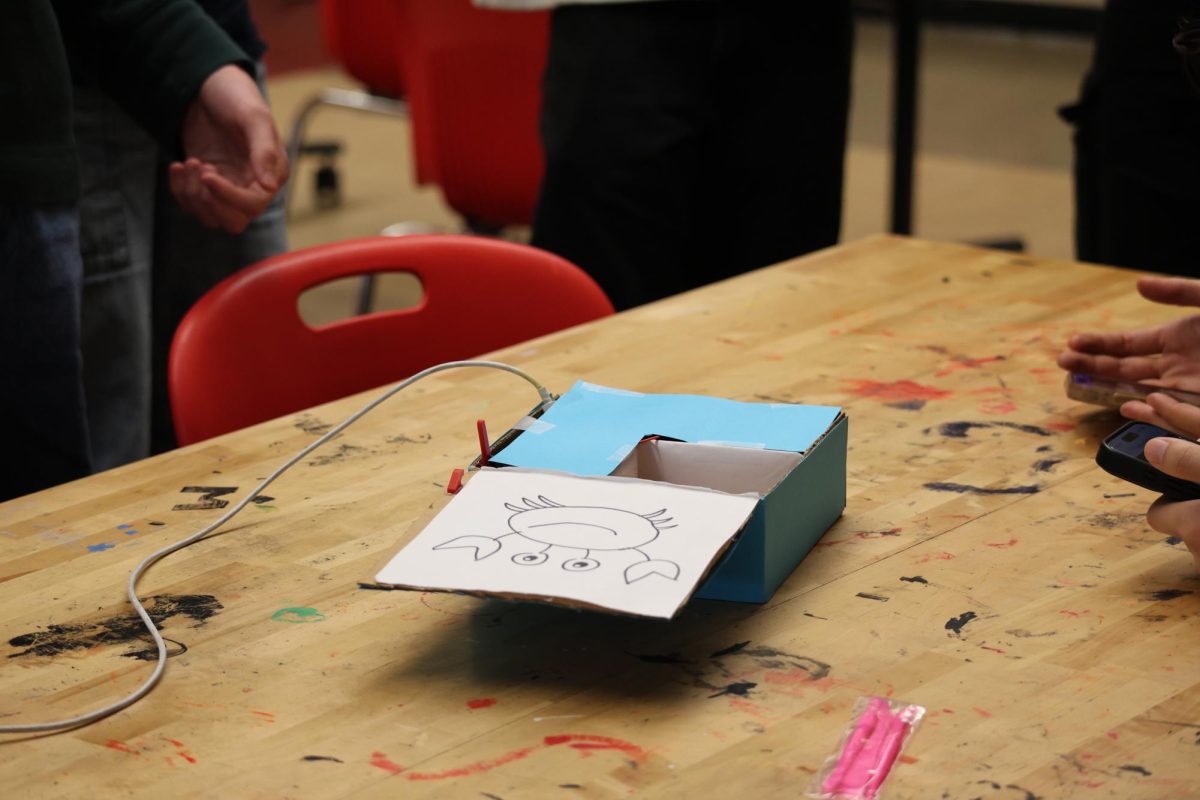
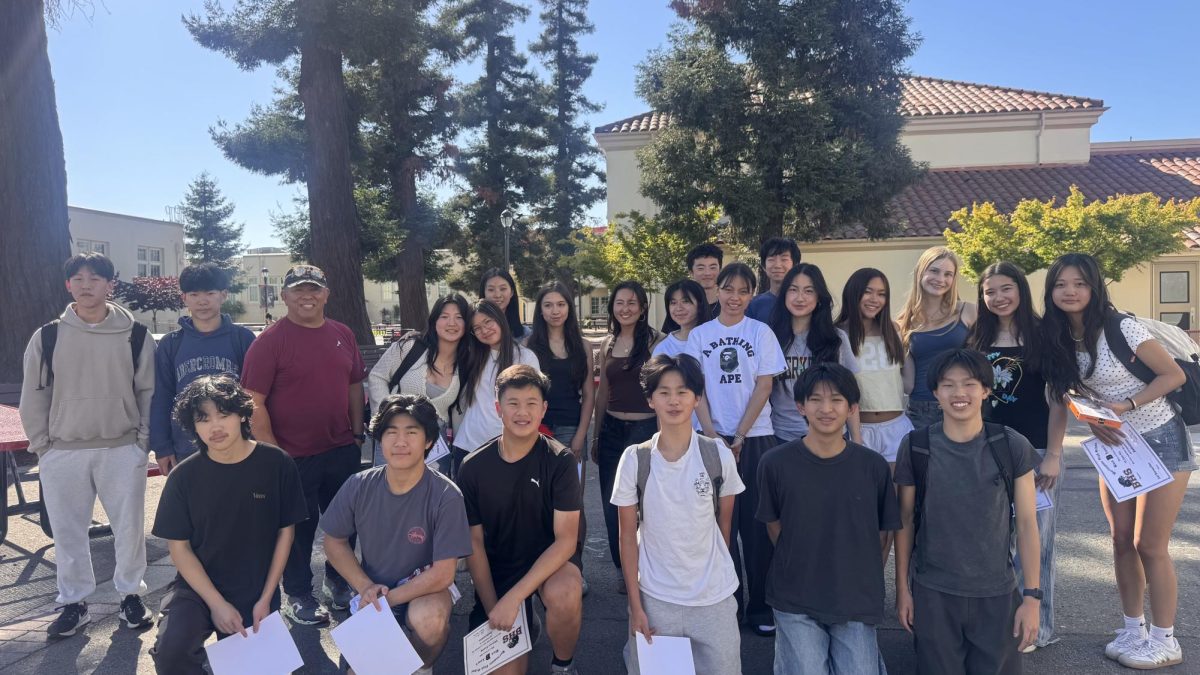
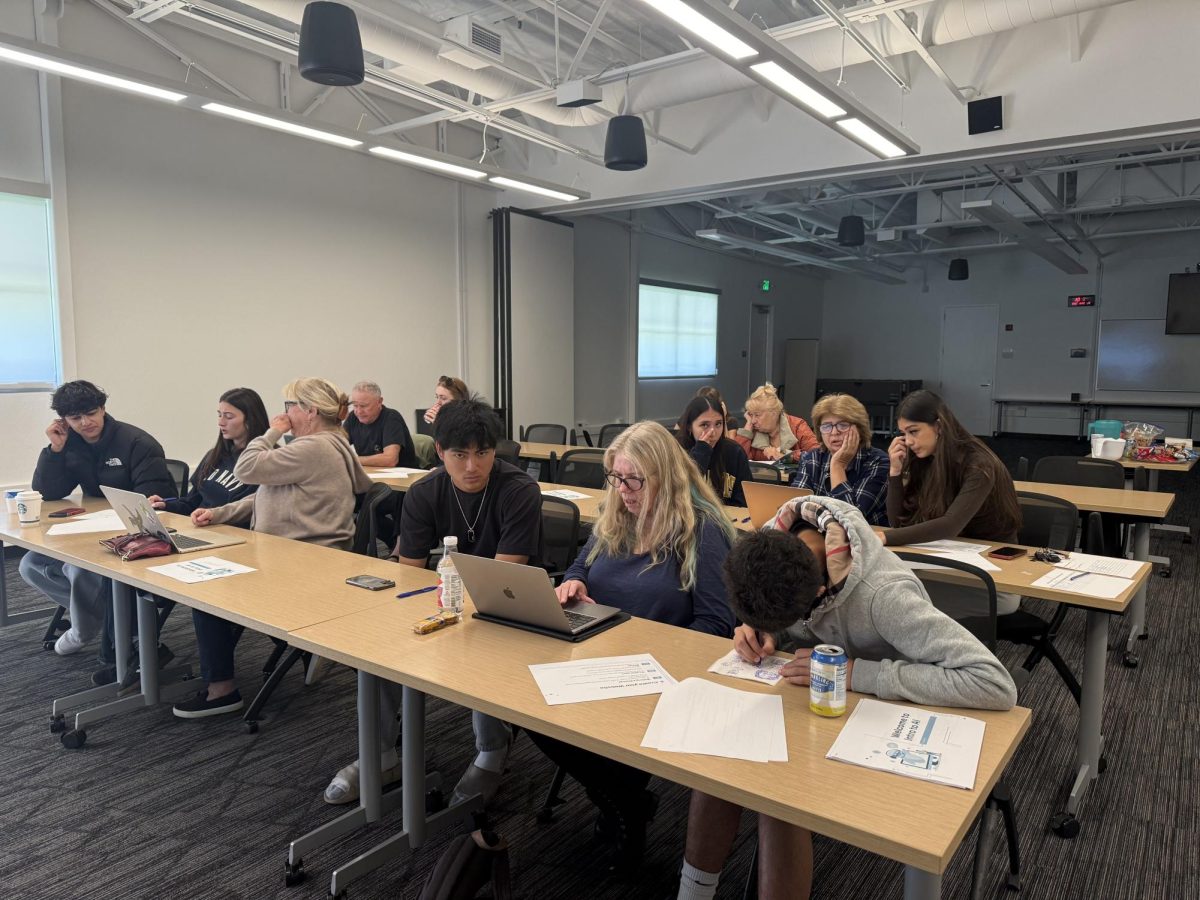
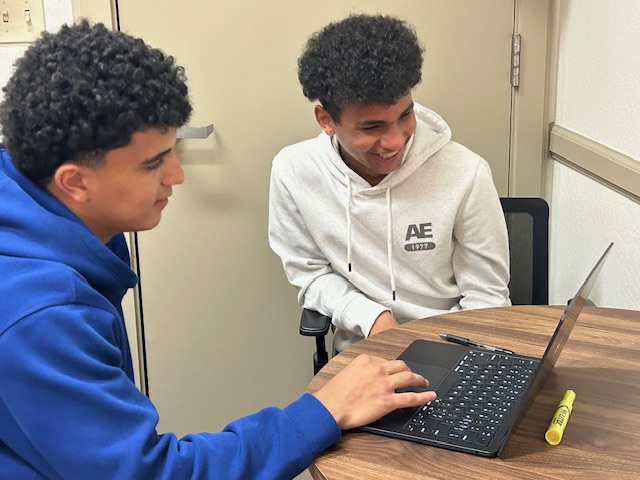
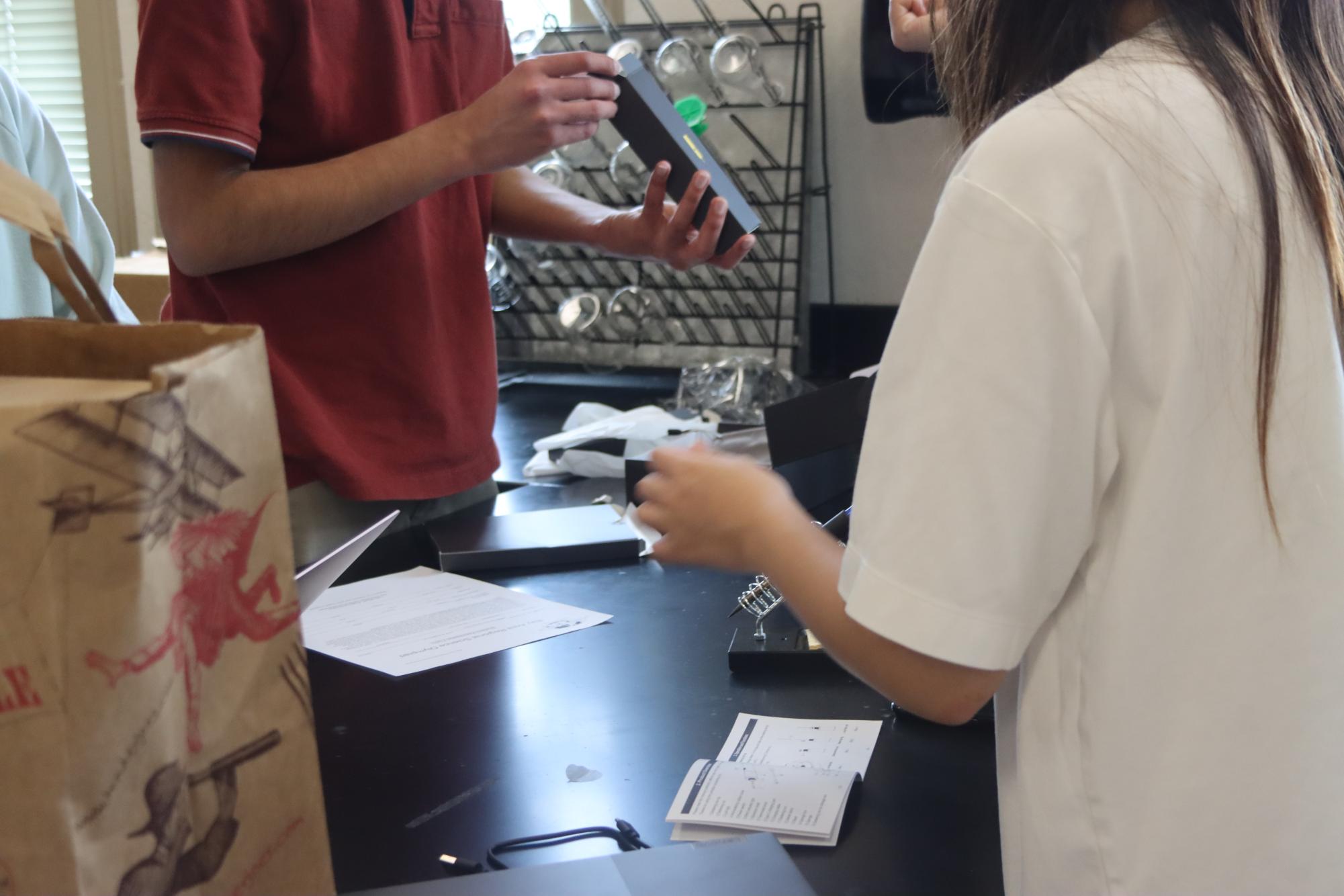
During a club meeting on Friday, Feb. 27, the team unboxes materials needed to create their payload. Photo courtesy of Belle Tan
-
The team unpacks newly delivered materials to build a design for the Surface Photoelectric-Charging and Dust Experiment (SPADE). Photo courtesy of Belle Tan
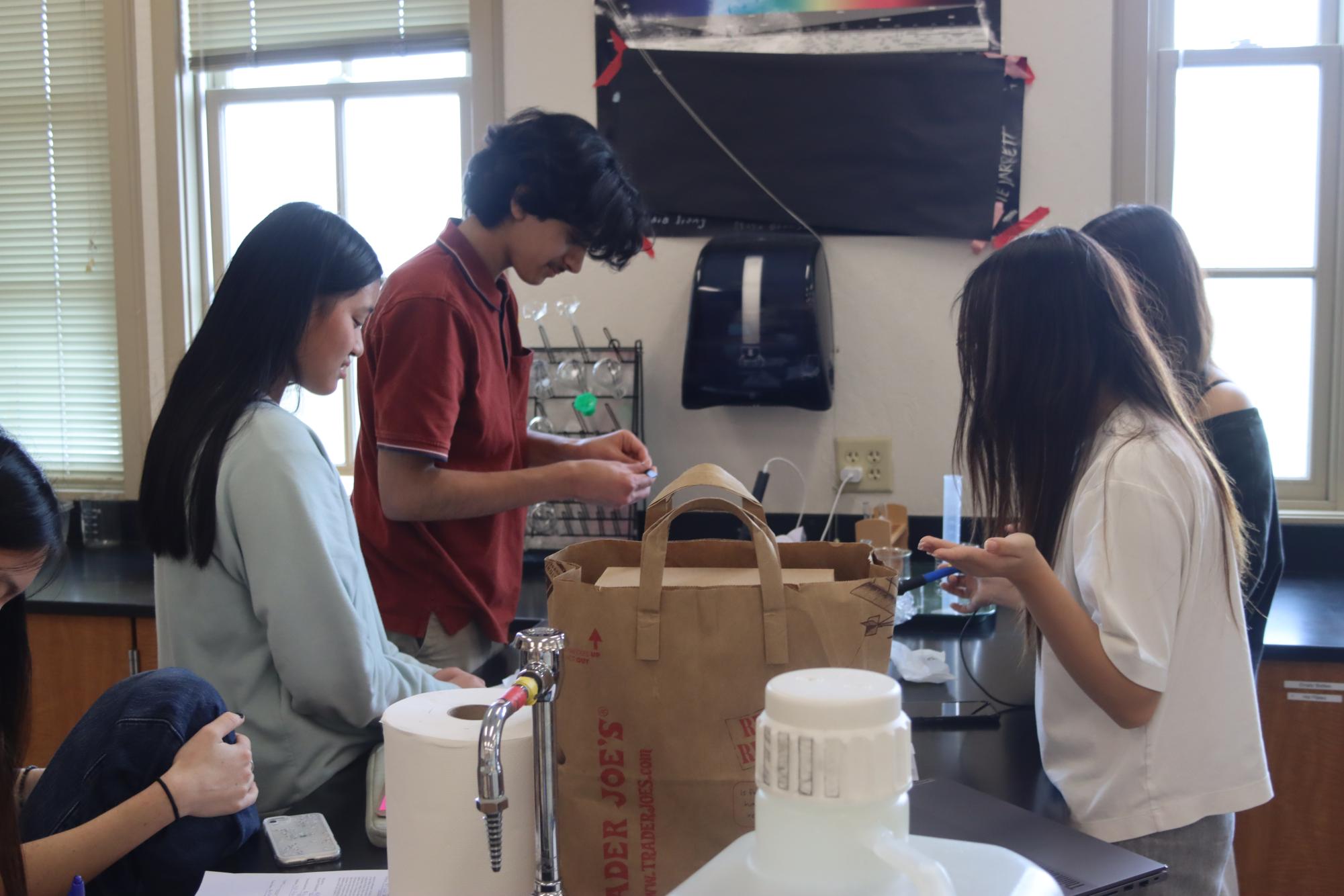
Currently, the team is gathering materials and meeting with NASA scientists to plan the payload structure and build the final design.
“‘What exact materials do we need?’ So that’s currently what we’re doing right now, making our list of materials,” sophomore Isha Chitetti said. “That way, we can get it recompensated by the TechRise prize money, and soon after that, we’ll be starting our building, soldering, and coding process.”
Bajaj said one of his favorite parts of the competition is the opportunity to apply their work to current research.
“I’m actually really excited about the impact of our specific proposal, because our proposal studies the effect of ultraviolet light you’d get from the sun on this lunar dust,” Baja said. “… It really has direct implications on space exploration, the safest and most efficient ways to do it, and how to prolong the use of this space equipment.”
Meanwhile, Tan said she enjoyed the process of creating physical designs and understanding the behind-the-scenes action of building an experiment.
“My favorite part of this challenge is actually being able to turn our ideas from paper to physical,” Tan said. “It’s really nice to work through the process, to actually transform our ideas, because you get to learn a lot about what happens behind the scenes. You understand how the systems work.”
For Tan, participating in the competition has been beneficial for both her and the team in developing practical skills.
“This year, it’s more about taking accountability and making sure other people learn. In the past, I was able to do what I liked, but now I have to enable others to help them learn,” Tan said. “It’s a really great experience, because our members are gaining very valuable skills, from Python to soldering to doing 3D design. It’s really useful for them to learn.”