
On Thursday, March 26, the San Mateo Union High School District (SMUHSD) board voted unanimously to ban student phone use throughout the entire school day. The policy complies with state law requiring schools to restrict or ban cell phone usage by July 1, 2026.
SMUHSD Board Trustee Ligia Andrade Zúñiga said she was initially skeptical of a full bell-to-bell cell phone ban, but teacher perspectives convinced her to support the new policy.
“I had met with several different parents, several different teachers and students,” Zúñiga said. “… And then just talking about mental health issues and all of the stress that the teachers have during the school day in managing the whole cell phone issue was the biggest factor in why I chose to support the ban.”
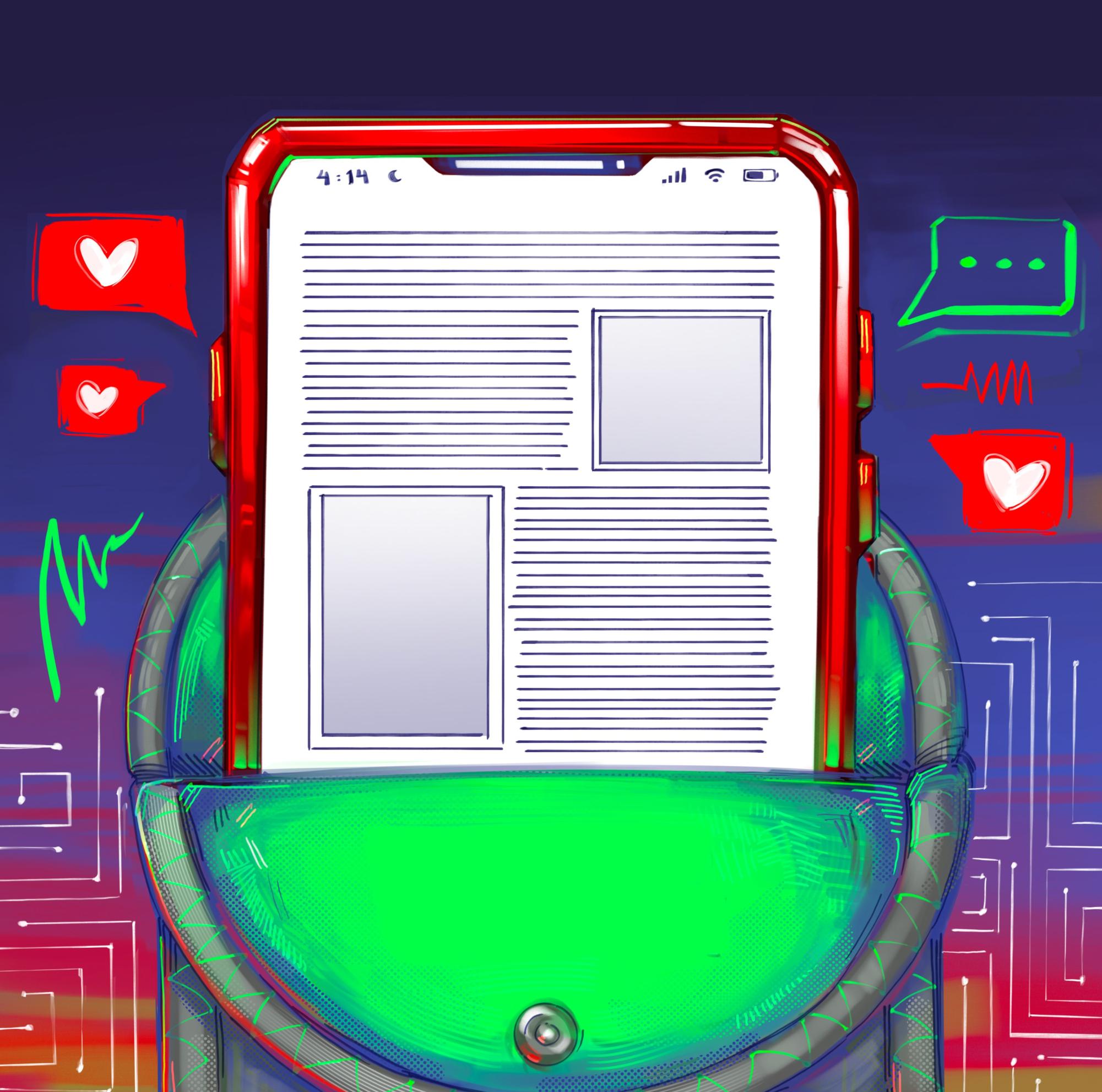
Starting in the 2024-25 school year, Burlingame implemented phone pouches. Science teacher Karen Hartmann said that while the cell phone issue has improved, she supports the ban because phones continue to be a distraction among students.
“This year, I would say it’s been better with the cell phone pockets in terms of students knowing the routine. They know to come in, and they put the phones in the pockets,” Hartman said. “But I still have two or three students that just consistently don’t want to put the phones in the pockets, and then it becomes an issue, because then I feel like a part of my job is now regulating phone use.”
According to Zúñiga, a district survey found that the majority of students were not in favor of a ban. Zúñiga said helping students understand the rationale behind the ban will be one of the challenges of implementation.
“I don’t want students to think that the adults are the ones who always have all the answers, and that we will enforce whatever we want, because that’s really not the perception that I want you all to have,” Zúñiga said. “I do want you all to be thought partners and decision-making partners in all of this, because at the end of the day, it doesn’t affect me, it affects you.”
Sophomore Cole Kilponen acknowledged the potentially harmful effects of cell phone use, but said students will find the ban extreme, given how often they use their phones on a daily basis.
“I think that a lot of people are going to say that this is kind of crazy, because I know that people need it to text parents or just complete assignments,” Kilponen said. “I think taking away your cell phone for the entire day, in my opinion, is a little crazy because sometimes you need it during the school day, and if you don’t have that, it’s kind of tragic in a way.”
According to senior Sasha Dozorov, the current system of cell phone pouches was effective in limiting phone usage.
“I feel like the majority of people put their phones in pouches, and in a lot of my classes, the teachers actually check that people put their phones away,” Dozorov said. “As someone who was in BHS before they had the pouch system, the people’s interaction with each other has greatly improved. I remember from my sophomore year here, people didn’t even interact with each other during class.”
On the other hand, Kilponen said he noticed students misusing their phones during bathroom breaks despite the pouches.
“I know personally, people sneak out with their phones during bathroom breaks and text their friends or get on social media or even post things that might be harmful about the school,” Kilponen said.
School librarian Rebecca Valasco said she routinely notices students using their phones irresponsibly in study hall. However, she does not think phones prevent students from socializing during breaks.
“During lunch, for example, I see students using their phones in groups, but they’re all still talking and communicating,” Valasco said. “I very rarely see a group of kids, specifically, just on electronics, not speaking to each other at all.”
Whether or not phones will be collected at the start of the day, Dozorov said students will find ways to work around the system.
“From what I hear from people from schools which had this system, people just bring a second phone,” Dozorov said. “Or, for example, if you restrict [the] use [of a] phone, you’re just gonna pull out your MacBook or Windows.”
Although the ban was approved, further logistics will be determined by July 1. Zúñiga said accommodations may be necessary in some circumstances, and she hopes those situations will be considered. Details such as how phones will be stored and funded have yet to be decided, and will depend on factors like expenditure.
“Financial equity is not a blanket across the district,” Zúñiga said. “We have different levels of income and different lived experiences that will also determine whether some families can afford it. So that will all have to be researched.”