

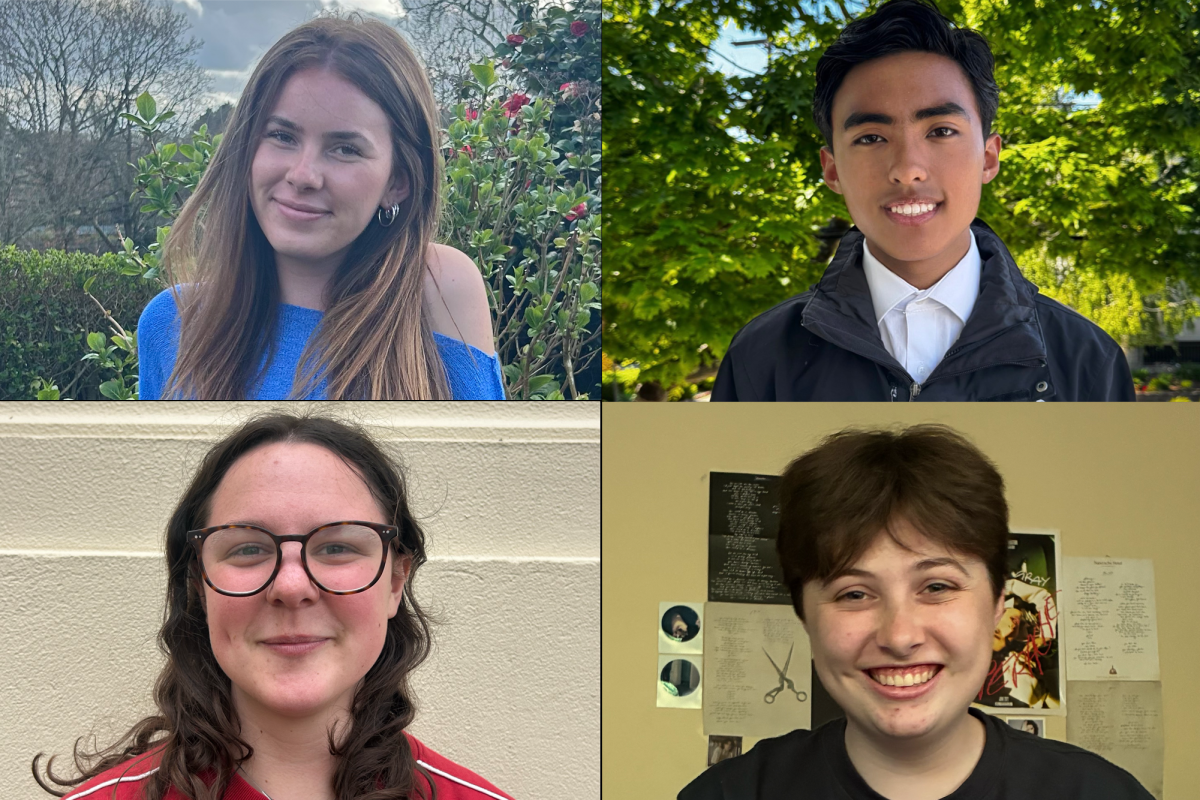
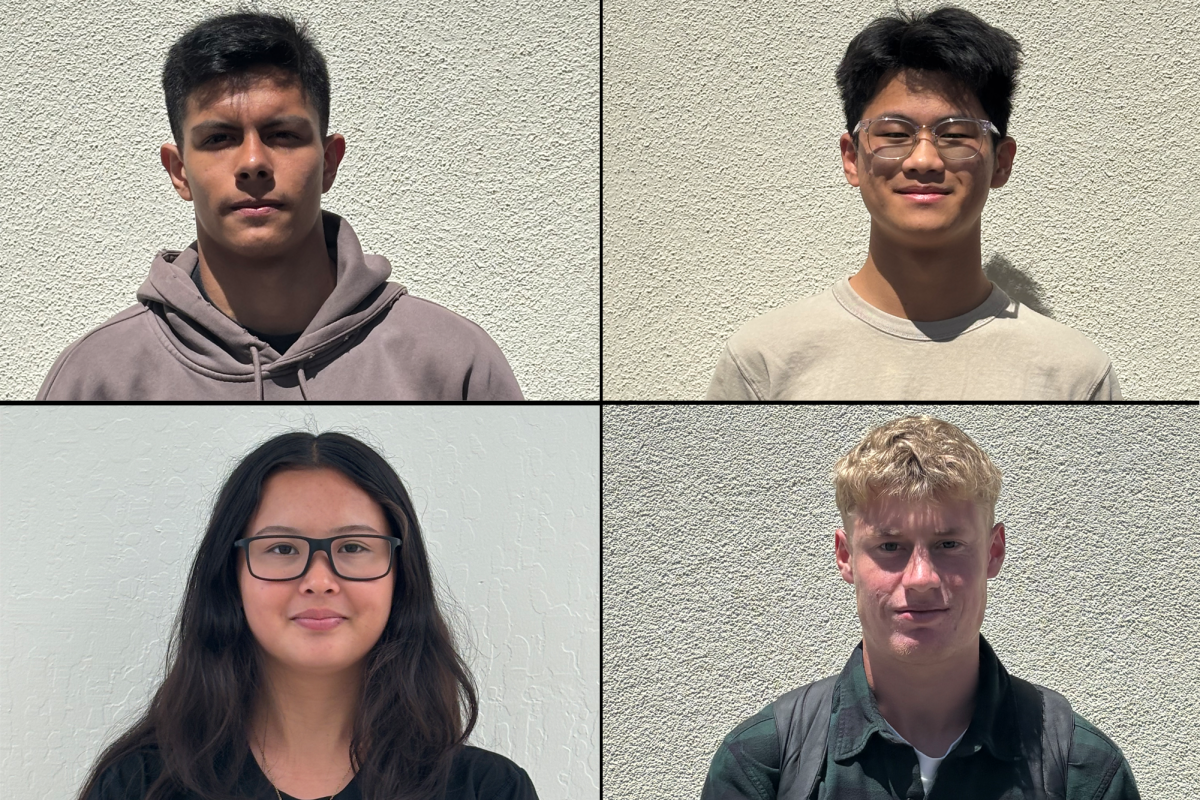
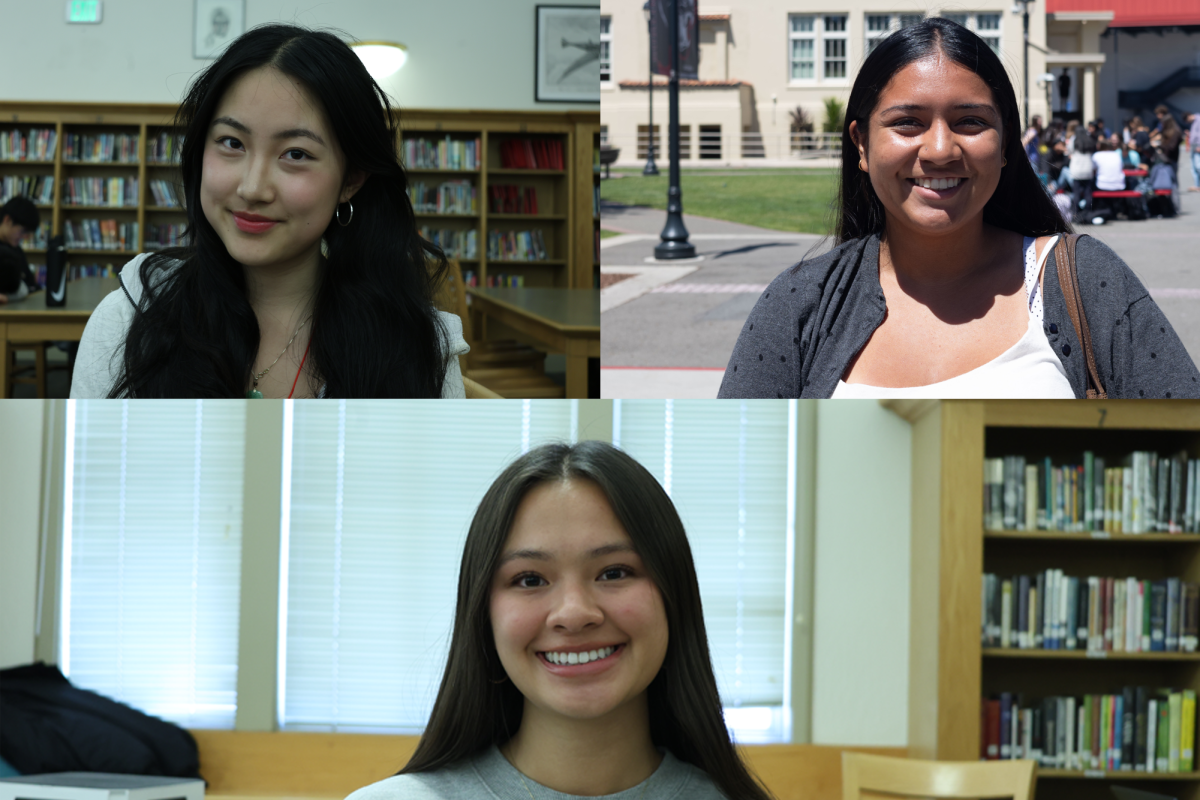
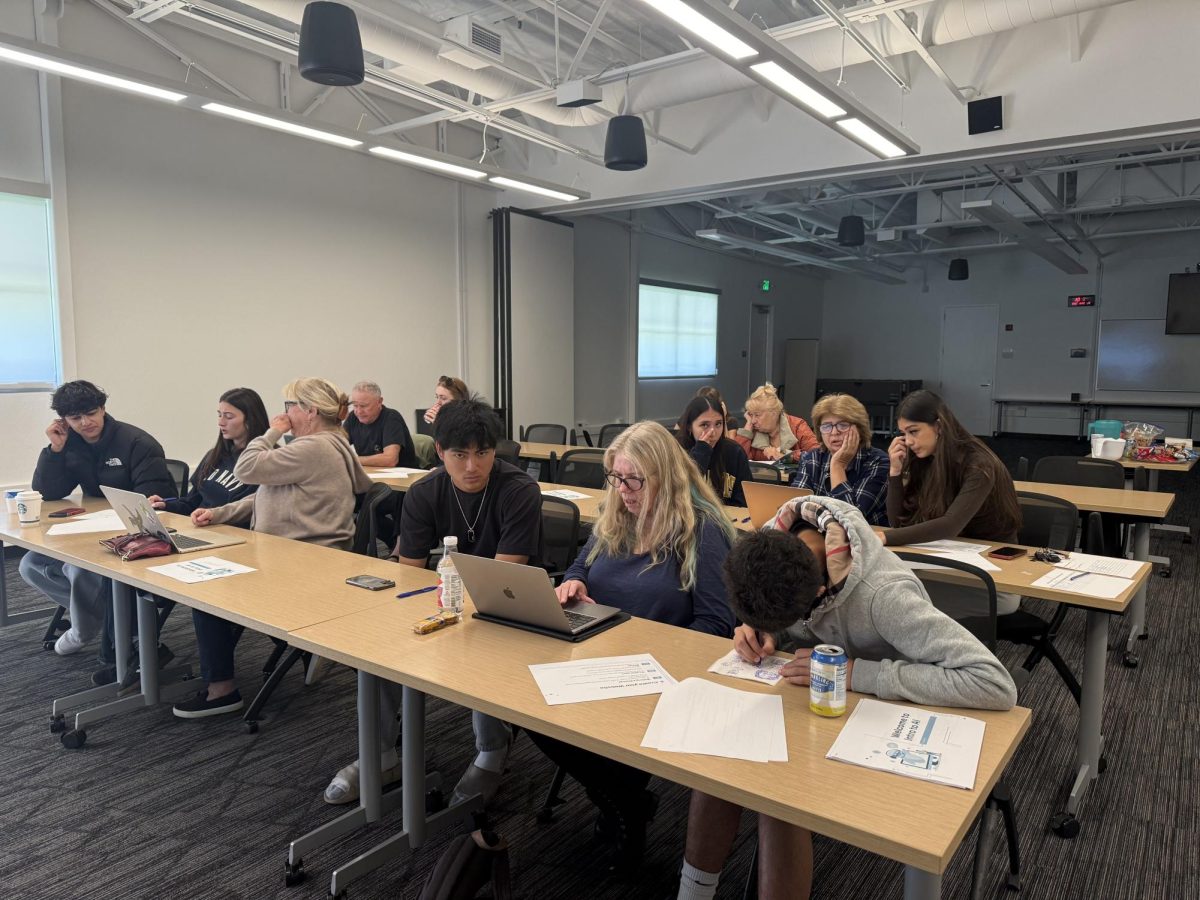






















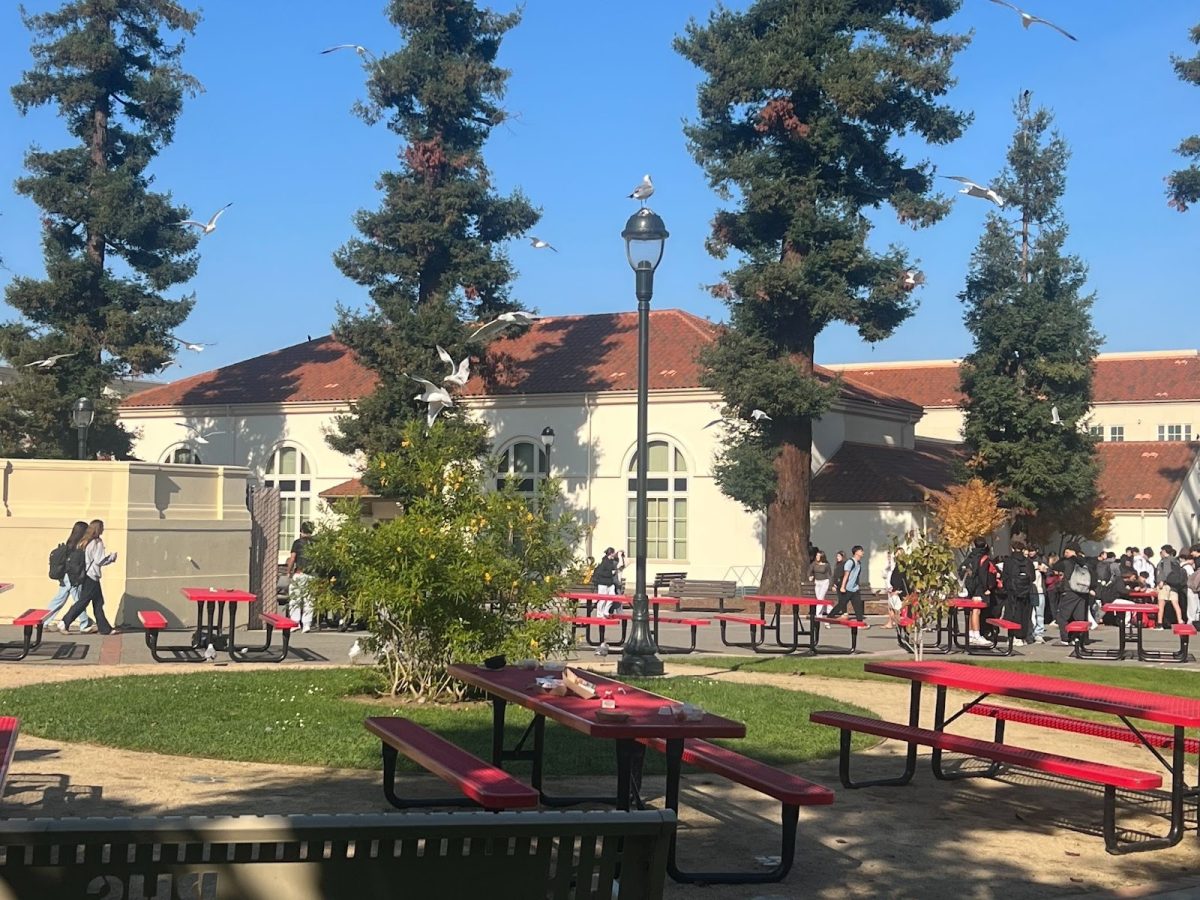
On Tuesday, July 1, the San Mateo Union High School District banned the sale of single-use plastic water bottles on school campuses. The initiative is a small step toward larger sustainability goals, and was led primarily by students in the district.
“It’s awesome for two reasons. One, because it helps maintain a more sustainable campus and helps us reduce our plastic use. And then the cooler aspect of my opinion is that it was a student-led initiative,” Thomas Bennett said, science teacher and advisor for the Burlingame Environmental Club. “Students proposed the idea to the board. Students collected signatures and their petition, and students really made the change. So it’s really nice to see when young people are motivated.”
Senior Rowan Kelly said that although the ban may seem small, it is a step in the right direction and reflects the hard work behind it. While two students, Sydney Chen and Jayden Wan, who campaigned for the ban graduated last year, Kelly said she knew them well and saw their efforts firsthand.
“To some people, it might seem like kind of a small action to be taken. I know the kids who made this ban happen pretty well, and I know that they had to work pretty hard to get this done, because it took a lot of activism,” Kelly said. “They had to create a whole petition and get people to sign on for it.”
Beyond the plastic water bottle ban, Kelly said she believes the school has made progress on sustainability with the implementation of new solar panels.
“We have the new solar panels, and I think in the future, there will be electric vehicle chargers, but I think there’s a lot that can be done to reduce our school’s reliance on greenhouse gas emissions, like gas appliances,” Kelly said.
According to chemistry teacher Michael Wu, advisor for the Burlingame Conserve 2 Preserve club, sustainability is important because the environment has a limited amount of resources in the environment.
“Nothing is created or destroyed. So we were only given a certain amount of materials. So it’s on us to use it responsibly and sustainably, because eventually we are going to run out of things,” Wu said. “Not in the near future, but eventually we will run out of things. So again, I think it’s very important for the current generation to be sustainable in order to support future generations.”
Although Wu said sustainability is being discussed more often, he still notices waste on campus, including trash left on the floor after lunch. He said both students and the school could be more conscious of sustainability.
“They would dump the recycling in the trash, in the same bin at the end, so that was kind of counterproductive to recycle. So I think that is an issue in that, if students are taking the effort to recycle, I think whoever’s in charge should also take the effort to recycle,” Wu said. “But other than that, I think from when I was in school… you all as students are just so much more conscientious as a student body than mine was.”
Building on that idea, Burlingame Environmental Club president and senior Alexandra Rivas said she believes environmental conservation matters for society’s progression. She explained that because of rising consumerism, people should make sure the items they purchase and use do not harm the environment. Although she is happy with the steps the district has taken to make the school sustainable, more could be done to make school lunches environmentally friendly.
“If there’s a way to get us to start using clear plastic instead of black plastic, which is something that can’t be recycled, I think that’s pretty cool,” Rivas said. “But I know that to get these changes in the cafeteria, it’s much more than just a site thing. It’s like a district thing, which is why it’s so hard to get it going. But I feel we can get changes implemented.”
According to Rivas, change can be as simple as using reusable utensils or encouraging more students to bring their own lunch to school. Despite its simplicity, she said students are often resistant to the idea of sustainability because they do not experience the consequences of climate change firsthand. To create meaningful change, they must first be educated on the topic.
“If people open their minds up more to it, and they understand how important the issue is, then they’ll be able to do more to change their lifestyle,” Rivas said. “I don’t think that people can make changes without really understanding why they’re doing it.”
Beyond individual efforts, Bennett said he believes that environmental clubs can also have a positive impact. He is the advisor for the Burlingame Environmental Club, which organizes beach cleanups and spreads awareness.
“We try to have an actual impact on sustainability, and one way that we do that is through beach cleanups. And so we hosted a few of them, and we get a pretty good turnout, and go up and pick up trash,” Bennett said, “We also try to spread information and awareness about sustainability, and we host an annual film fest where the whole community is invited to submit, like three to five minute films, and we get elementary, middle and high school submissions.”