
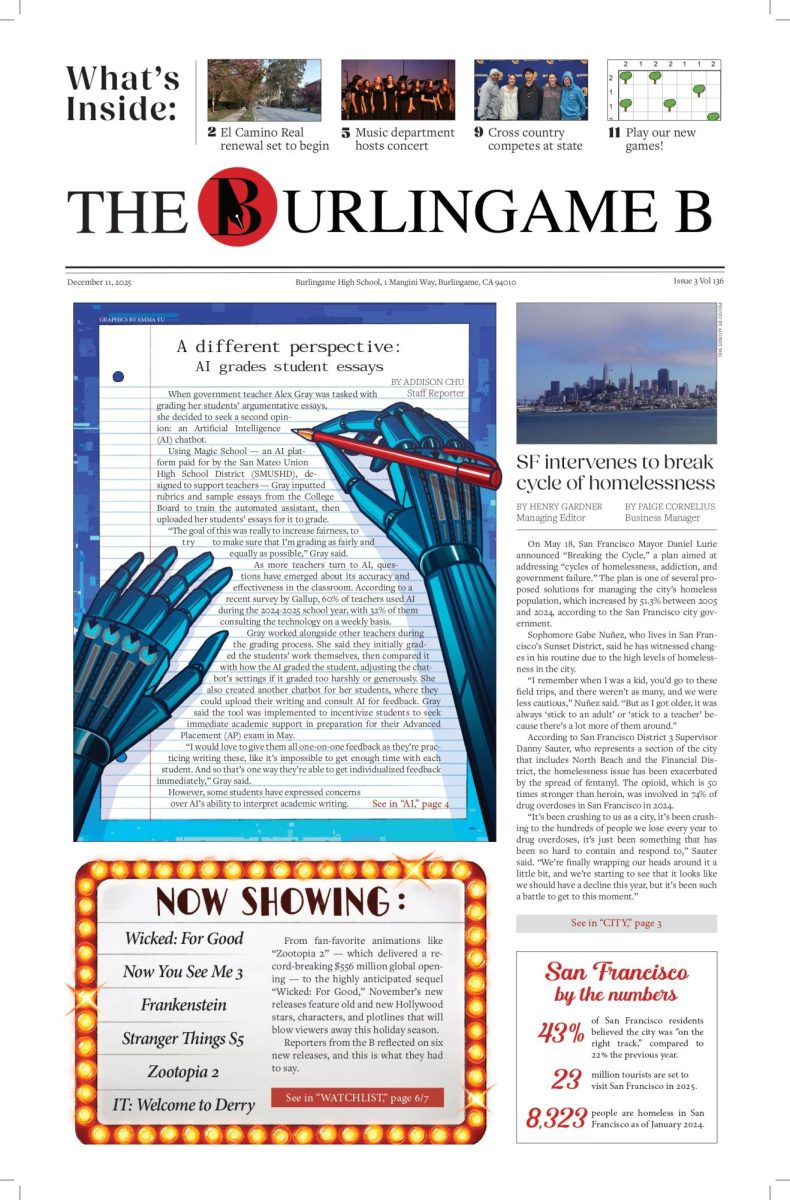







































On May 18, San Francisco Mayor Daniel Lurie announced “Breaking the Cycle,” a plan aimed at addressing “cycles of homelessness, addiction, and government failure.” The plan is one of several proposed solutions for managing the city’s homeless population, which increased by 51.3% between 2005 and 2024, according to the San Francisco city government.
Sophomore Gabe Nuñez, who lives in San Francisco’s Sunset District, said he has witnessed changes in his routine due to the high levels of homelessness in the city.
“I remember when I was a kid, you’d go to these field trips, and there weren’t as many, and we were less cautious,” Nuñez said. “But as I got older, it was always ‘stick to an adult’ or ‘stick to a teacher’ because there’s a lot more of them around.”
The homelessness issue has been exacerbated by the spread of fentanyl, according to City Supervisor Danny Sauter, who represents a section of the city that includes North Beach and the Financial District. The opioid, which is 50 times stronger than heroin, was involved in 74% of drug overdoses in San Francisco in 2024.
“It’s been crushing to us as a city, it’s been crushing to the hundreds of people we lose every year to drug overdoses, it’s just been something that has been so hard to contain and respond to,” Sauter said. “We’re finally wrapping our heads around it a little bit, and we’re starting to see that it looks like we should have a decline this year, but it’s been such a battle to get to this moment.”
Sauter added that as San Francisco has grown, the cost of living in the city has rapidly increased. San Francisco’s median rent is $3,065, making the city the most expensive city in the United States for renters, according to SF Gate.
“We have not been building enough housing to keep up with all of the demand, all of the job growth here, and all of the people that want to and need to move here,” Sauter said. “Because of that, we’ve seen the cost of living and the cost of housing in particular skyrocket.”
Juniors Beckett Johnson, Niko Boyanov, and Colby Dang said the city’s struggles with homelessness inspired them to start the Community Uplift and Outreach Club. The club focuses on alleviating homelessness through fundraising and donations. Members go door to door in Burlingame to collect money, which they use to purchase food for San Francisco’s homeless population.
“I would say there’s a lot of gratitude, especially when we walk up and offer food. A light kind of turns on in their eyes, and it’s the same thing going around,” Johnson said. “When business owners or people on the street see us doing it, they’re grateful not only that we’re helping out the community by feeding the homeless, but that we’re doing it by our own volition.”
Johnson, Boyanov, and Dang are not the only ones working to improve the city. Jack Hebb, communications director for City Supervisor Stephen Sherill said the city government has implemented initiatives to reduce crime and homelessness. Along with the “Breaking the Cycle” vision, the city created the Coordinated Entry system to “prioritize and match people experiencing homelessness to housing opportunities,” according to the San Francisco government.
“We created a priority list of the highest need individuals whose situations are the most urgent and whose behavior most impacts the community,” Hebb said. “The list of these high-need individuals guides our outreach teams, the public health workers, and SFPD, so we’re not wasting resources.”
Daniel Montes, the communications manager for the San Francisco Department of Parks and Recreation, said the city has experienced growth in public spaces and events.
“Park space has actually increased in the last few years… that’s definitely all part of the comeback,” Montes said. “Live music in our parks is another component of that. That adds a more fun, lively atmosphere, and it brings people from other places to San Francisco.”
A 2024 survey conducted by Sonoma County Tourism found that 42% of respondents believed San Francisco’s “woes” made them less interested in visiting the area. Johnson said that despite investments to improve the city, San Francisco still struggles with a poor reputation and national media scrutiny.
“There’s been a large stigma around San Francisco due to the homeless population increasing,” Johnson said. “And a lot of tourists are very scared of here, even people from California who aren’t from San Francisco or the Bay Area, and I think that’s a very negative portrayal of the city.”
Math teacher and San Francisco resident Jennifer Feldis said the city has an unfair reputation in the media.
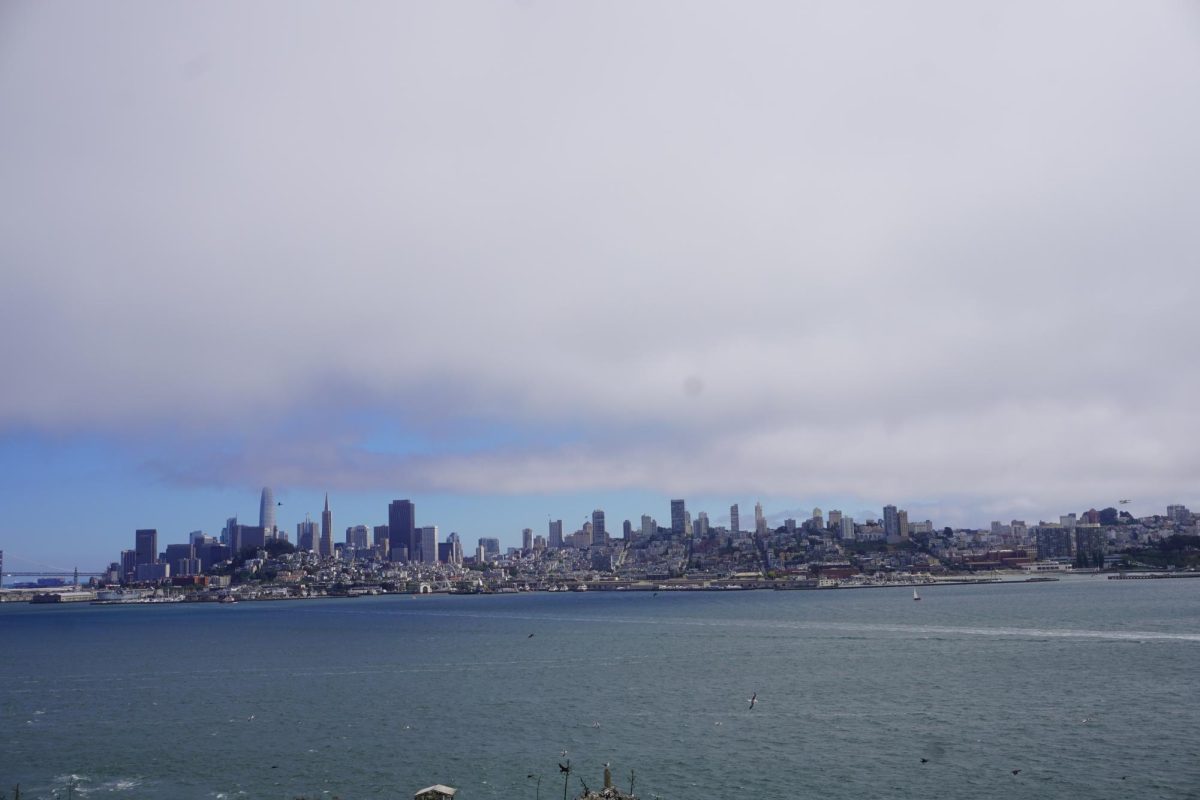
“I love it. I think it’s beautiful. I think it’s iconic. There’s the bridge, there’s Coit Tower, there’s amazing areas,” Feldis said. “But I think the homeless issue has been the widespread thing the newspapers love to print about, but I don’t know that that’s necessary. It doesn’t characterize the whole city. It characterizes one part of it.”
While the city’s struggles have not subsided, San Francisco’s public reputation is recovering. A poll conducted by the San Francisco Chamber of Commerce in February 2025 showed that 43% of San Francisco residents believed the city was “on the right track,” compared to 22% the previous year.
“We’ve had problems in the city, but we’re turning things around,” Sauter said. “We’re seeing optimism rise and people’s belief in our city rise. “It feels so good, because that is so much of what our city is: the belief that you can come here and make a better life, the belief that you can invent a future here. I think we’re all starting to feel like that again.”