
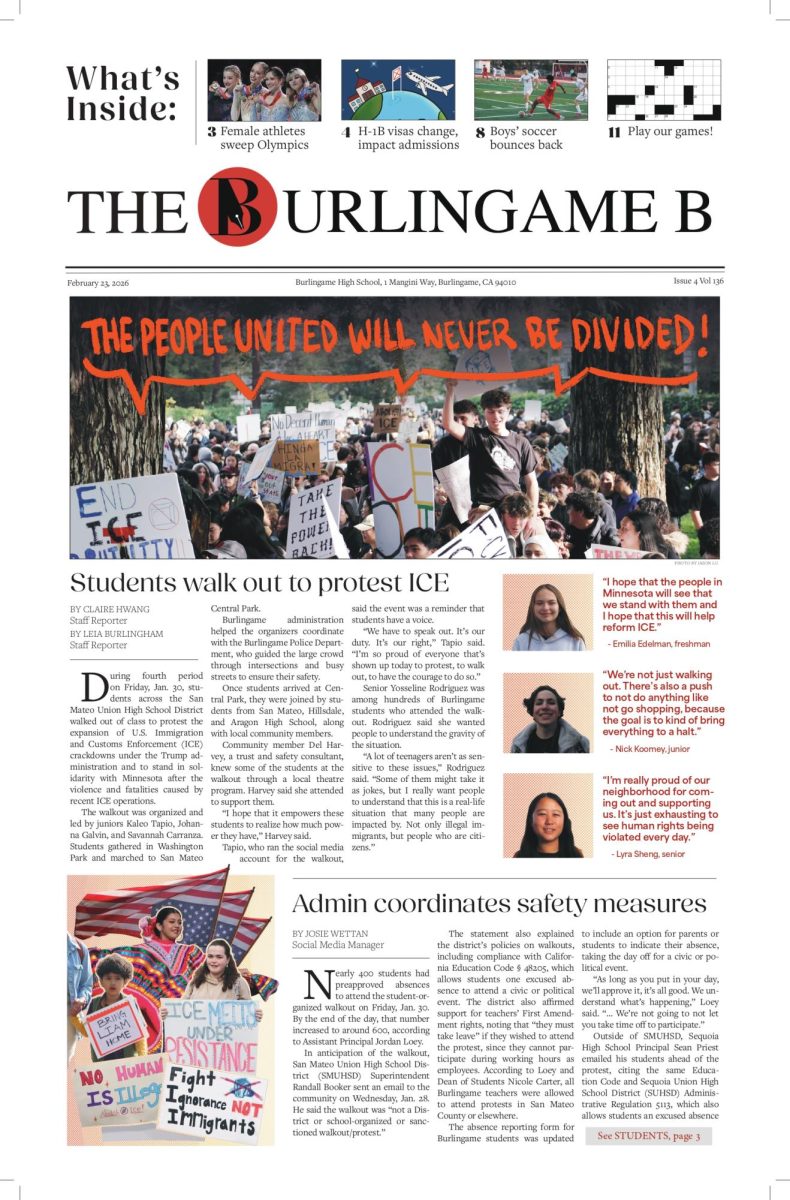
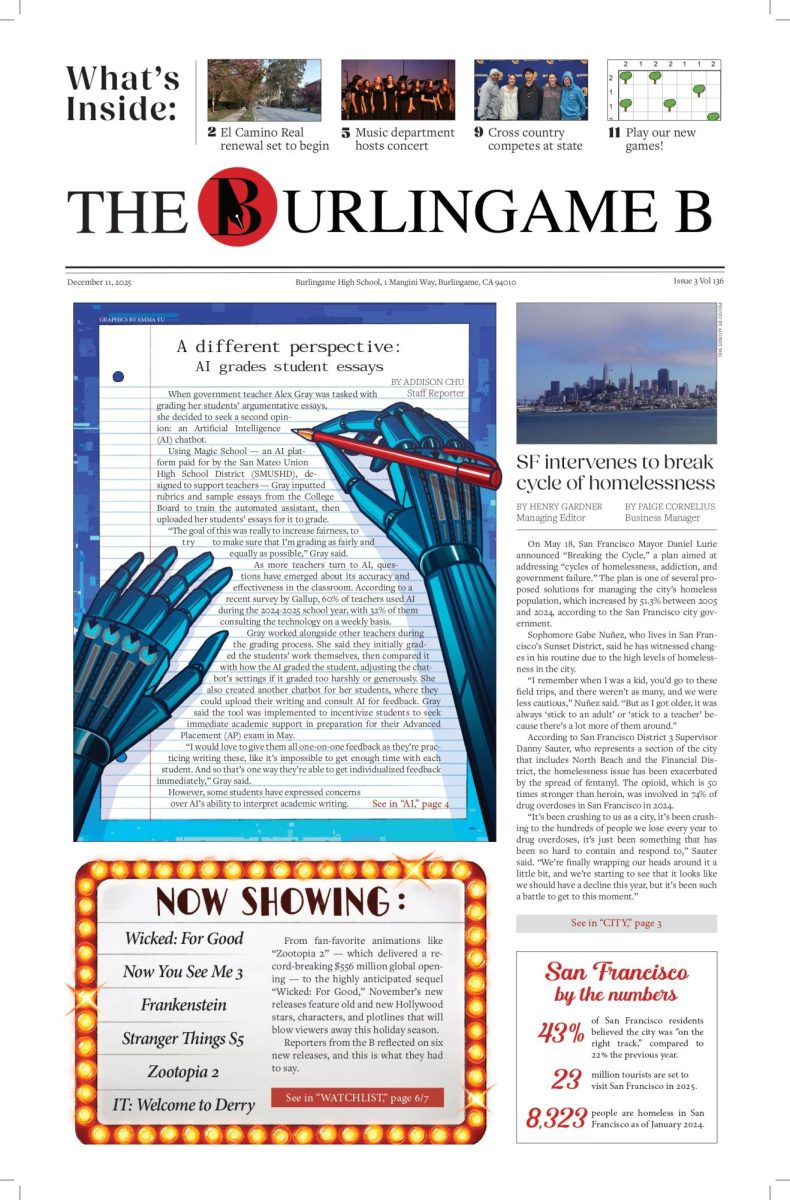



























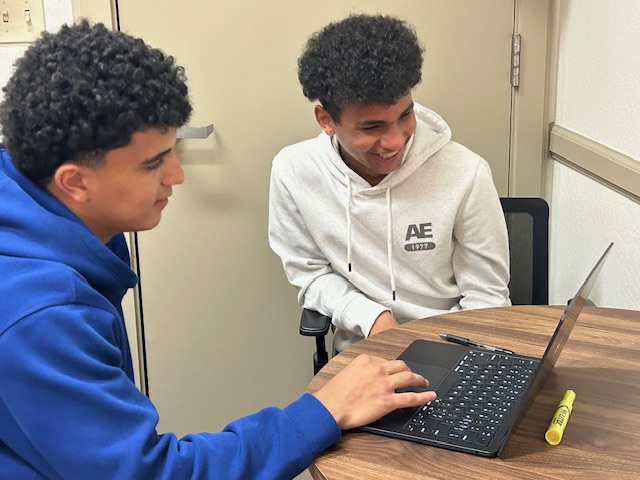








As more and more students use social media to communicate, questions arise about whether virtual interactions can fully replicate the spontaneous interactions when meeting someone face-to-face.
According to video and game design teacher Henry Francisco, students today communicate very differently than his generation did.
“From what I’ve observed from younger people and students, I think they’re more comfortable in communicating through online venues, online spaces,” Francisco said. “There’s more of a comfortability there… I think my generation, and I don’t mean to speak for every individual, but we tend to navigate towards more of a human connection versus online.”
Junior Saahil Padwal’s experiences reflect that idea. He noted that online communication is more effective than in-person conversations.
“Communicating online is more efficient than physically because when you communicate with someone physically, you can go on different tangents,” Padwal said. “If you want to only ask them about one thing, then it kind of gets awkward after you’re done asking.”
However, some students describe their experiences differently. Sophomore Zach Sanchez, who plays various video games such as Call of Duty, Hell Divers, and Grand Theft Auto 5, said his online interactions often lack the authenticity of in-person interactions.
“In-person interactions are probably a little more real, a little more emotional,” Sanchez said. “They’re a lot more less superficial. In my opinion, whenever I’m talking to someone online, it doesn’t really feel like I’m talking to them. It just feels like I’m talking to maybe an AI, or just like some random computer system on the game.”
Interventionist counselor Ted Brugman echoed that sentiment and said there is an innate human need for face-to-face interactions. Research supports this idea: on average, virtual interactions produced significantly less activity in areas of the brain associated with social interaction than in-person interactions, according to researchers at Yale.
“As human beings, we yearn to connect with one another, and that’s why social media is so addicting because we’re just yearning to connect with other human beings,” Brugman said. “But that interaction does fall short, and that can be a really frustrating experience.”
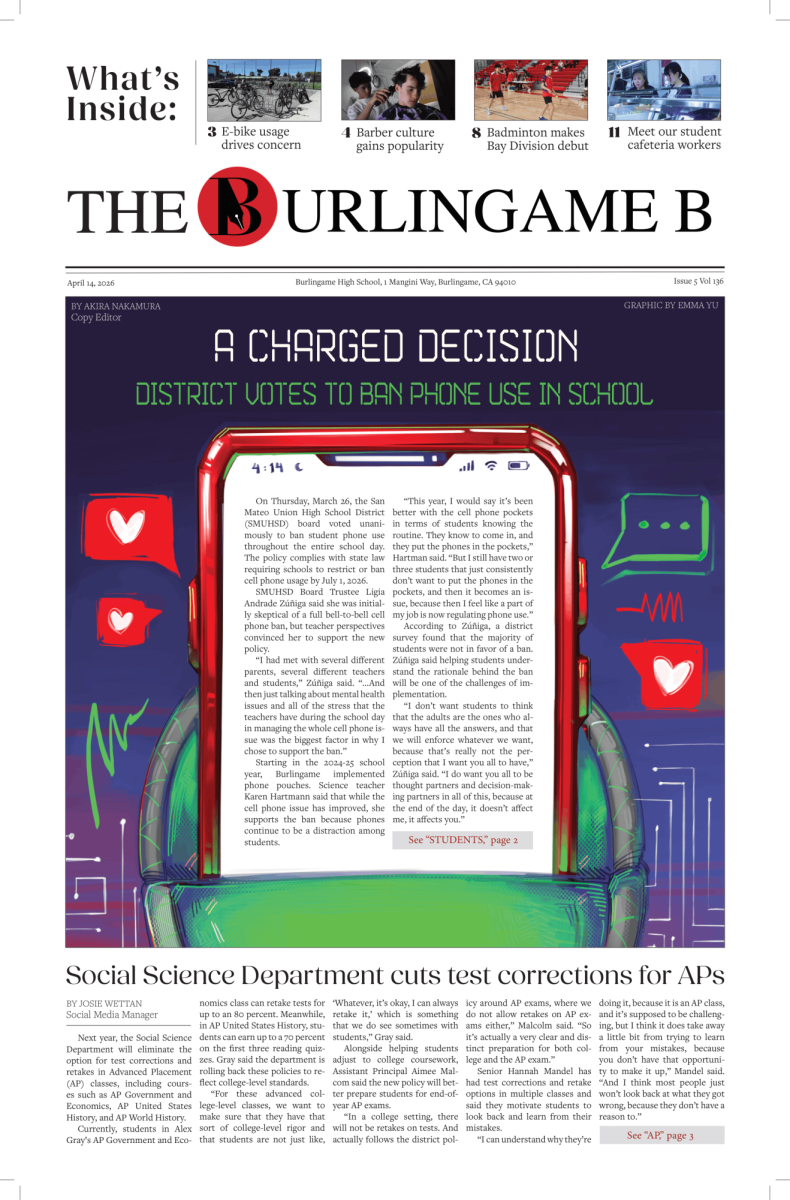
For Brugman, the anonymity in online conversations can also lead to unintentionally hurtful behavior. According to the U.S. Surgeon General’s Advisory, 64% of adolescents are often exposed to hate-based content, and 46% of adolescents ages 13 through 17 said social media made them feel worse about their body image. The source also stated that adolescents ages 10-19 are in a sensitive period of brain development, and hurtful social pressures can affect the amygdala — which is responsible for emotional learning and behavior — and the prefrontal cortex — which manages impulse control, social behavior, and emotional regulation.
“When you expose yourself to all those things, you can’t help but absorb these things,” Brugman said. “Even if you’re sort of conscientious, ‘I know I can’t do all these things. I know these things aren’t necessarily good.’ We absorb things unconsciously… that does have a tendency to make folks, especially young people, who are carving out their identities, feel less than.”
According to Brugman, students may feel compelled to take on different identities when interacting online. He referenced Anxious Generation by Jonathan Haidt, which argues that the restrictions of meeting in person can lead students to interact more online.
“His theory is that the combination of restrictions in the outside world and open gate with the digital world increases mental health challenges with young people,” Brugman said. “From my perspective, the biggest piece is its impact on our attention span. I think it’s interesting, it’s this really addictive thing. Now we have so many people on this earth right now that are really struggling with what we might call digital addictions.”
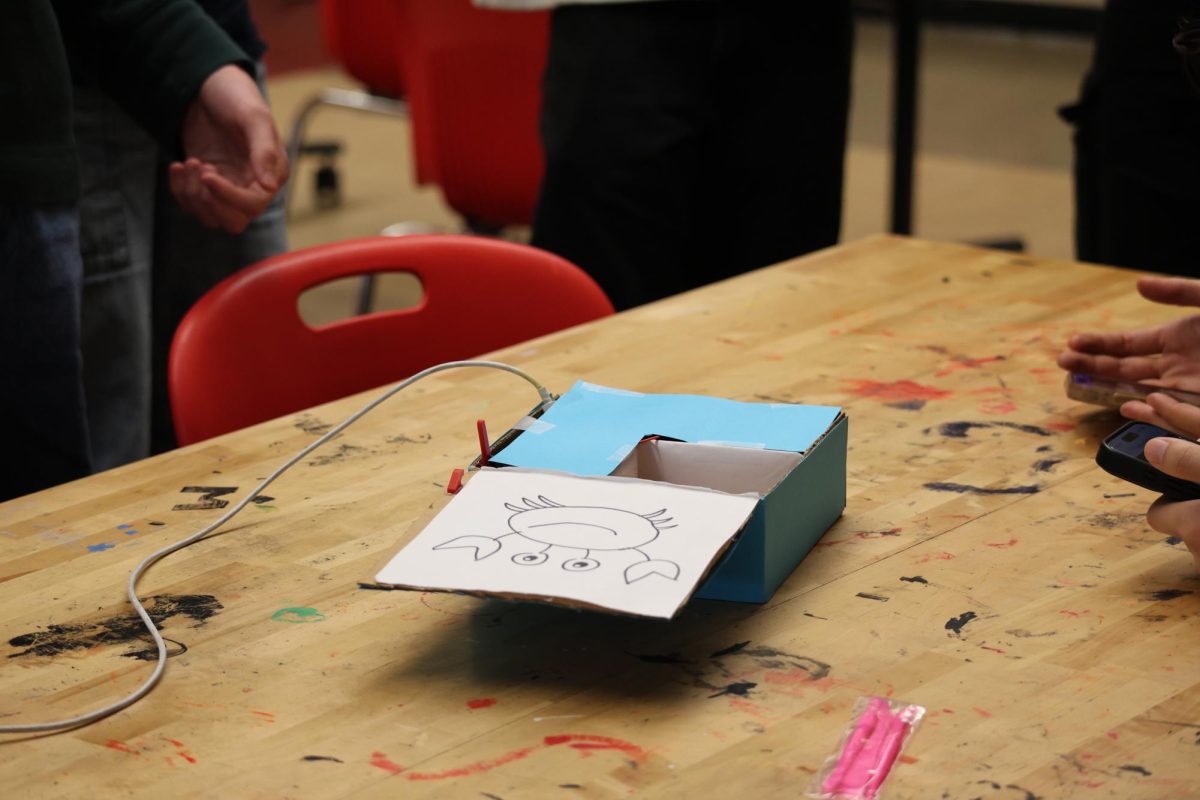
While working virtually in 2020, Francisco noticed a loss in interactions in the office during creative team collaboration, as familiarity with virtual communication reduced human connection. He said human interaction will continue to thrive even amid rapid advancements in technology.
“Human to human and individual to individual, we are learning how to navigate those different terrains in person — whether they are positive or negative things,” Francisco said. “We’re learning how to navigate rather than typing something online and hiding behind the screen…Human interaction is not disappearing already, but technology is booming at a very fast pace.”