


















Warning: this review contains mild spoilers.
Some movies keep you entertained. Others leave you staring at the credits, replaying every scene in your head. “The Housemaid,” based on Freida McFadden’s 2022 bestselling novel, does both, stacking twist after twist until you are no longer sure who to trust.
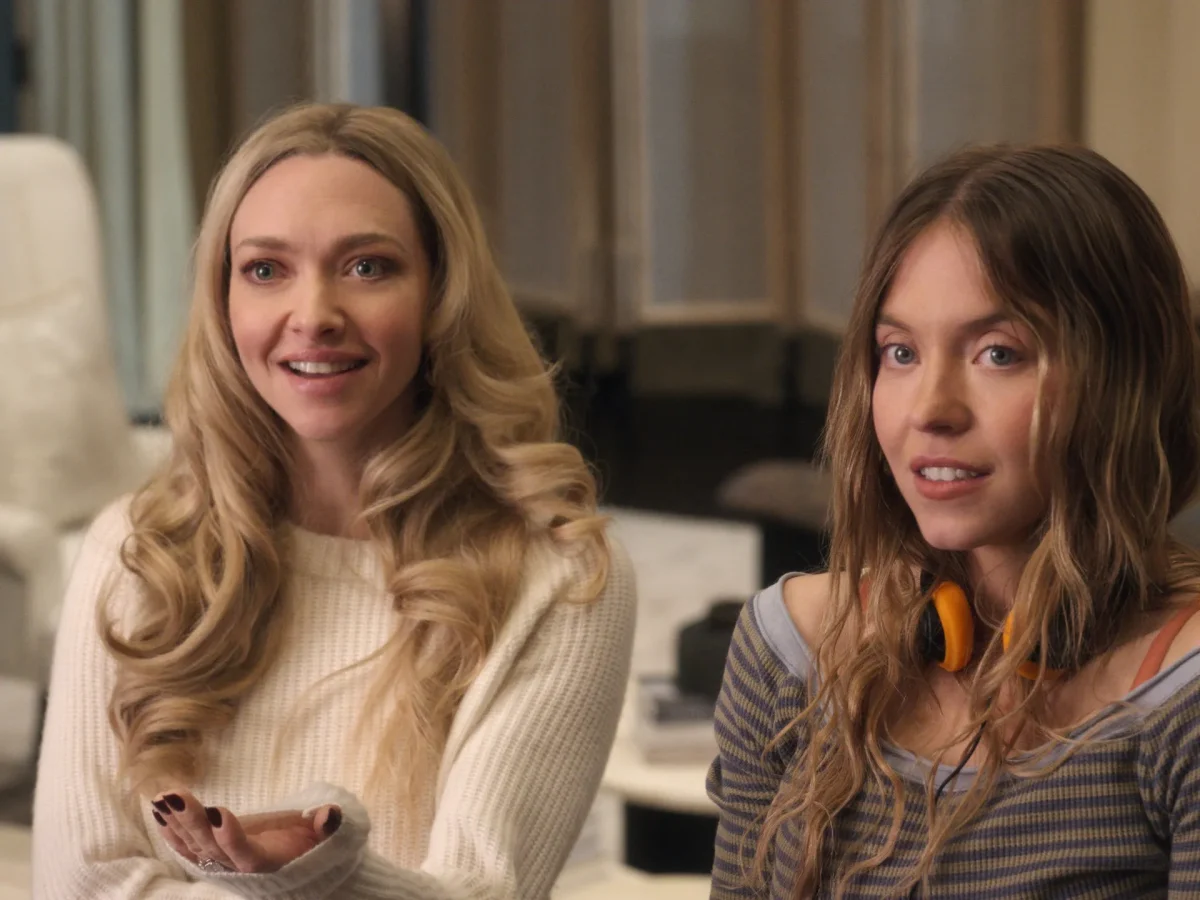
The film follows Millie Calloway (Sydney Sweeney), a woman desperate for a fresh start who takes a live-in housekeeping job with the wealthy Winchester family. At first, the job seemed too good to be true, and it quickly proved that it was.
At the center of the deception is Amanda Seyfried’s character, Nina Winchester. From the moment she appears onscreen, Nina is intentionally framed as unstable with volatile mood swings and erratic behavior, causing the wealthy household to reflect the environment of a psychological warfield. Seyfried does a compelling job of convincing the audience that something is deeply wrong — how could you possibly believe that anyone else was at fault?
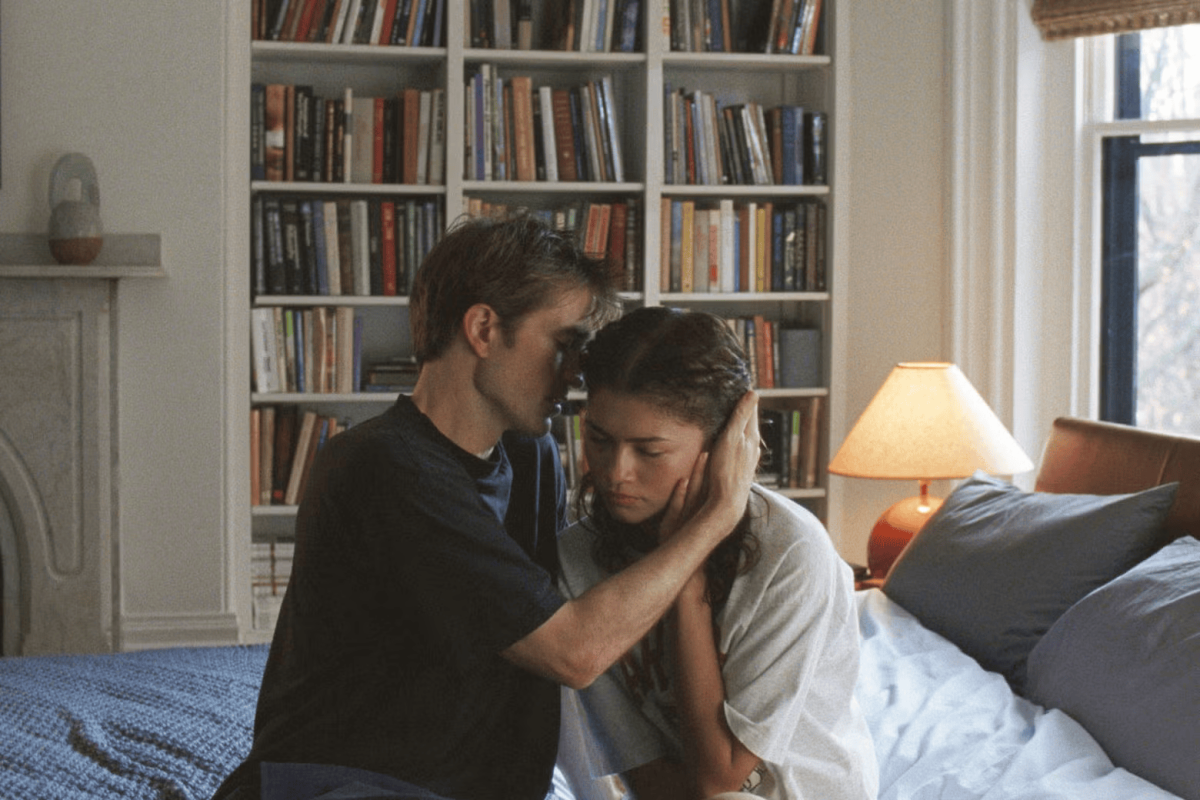
This is when Brandon Sklenar’s calm, charming presence as Andrew Winchester, Nina’s husband, plays a crucial role. With his restraint and polite demeanor masking something far more sinister, Skelnar deserves credit for effectively manipulating both the audience and the world within the film. Through his performance, it becomes easy to accept his narrative as a patient husband handling Nina’s unstable attitude to the best of his ability. Because of that careful manipulation, I found myself genuinely rooting for Andrew and Millie’s relationship, seeing it as a possible escape and even a reward for Millie’s suffering. That illusion is what makes the reveal so disturbing.
When Millie is placed in the same position Nina once was, Sweeney’s performance truly shines. This key moment allows her to shift from being a quiet observer to realizing she’s a survivor, capturing both the terror and clarity of recognizing a pattern of control too late.
Surprisingly, this is also where “The Housemaid” becomes sharply comedic. Lines like Millie asking Andrew to pull out his front tooth are so outrageous, they make you laugh, even as the tension spikes. That unsettling humor is the film’s peak, heightening the absurdity of the situation while making the danger feel more real.
Though I have not read McFadden’s novel, this film has unequivocally convinced me to do so. If the book carries even half of the psychological tension and character complexity seen here, it’s worth picking up.