





















Each year, the Super Bowl raises the same questions: Who will win? Which quarterback will shine? This year, those questions took a back seat. The most talked-about moment wasn’t a touchdown or a controversial play — it was the halftime show.
Puerto Rican rapper and singer Bad Bunny (Benito Antonio Martínez Ocasio) headlined the 2026 Super Bowl halftime show. A six-time Grammy winner with 16 nominations, Bad Bunny was the first all-Spanish-language artist to be Spotify’s most-streamed artist globally, and one of the Times’ top 100 most influential people in 2021. Nevertheless, the announcement generated controversy, driven mostly by political tensions rather than his musical merit.
Bad Bunny has publicly criticized U.S. Immigration and Customs Enforcement (ICE) and excluded the U.S. from his 2025-2026 “Debí Tirar Más Fotos” world tour out of fear that ICE could target his predominantly Latino fan base. He has also opposed ongoing debates of Puerto Rico becoming the 51st state, a stance that some conservative critics view as anti-American.
In response to the National Football League’s selection of Bad Bunny as halftime performer, conservative nonprofit Turning Point USA (TPUSA), founded by Charlie Kirk in 2012, announced on Oct. 9, 2025, that it would host an “All-American halftime show” to celebrate faith, family, and freedom.
On its website, TPUSA directed viewers to a form to voice their preferred genres for the alternative halftime show, including Americana, classic rock, country, hip hop, pop, worship, and “anything in English.” On Feb. 2, TPUSA announced the lineup: Kid Rock, Brantley Gilbert, Lee Brice, and Gabby Barrett.
Republican House Speaker Mike Johnson said booking Bad Bunny was a “terrible decision,” suggesting ‘80s country star Lee Greenwood would have appealed to a “broader audience.” According to Variety, Johnson said, “I didn’t even know who Bad Bunny was, but it sounds like a terrible decision.” In a survey conducted by the B, 92.6% of students reported being familiar with Bad Bunny, compared with the 11.1% who said they were familiar with Lee Greenwood.
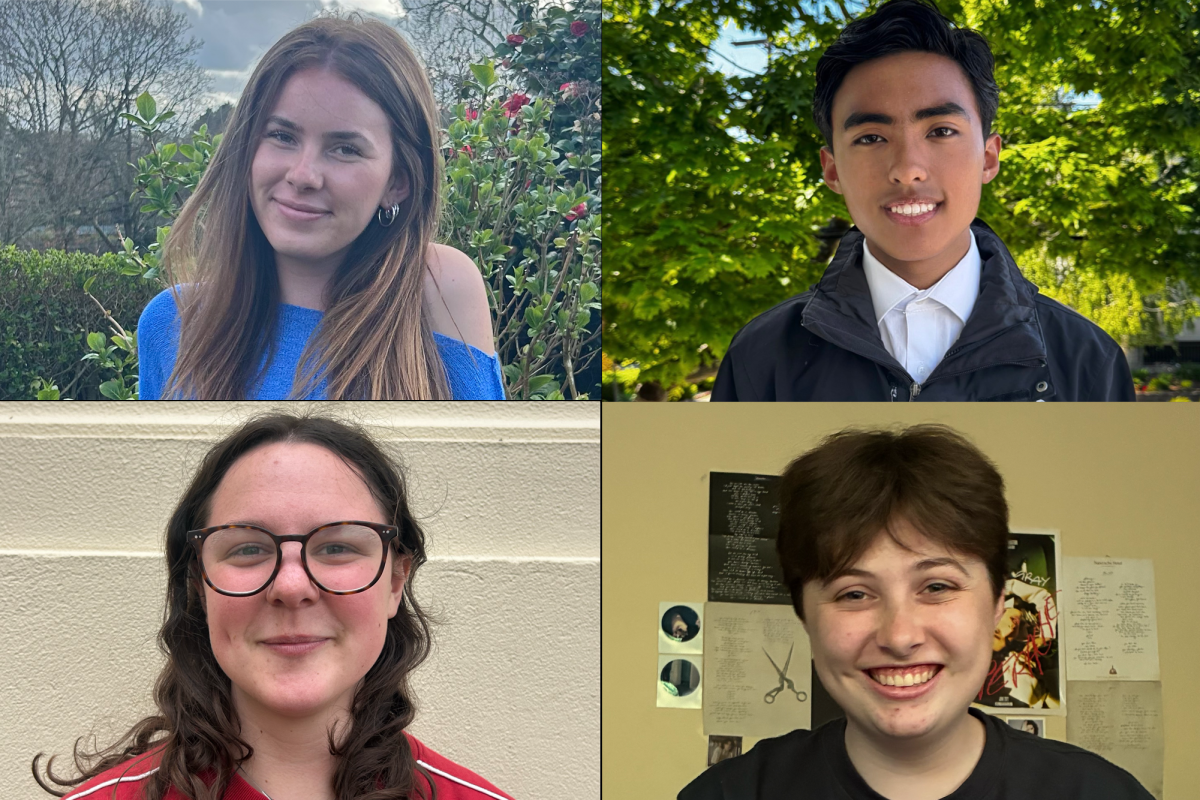
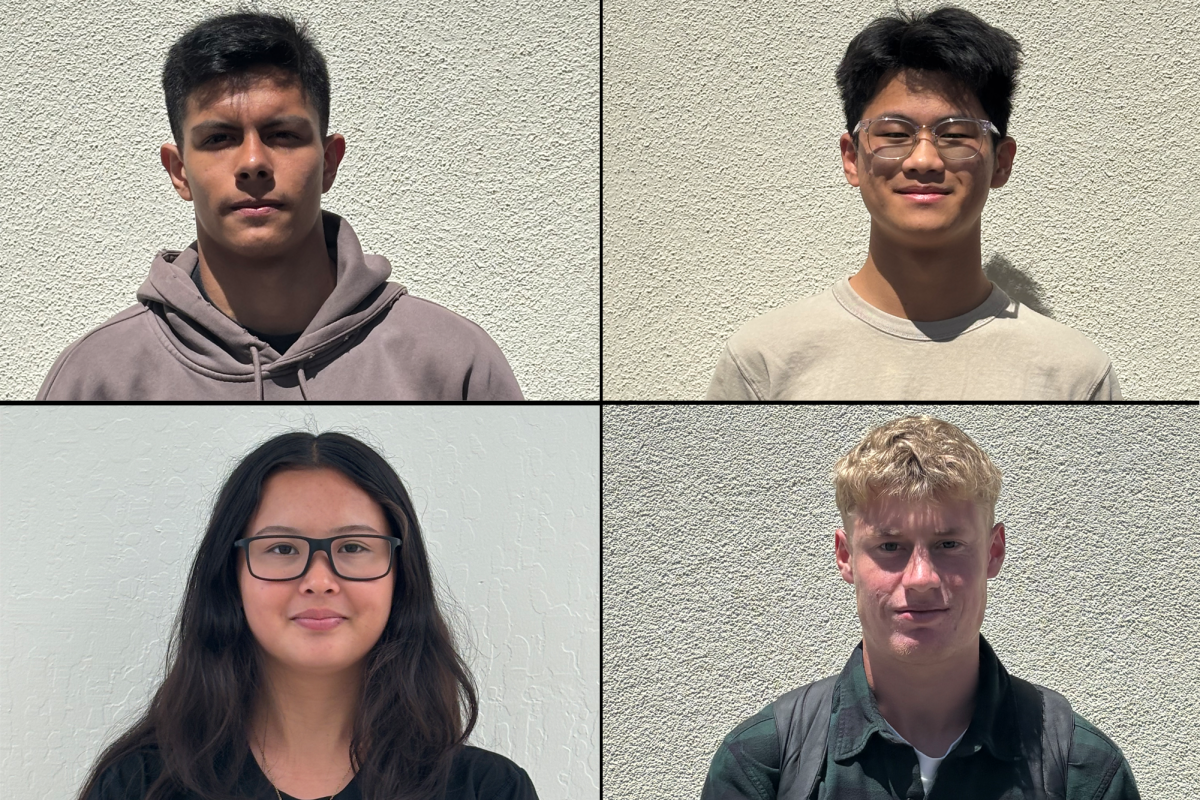
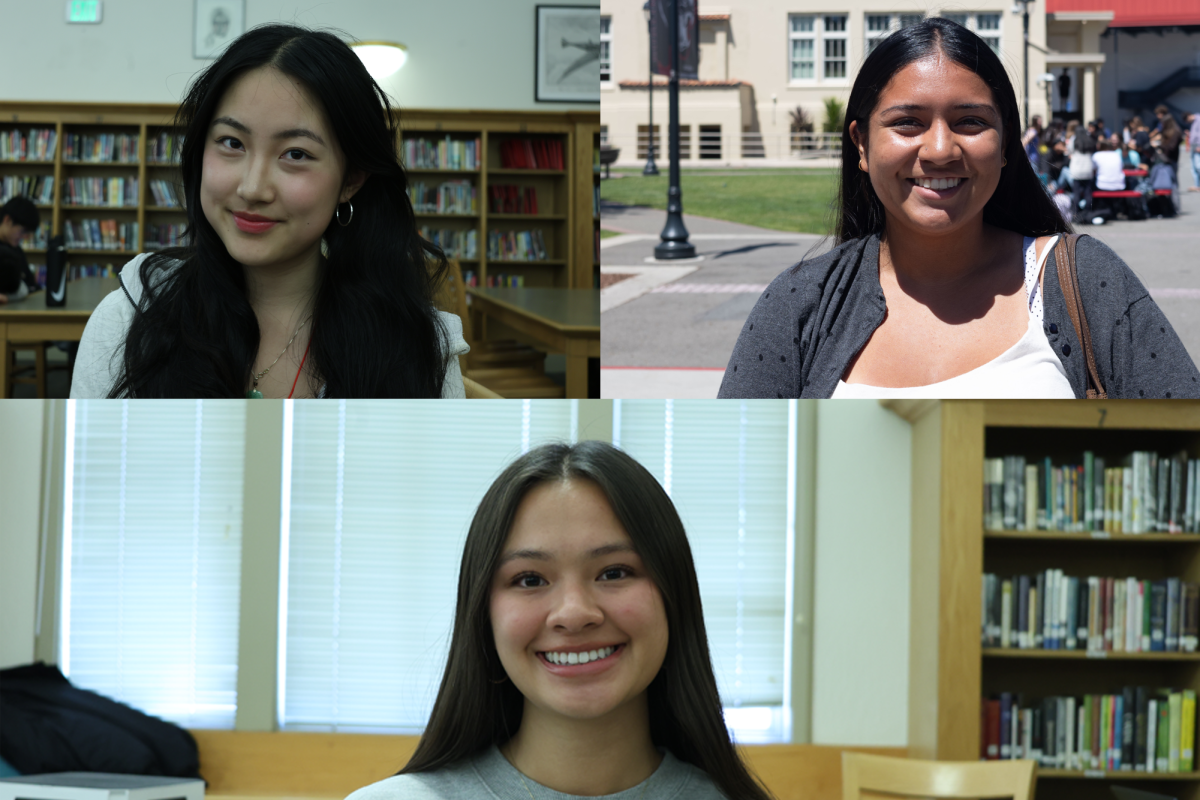
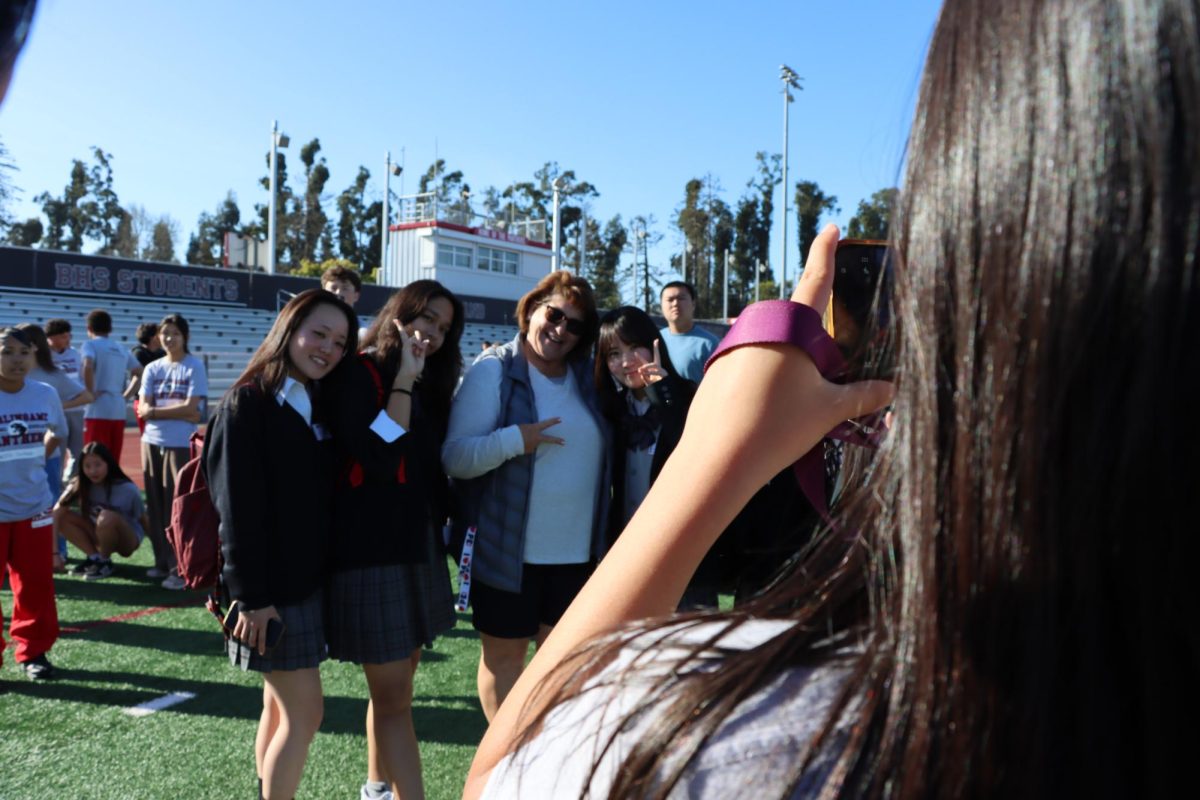
Before the performance, reactions among Burlingame staff and students reflected a range of perspectives on representation and cultural relevance. Spanish teacher Stephen Held described his initial reaction as excitement, noting that the U.S. has a large Spanish-speaking population and musical connections extend beyond lyrics.
“It’s like when Kendrick Lamar raps, or someone else sings. Half the time, I’m not sure what they’re saying anyways. Of course, there’s lyrics, but it’s also the rhythms, the beats, how it makes you feel — it’s beyond,” Held said. “It feels like people are trying to make everything political when it feels like it doesn’t need to be.”
Senior Mia Robelo was initially unaware of the TPUSA halftime show and said she was confused about its necessity.
“I just don’t think it really matters. There’s so much diversity, especially since the Super Bowl is in California, so I feel like it shouldn’t be a problem if there’s Spanish music,” Robelo said. “Spanish music is enjoyed throughout all of America.”
Robelo also noted that audience familiarity with and approval of performers can vary across generations and among different groups of listeners.
“I bet last year a lot of people didn’t know Kendrick’s music as well. So I feel like it really depends on if you like the person or not,” Robelo said. “I listen to Bad Bunny, but that doesn’t mean my mom listens to him. It doesn’t have anything to do with race, just how you like the music.”
Despite the debate leading up to the game, the halftime performance shifted the conversation to the show’s overall message.
“He included almost more people in our country than I think many other artists would,” junior Ellie Warner said. “Because there are a lot of people living here who aren’t usually included in being a part of our country, and they’re very important to our country.”
Warner said this year’s halftime show exceeded her expectations, noting that its final message emphasized unity.
“I really liked the message at the end, when it said, ‘The only thing more powerful than hate is love.’ I think that’s just such an important message to be sending, especially during this time,” Warner said. “I feel like it especially shows how people shouldn’t have been mad about Bad Bunny performing at the halftime show. He’s singing, and he’s trying to bring people together, he’s not trying to push people apart.”

