
























Latino rights activist and United Farm Workers (UFW) co-founder César Chávez helped improve pay and working conditions for thousands of farmworkers throughout the 1960s. However, recent sexual abuse allegations against Chávez have prompted changes across the San Mateo Union High School District (SMUHSD) and beyond.
According to a public message from State Superintendent of Public Instruction Tony Thurmond, the California Department of Education is supporting a statewide shift in curriculum toward the broader farmworkers movement. In line with that shift, Governor Gavin Newsom signed a bill on March 26, renaming “Cesar Chavez Day” to “Farmworkers Day.”
SMUHSD took a similar approach, revoking its “César Chávez Proclamation,” which recognized March 31 as a day to celebrate Chávez.
“The superintendent sent out a message to staff to indicate that we were pulling [the proclamation] and indicating that we’re working on it from a curriculum standpoint,” SMUHSD Assistant Superintendent of Curriculum and Instruction Julia Kempkey said.
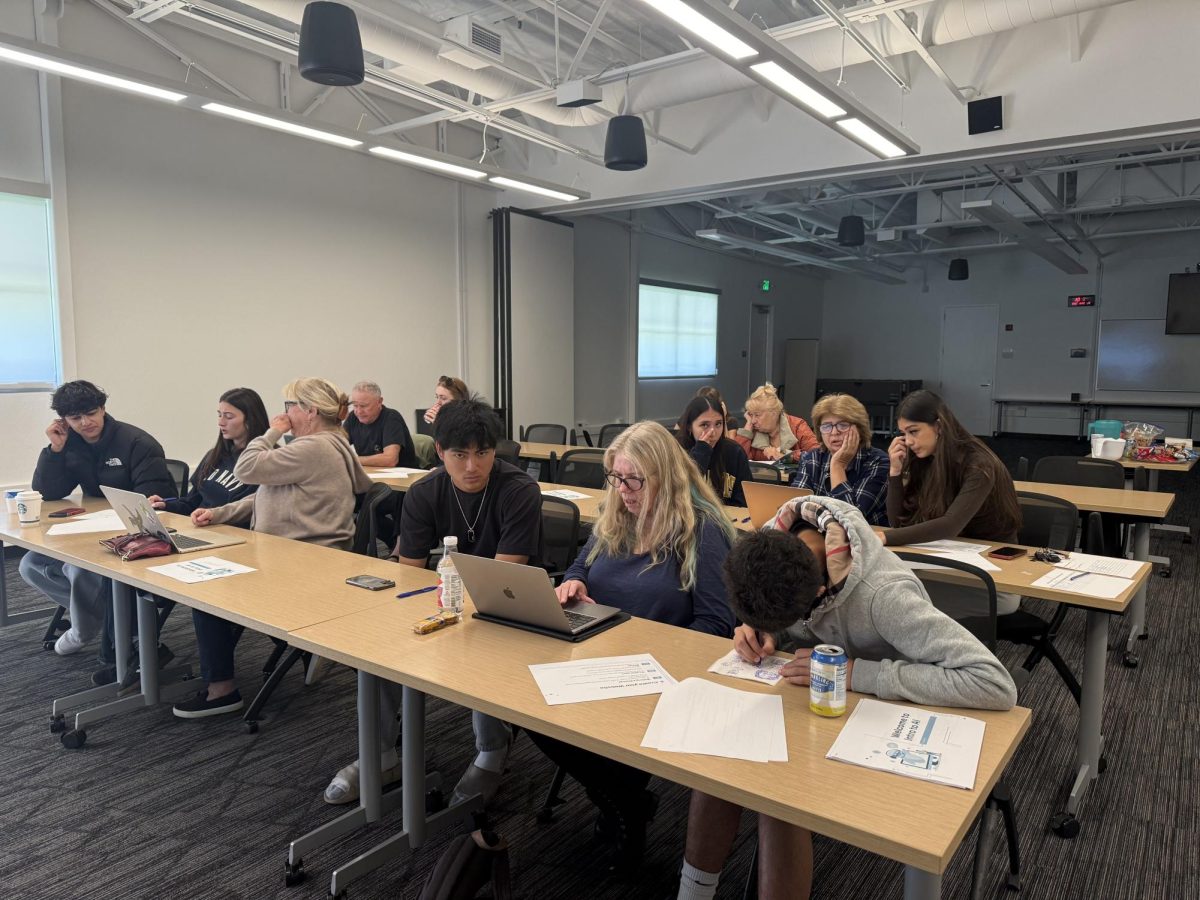
The district will meet on Tuesday, April 7, with social science department heads across schools to discuss curriculum updates. While the district provides general course guidance, Kempkey said that teachers have flexibility on how specifically they address topics.
“You have to approach it by being sensitive to the fact that it’s kind of a paradigm shift for people to have this new information come to light,” Kempkey said. “It’s disturbing. I think that’s part of what teachers will talk about in class.”
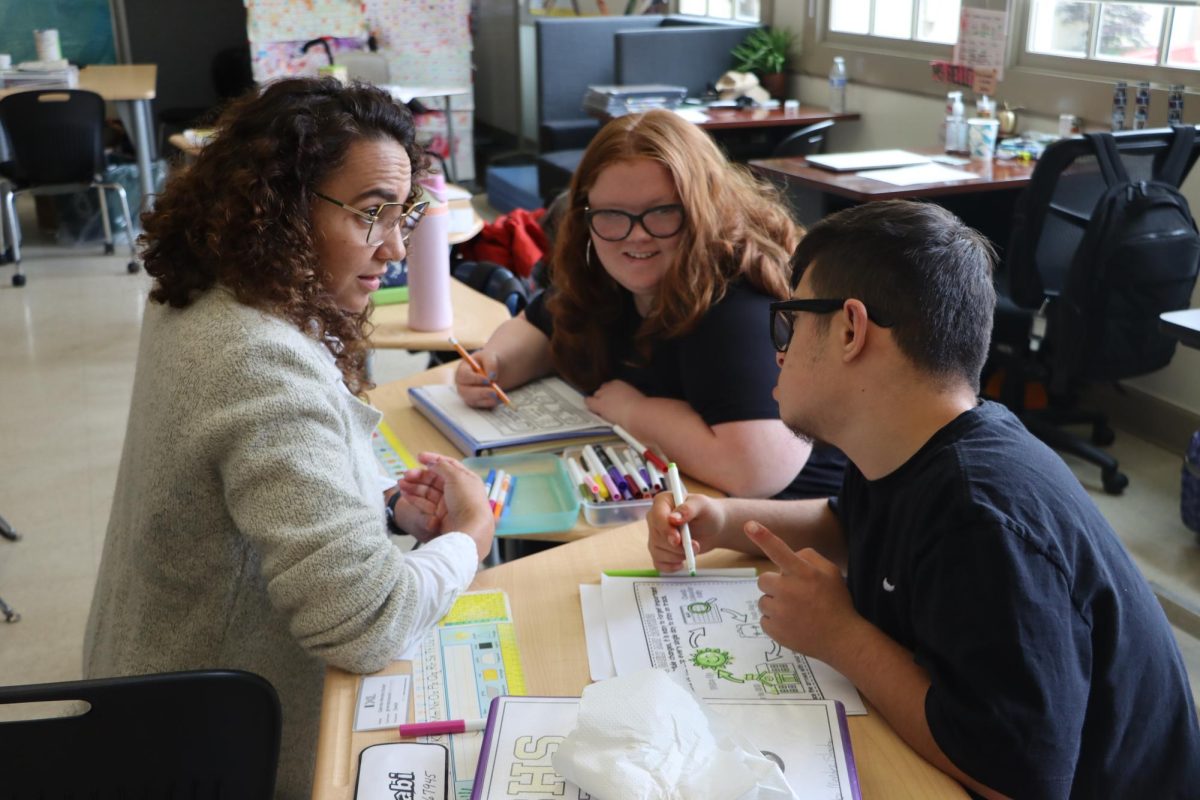
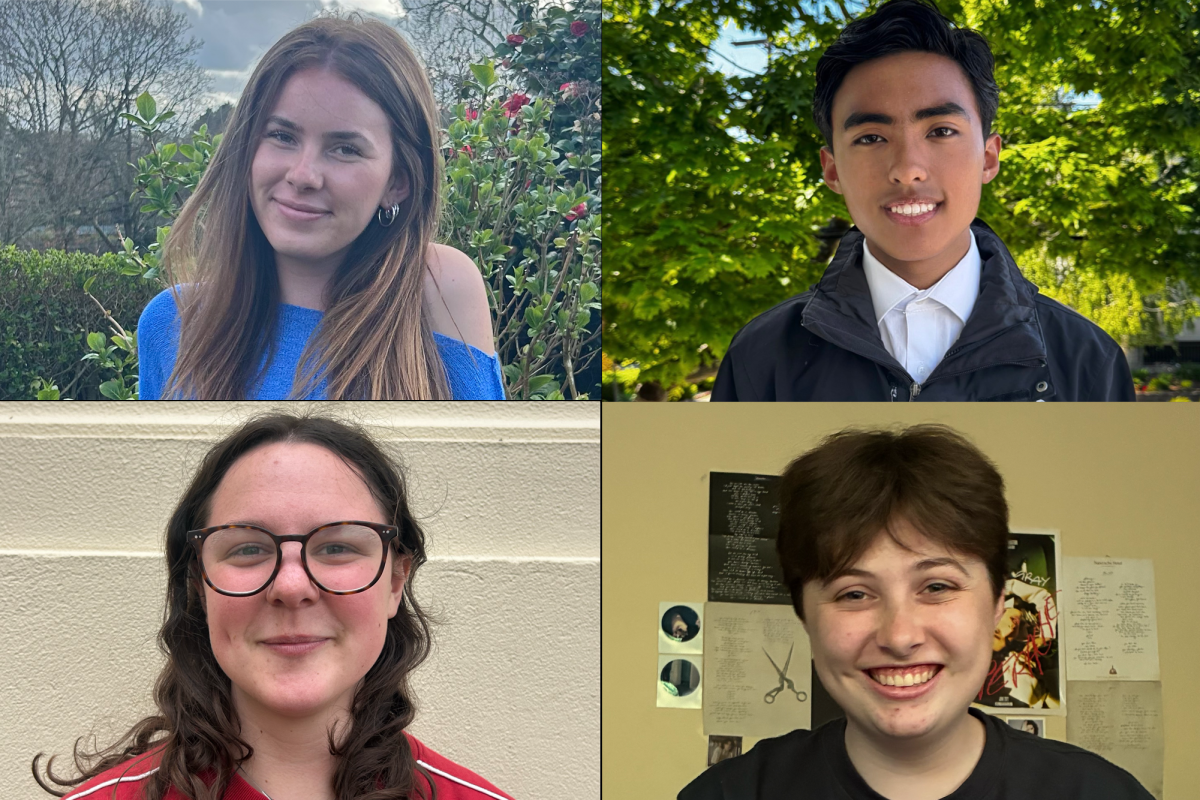
Intro to Ethnic Studies (ETHS) teacher Bailey Van Buren said she is in the “researching stage” of updating her curriculum. The ETHS department plans to focus on other UFW figures in their curriculum, such as co-founders Dolores Huerta and Larry Itliong.
“We already talked about a little Dolores Huerta [and] Larry Itliong, but we’re going to try to bring them up even more,” Van Buren said.
The course will cover the farmworkers movement later this spring. Van Buren added that the allegations of Chávez connect to changing historical narratives.
“With this new information that we get every day, all of the narratives are changing, and there’s always going to be counter-narratives that come to light that we need to learn about,” Van Buren said.
Advanced Placement United States History (APUSH) teacher Annie Miller echoed Van Buren’s approach to curriculum.
“It’s hard when a hero falls,” Miller said. “And so my first thought would be to make sure that we highlight other Latino and Latina activists that our students can see themselves in.”
According to Miller, Chávez’s tactics were important to the movement and will still be taught, but with an added “caveat.”
“It’s monstrous, absolute monstrous behavior, and we just can never, ever, ever talk about him again without addressing it,” Miller said.
Freshman student Sienna Geheran, who took ETHS in her first semester at Burlingame, said schools should include the allegations in their curriculum.
“It’s important to learn about what he did for the farmworkers, but it’s also important to learn about how he treated those girls, because that’s not okay,” Geheran said.
Senior Miles McCormick took APUSH in his junior year and connected Chávez’s allegations to Noam Chomsky, an anti-war activist who recently appeared in the Epstein files.
“That’s another position where you have to separate the ideas from the person itself,” McCormick said.
Miller said Chávez has had a lasting presence in her teaching career, but that she cannot teach him without acknowledging this part of his legacy.
“It’s just another story of being very, very careful as historians and as history teachers to not put these people up on pedestals,” Miller said. “Average, normal, even sometimes awful people can dedicate their lives to making a difference in our country.”