



































It’s time we start talking to people we don’t agree with.
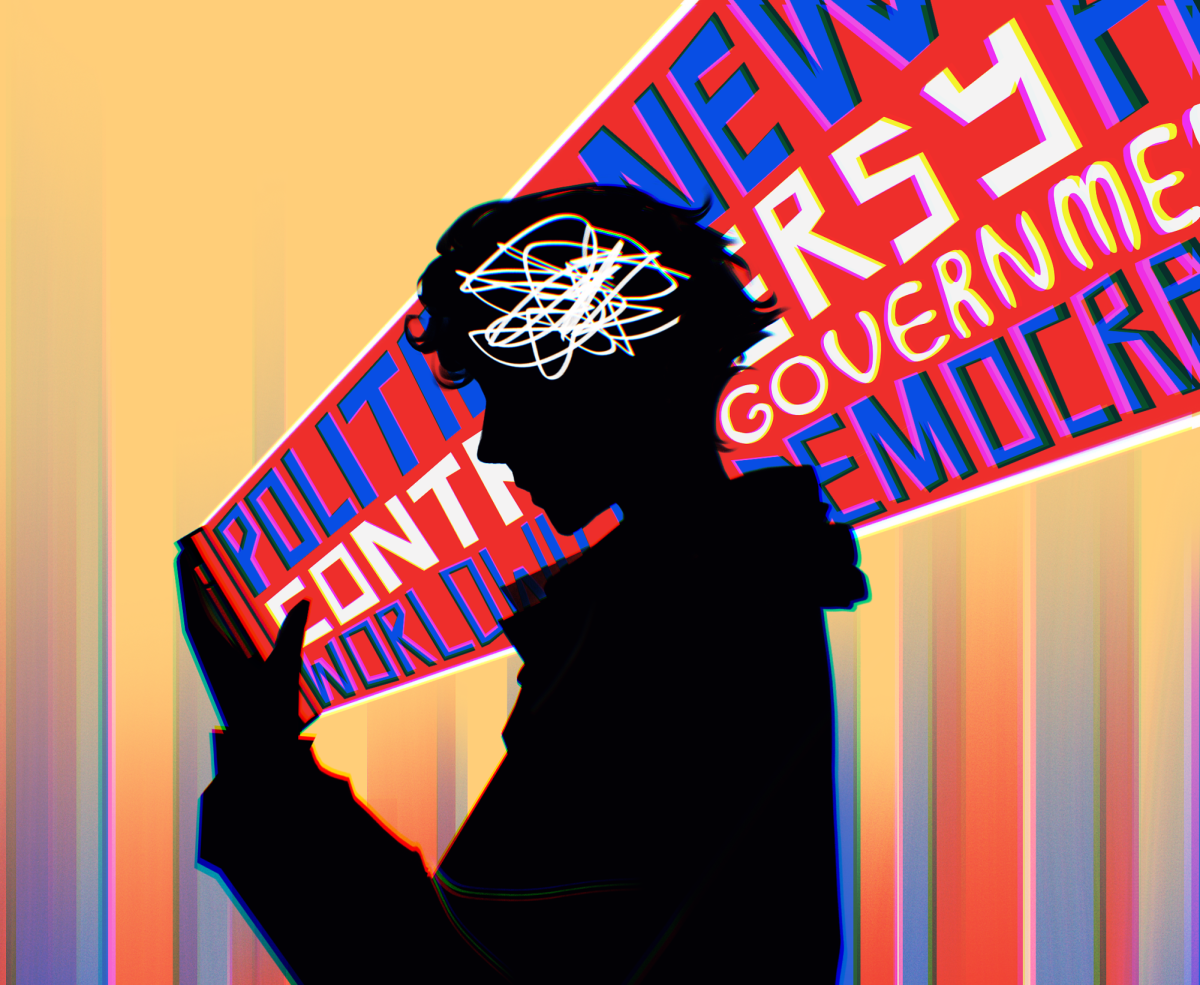
In recent years, we have seen a steady shift in the American public towards more radical beliefs, conspiracies, and opinions, as many stray further away from nonpartisan news sources and those with whom they disagree. As citizens — especially voters and those engaged in politics — isolate themselves from other viewpoints, our government becomes more partisan. People with more extreme beliefs, ideals, or policies can take power by appealing to one side of a divided public, promising to solve problems that people are scared or angry about, regardless of how real these problems may be.
The Decision Lab defines confirmation bias as the brain’s tendency to avoid cognitive dissonance, which is the uncomfortable feeling associated with encountering different ideas. This causes people to seek out others and media that support what they already believe. We don’t like having our beliefs, especially ones tied to our identity, such as political opinions or religious views, proven wrong. This prejudice can push someone to stay away from people and sources that don’t back up their beliefs.
Not only can confirmation bias cause a person to look for information that supports their existing beliefs, but it can also lead them to discredit contradicting sources and refuse to acknowledge evidence that supports the opposing side. For example, during the 2020 Presidential Election, some right-leaning news sources claimed the election was allegedly rigged or stolen by the Democrats, despite evidence to the contrary. As a result, in March 2021, months after the election, 29% of Americans believed the election was stolen by Democrats. Among people who trust Fox News, the number was even higher, with about 65% of Fox News viewers saying the election was stolen. Confirmation bias isn’t only a problem for Republican voters. According to the Pew Research Center, those who identify as liberal are also less likely to trust or consume news from a conservative-leaning news source, preferring a set list of left-leaning news outlets that tend to report more favorably on Democratic leaders and policies.
News corporations use this to their advantage. Companies use sensationalized stories to attract loyal viewership on their websites, even if the issues covered are exaggerated or untrue, such as Trump’s 2020 claims of election interference. Because many news organizations focus on stories that appeal to a certain audience, the media landscape is continually split along political lines, and few companies manage to appeal to both sides. According to the Pew Research Center, 48% of Democratic supporters regularly get news from CNN, versus only 20% of Republican supporters, and these statistics become even more polarizing with more partisan sources.
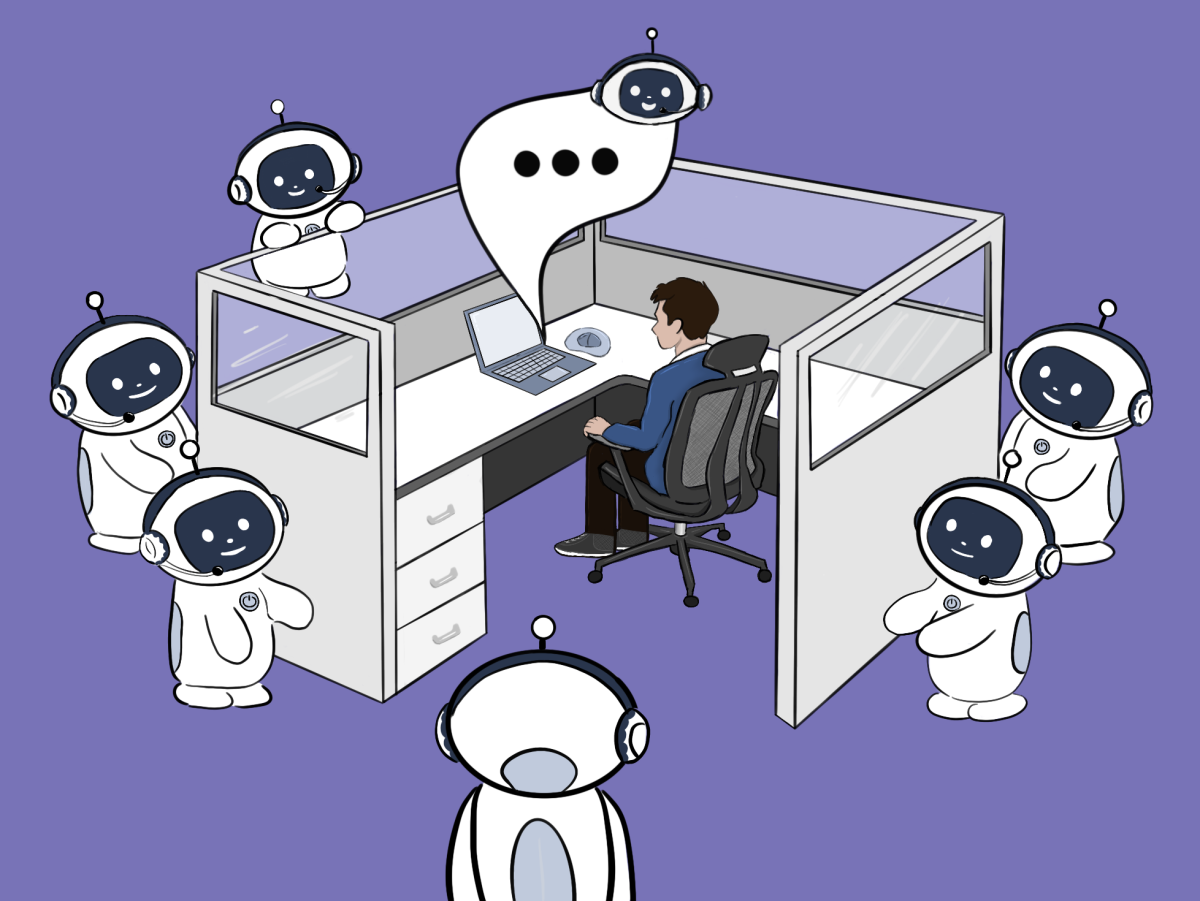
The same strategy can be seen on social media, where, according to Forbes, algorithms purposefully feed people content that encourages “finger pointing” between sides. Users are less likely to see content that promotes discussion and are instead pushed the same ideas they already incline to believe in. According to NPR, people on Facebook are unlikely to be shown content from the other side of the political spectrum, and there is little overlap in the news links algorithm selects for users.
Why is this dangerous?
Without exposure to differing perspectives and sources, we risk falling into an echo chamber, where we only hear ideas we already hold without being exposed to the opposing view. This pushes us away from the truth and prevents us from developing our own opinions about current and past events. Companies profit from this, as loyal supporters help them generate revenue and push ads to their users.
But it’s possible to avoid echo chambers. Suppose people purposefully seek out unbiased sources and engage in discussions with those they disagree with. In that case, we can form our own opinions and beliefs, which helps us to become a more informed and educated population.