
























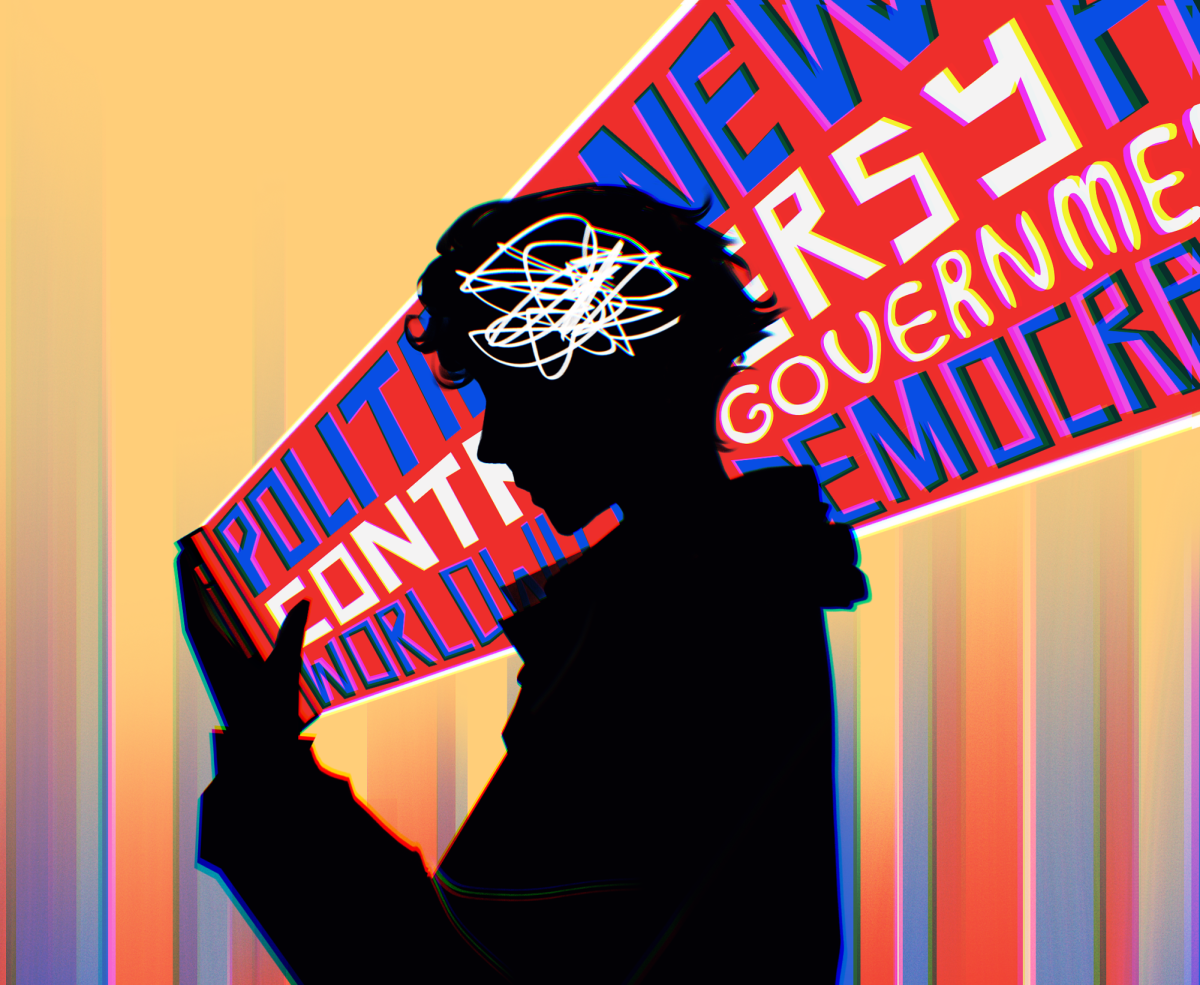
As soon as I wake up every day, I turn to my phone and spend five to 10 minutes looking at the news or social media. It has become my instinct to consume content the moment I wake up.
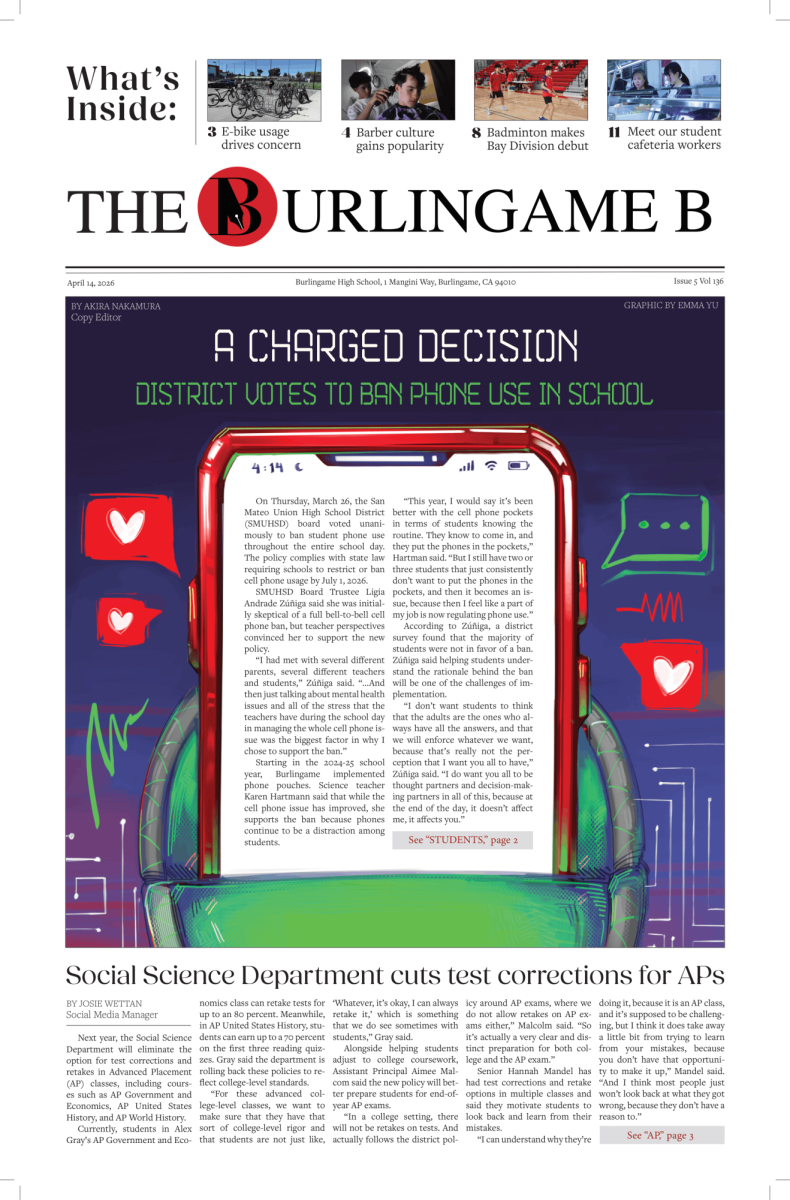
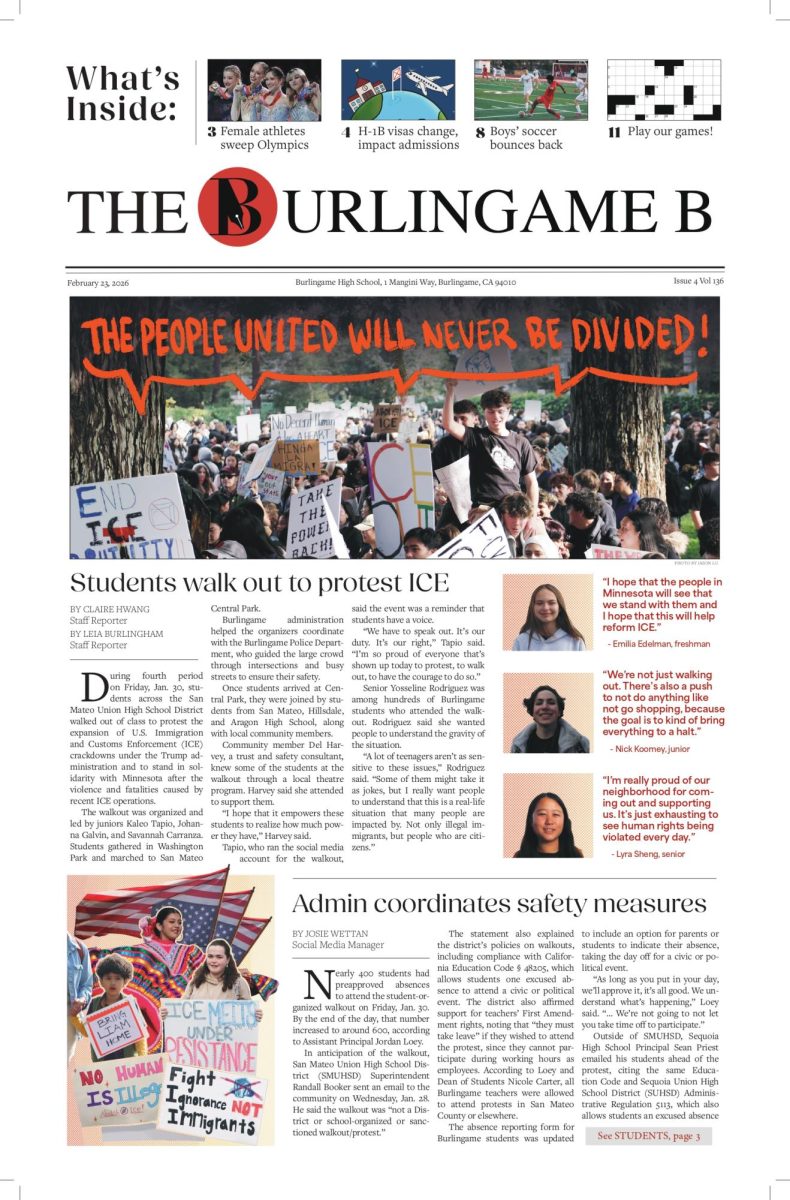
Rarely do I see or read anything new or groundbreaking. Normally, it’s just the same, often depressing, content I saw the day before. The news wears on me both physically and mentally. I feel more tired throughout the day, my mind racing about the problems going on in the country. I think about U.S. Immigration and Customs Enforcement (ICE) agents deporting young children like Liam Ramos and his father. I think about Shajarah Tayyebeh, the Iranian all-girls school allegedly bombed by American-Israeli forces. I think about the turbulence of Washington, D.C., and what politicians are arguing about today.
I’m tired of politics and bad news, but I can’t seem to look away.
I’m not alone in this. According to the Pew Research Center, almost two-thirds of Americans have reported experiencing “news fatigue,” a feeling of exhaustion while reading or thinking about the news. The 24-hour news cycle, in which news outlets report on events constantly, has made endless coverage the norm.
Constant coverage leads to a regurgitation of the same story throughout the day, but the need to stay informed leads people to keep watching or reading. The 24-hour news cycle is a small part of the larger “attention economy,” where companies compete for users’ attention to sell subscriptions, ads, and other services.
The attention economy raises a crucial question: Is constant information good for us?
The way we interact with the news and entertainment today is vastly different from 30 years ago. Before the internet and social media platforms, people got news from a select few newspapers, magazines, and TV channels once or twice a day for an hour. Now, we have the internet and a desire for constant stimulation, something that may be negatively affecting us. According to Gallup, around 29% of Americans have experienced depression at some point in their life, a 10% increase since 2015. This coincides with our transition to a more technological society that is constantly tuned in. According to the National Institute of Health, high screen time is correlated with depression, showing that the recent growth in depression rates could be linked to a higher societal screen time.
Today’s divisive nature of politics, especially since the 2016 election, has worsened news fatigue. Americans have grown more concerned about politics and social issues as a whole and are more in tune with the news. When people are passionate, especially if they are angry, about an issue, they check the news more, looking to stay informed of any changes. This passion is profitable for news corporations, as the more users looking at their site, the more ads they can sell, increasing their revenue. This gives companies the incentive to push sensational stories on people, looking to soak up as much attention as they can.
The mental health effects of news fatigue are not the only danger. It also pushes us away from the important stories and topics worthy of our attention. With the constant repetition of the same heavy stories to keep us engaged, we end up missing out on coverage we should care about. If people are overstimulated and constantly fed information, they are less likely to look at the whole picture. But news fatigue is avoidable if you consume news the right way.
To avoid sensationalist news and biased sources, it’s important to check how multiple news sources cover the same event. For example, if you want news about a key issue in Congress, look at sources like CNN (which leans left) and The Wall Street Journal (which leans right) together to get different perspectives, rather than relying on one or the other. You can also use organizations like Ground News, which provide a bias checker for each media corporation, to find out where the truth lies without bias. The benefit of diversifying your news sources is seeing the story from both sides, reducing the feeling of being on one side or the other.
The other option is simply to limit the amount of information you consume daily. Set a screen time allowance, check the news once a day for a set amount of time, and try to avoid doom-scrolling.
Most of all, I urge you to think about the nuance in the stories you consume, instead of just seeing them from only one perspective.