





















“If journalists are silenced, citizens are blinded.”
Journalist Don Lemon posted this message after he was arrested on charges of conspiracy to deprive rights and interfering with religious freedoms, stemming from his coverage of an Immigration and Customs Enforcement (ICE) protest at a church in St. Paul, Minnesota. Lemon’s case highlights a wider problem in the United States: press freedom is under attack.
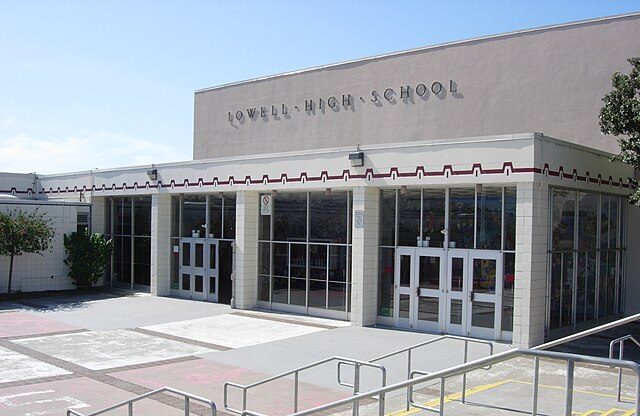
This happened mere days after the San Francisco District Court ordered Lowell High School to reinstate journalism adviser Eric Gustafson, who won a lawsuit against the school after being reassigned for what the school called the “declining quality of the newspaper.” The judge ruled the school violated California Education Code §48907 and the Journalism Teacher Protection Act, finding Gustafson was reassigned for protecting his student journalists’ freedom of expression.
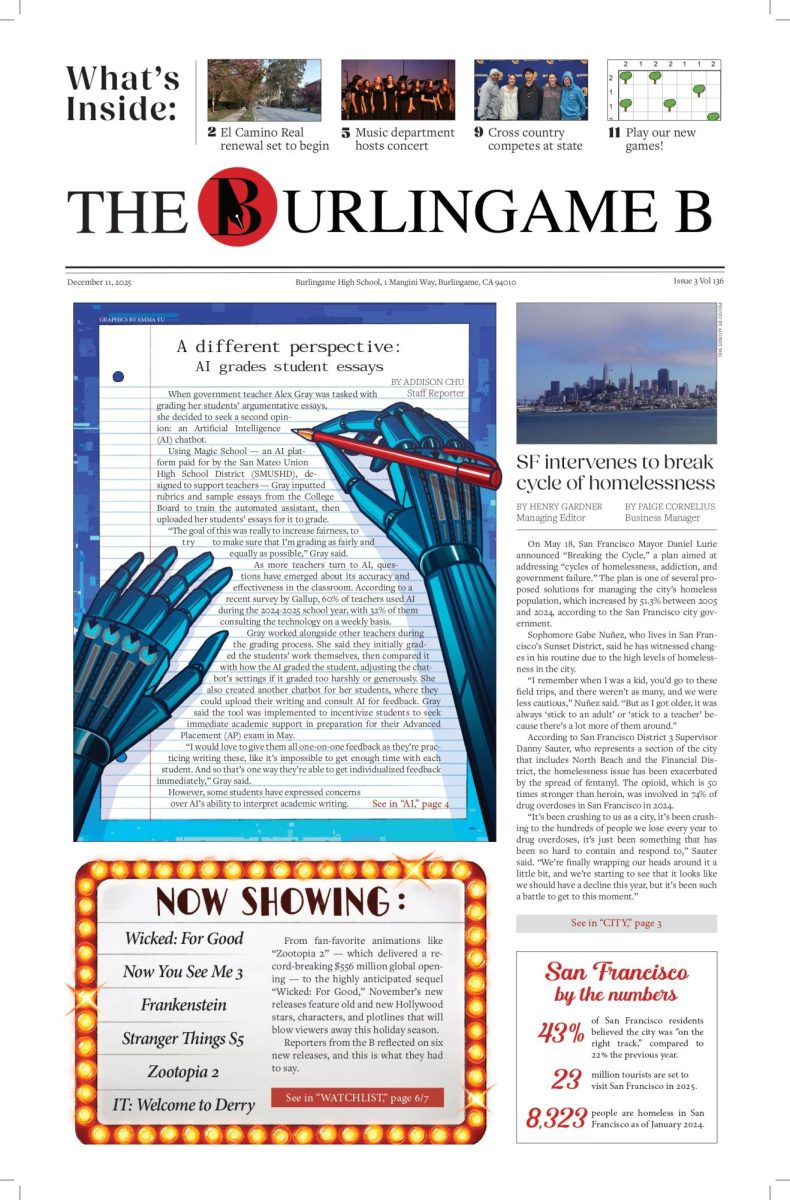
According to the Student Press Law Center, one of the articles that drew the attention of the Lowell administration was about the use of AI grading, a topic The Burlingame B covered in its December issue. At The Burlingame B, we have the privilege of publishing content without censorship. However, we must recognize that many student papers and national journalists do not fully exercise that right.
California falls under the standard set by Tinker v. Des Moines (1969), establishing that students do not lose their press freedom rights “at the schoolhouse gate.” However, 32 states are under the precedent set by Hazelwood School District v. Kuhlmeier (1988), allowing schools to censor school media if it relates to “legitimate pedagogical concerns”.
While Gustafson won his lawsuit thanks to the Tinker standard, student newspapers in Hazelwood states across the country have and will continue to face similar challenges from school administrators, which may have vastly different results.
From the Muckrakers to the Watergate Scandal, the United States has always been a safe space for journalists. Press freedom is not only written into our constitution, but is ingrained in our national identity.
However, the United States now ranks 57th in the world on the Reporters Without Borders World Press Freedom Index, placing us between Sierra Leone and Gambia. In 2013, the United States ranked 29th, a drop of 28 places in 13 years. Other developed nations, such as Canada and the Netherlands, rank 21st and 3rd, respectively.
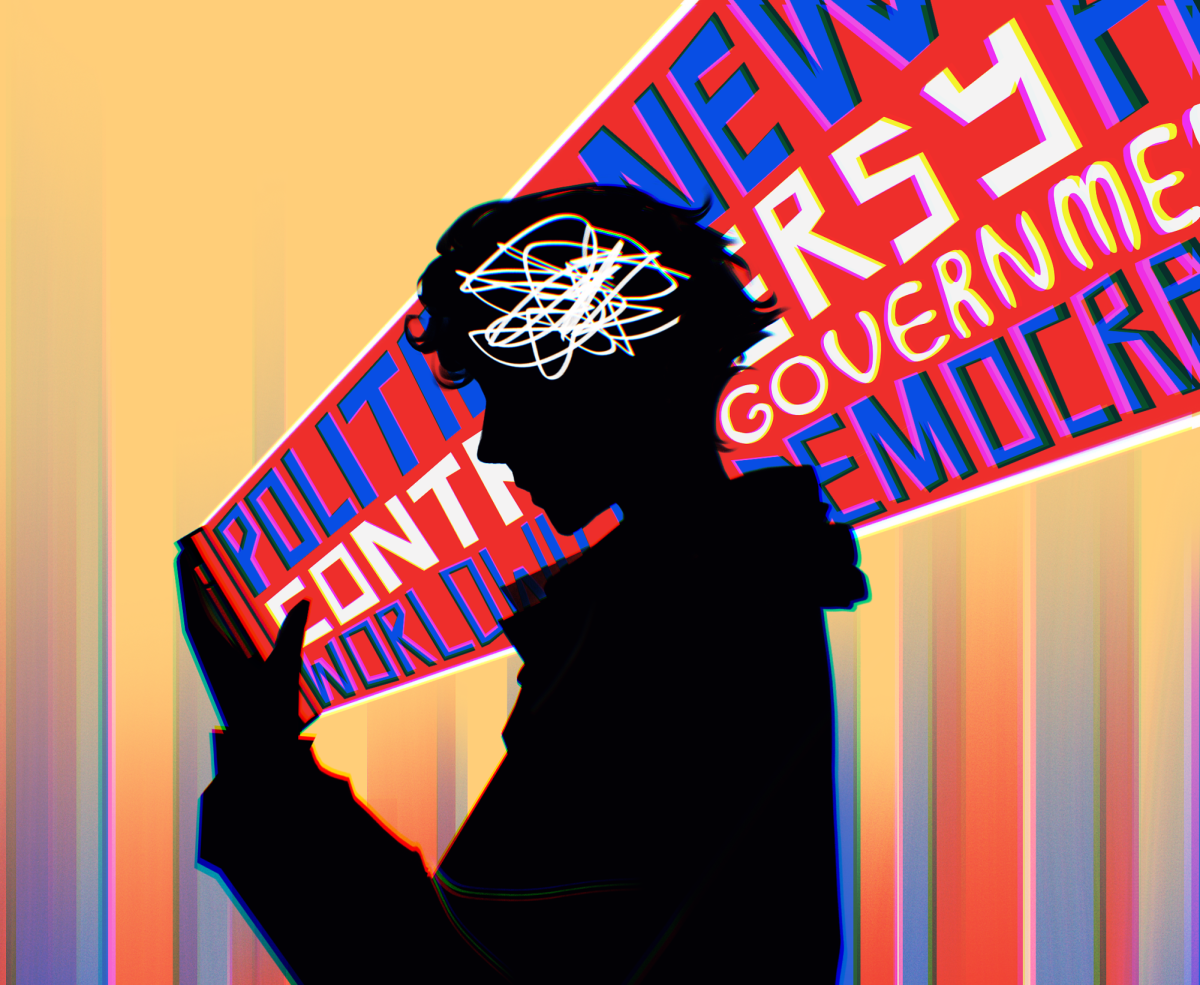
Censorship is inexcusable at any level, whether it affects a high school journalist or well-known media personalities. The press acts as a crucial watchdog, exposing scandals within the government and private organizations. If we allow censorship, we lose touch with what it means to be American and pave the way for further restrictions on press freedom.