




















Is the book always better than the movie?
According to a survey promoted by CBS, it usually is, with 67% of people preferring the book to its movie adaptation. While I personally believe book-to-movie adaptations can be enjoyable, I see why many prefer that their favorite books remain in their original form, as poorly-made adaptations often ruin the charm of the source material. However, the rise in movie adaptations this year alone shows how much audiences want to see the stories they read come to life. Even though they can be disappointing, there is no denying that there is still a large audience for book-to-movie adaptations.
In the early 2010s, films based on young adult novels such as “The Fault in Our Stars” and “The Maze Runner” series popularized the concept of book-to-movie adaptations. Later, “The Hunger Games” franchise highlighted just how much payoff these adaptations could have: the five films, based on Suzanne Collins’ books, grossed over $1.6 million. Due to this popularity and box-office success, movie studios recognized that pre-established intellectual property is a huge draw to audiences. In fact, 63% of audiences are more likely to see a movie if it is based on a successful book, according to a survey by Talker News. For many fans, seeing a movie based on a book they already know garners some degree of guaranteed satisfaction.
In my opinion, adaptations are more successful and of higher quality when movie studios have more faith in them and provide larger budgets. Studios should invest in these adaptations and make them a staple of cinema. When done right, they can be incredibly successful.
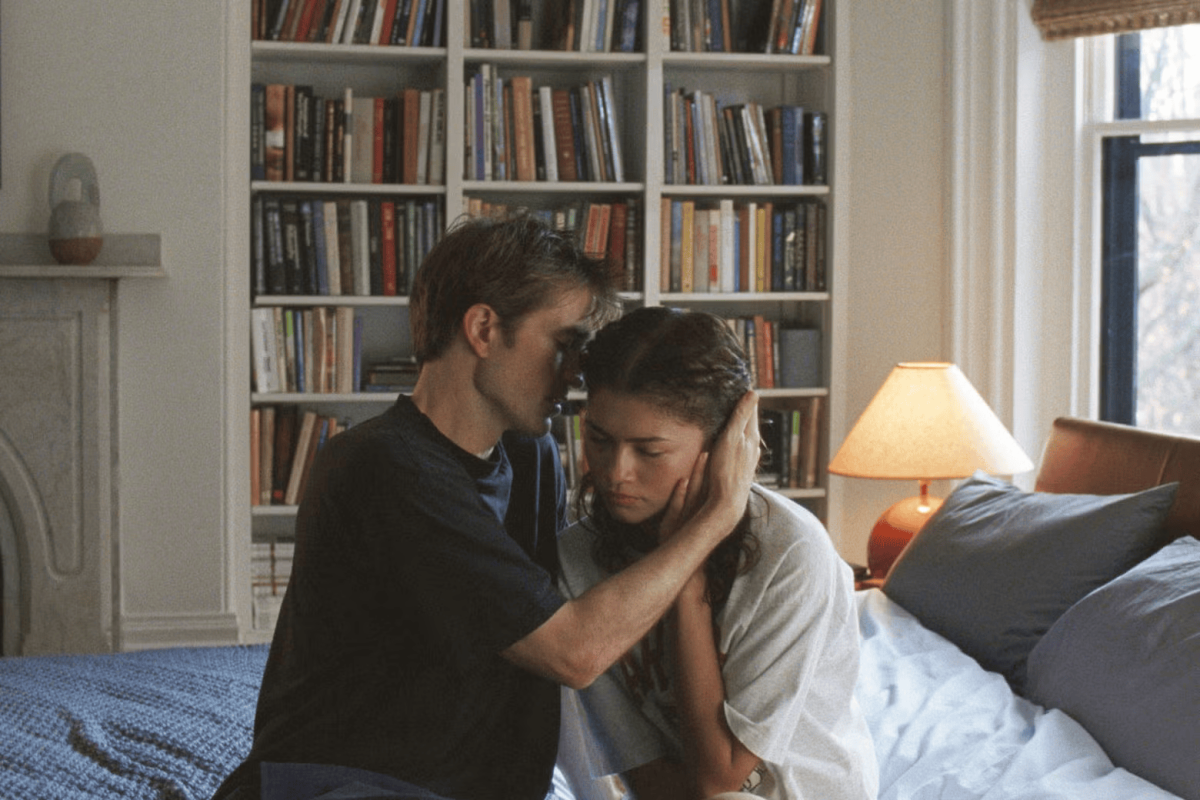
Still, there are risks to creating movie adaptations because of high expectations from pre-existing fan bases. For example, the upcoming release of “Wuthering Heights,” starring Margot Robbie and Jacob Elordi, has caused controversy by straying from the themes of the original novel. Even before its Feb. 13 release, the film had already faced months of criticism over its costuming and casting choices. However, this is not uncommon. Both adaptations of “The Housemaid” and “People We Meet on Vacation,” released earlier this year, received criticisms despite being enjoyable pieces of media. I understand that most fans want to see a picture-perfect adaptation of their favorite books; however, it is nearly impossible for that standard to be achieved.
Book fans need to accept that book-to-movie adaptations are becoming a staple of cinema, and rather than nitpicking every small detail, they should appreciate the new audiences their beloved stories can reach.